Peter Dowdall: Christmas trees benefit gardens all year round

Don't regard it as a piece of rubbish: Your Christmas tree can bring value to your garden long after the festive season, says Peter Dowdall. Pictures: iStock
Before you drop your Christmas tree to the local civic amenity site for chipping you might want to know that it offers value to your own garden.
You could leave it standing up in a corner somewhere to act as a place of refuge for birds that may be visiting your feeders in the garden and then after a few months you can dispose of it.
However, if that sounds a bit too untidy for you, whatever comes from the soil can go back to the soil. I’m glad that so many of the local authorities in Ireland now take back Christmas trees, chip and compost them and then add the soil to public planting areas but it may be suitable for you to do something similar.
Firstly, if you have a garden shredder, then you can do this job yourself and in return, you will have a nice wheelbarrow full of woodchip which can be used as mulch or added to the compost bin. Even if you don’t have a garden shredder, you could just cut off the pine branches and lie them on the soil where they will act as mulch and break down over time.
The smaller you cut them then the quicker they will break down. The trunk can then be dropped off for chipping or if you have an area in the garden where it can be cut and left to break down naturally, so much the better.
CLIMATE & SUSTAINABILITY HUB
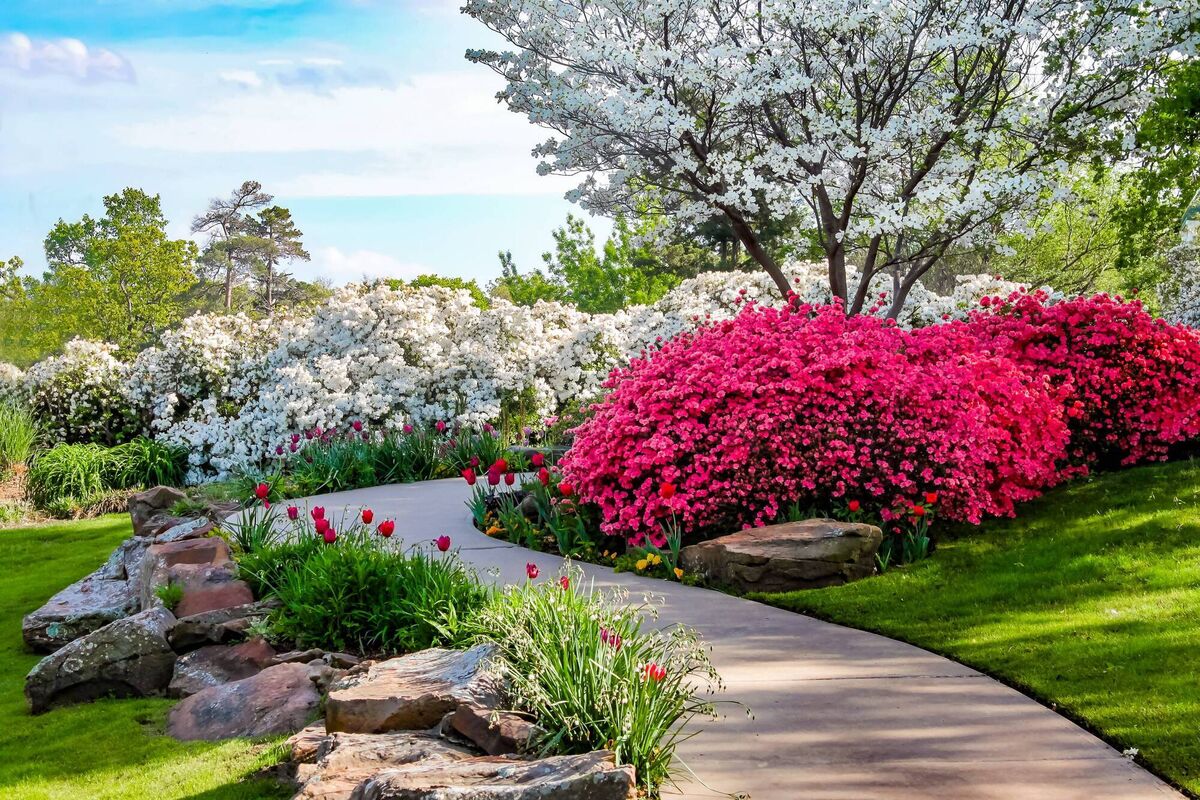
If you have a camellia, rhododendron, azalea, pieris, magnolia or any other acid-loving plant then it will benefit hugely from this mulching or compost made from the chippings as this will be of low pH which is exactly what these plants want and it is so much better to reduce the pH in this way rather than chemical plant food, as you are not just making the soil more acidic but you are also adding bulk and humus, thus improving the soil structure and promoting soil microbes, beneficial bacteria and fungi.
Like everything in the garden, the results aren’t instant. If you have a camellia or similar with anaemic-looking leaves, which is showing signs of iron deficiency, then reducing the pH of the soil will help and adding pine needles and composted Christmas trees is a brilliant way to do this — but don’t expect the leaves to darken to a rich green overnight, it will take time.
Holly and conifer wreaths can also be composted but unfortunately, so many of them contain lots of uncompostable materials. If the base is made of florist foam, then it cannot be composted and so too, there may be plastic ribbon or decorations used which of course cannot become soil.
I’m nowhere near expert enough to make my own wreath and so I bought mine at a garden centre and I nearly fell over when I saw that because they didn’t have berried holly, whoever had made it had used plastic berries instead. Is it just me or can they not see that it would look and be far more beautiful if just made with foliage and no plastic?
Florists and garden centres, please take note, there are many compostable or reusable options available for bases, made from rattan, wood or straw. It is also infuriating to have to remove the plastic-coated wire from the wreath, before composting the foliage. Nothing for it, I’ll have to make my own next year. Not sure how it will turn out though as the last time I made one, I reckon, I was in primary school.
As we assign Christmas to the compost bin, the worm continues to turn, and we head towards another spring with all the magic and promise that comes with that season. Already the first of the snowdrops and the earliest daffodils are opening up into flower to herald the new season.
I can see later-flowering bulbs poking their noses through the soil surface and just seeing this life emerge once more gives me and every gardener such a thrill. Non-gardeners won’t get it! Back-breaking work done last autumn planting bulbs — such a thankless task at the time — will soon pay rich dividends as they burst into bloom and by now, last year's Christmas trimmings should be a fine, crumbly compost, suitable for spreading around the bulbs and any other plants in the garden and the circle continues.
If you didn’t get around to planting bulbs last autumn and perhaps you still have some packets in a shed, then plant them now. They won’t keep till next year. Provided the bulbs are still firm and not soft and rotting, then they will grow away and flower albeit probably later than they should.

- Got a gardening question for Peter Dowdall? Email gardenquestions@examiner.ie
CONNECT WITH US TODAY



Be the first to know the latest news and updates