Peter Dowdall: Why comfrey is your garden's wonder plant 
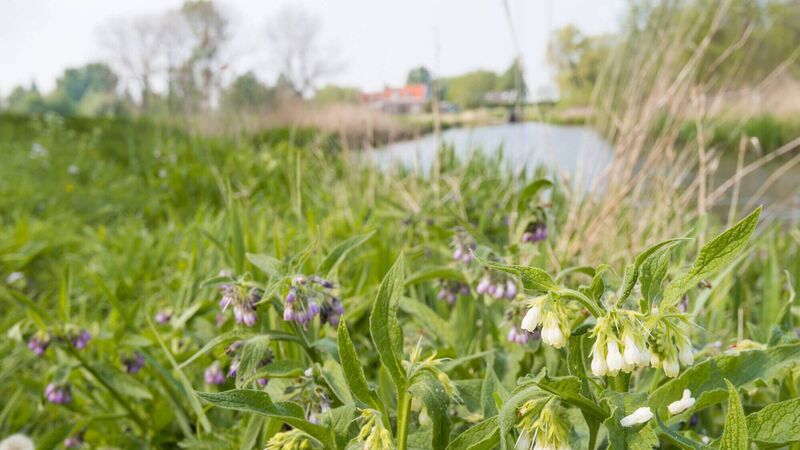
If you grow comfrey, you will have a ready supply of ingredients for high-nitrogen plant food 
Peter Dowdall: Why comfrey is your garden's wonder plant 

Comfrey is used as a plant food and herbal remedy, and its flowers are loved by bees. Pictures: iStock

It starts off as an unassuming-looking plant, but before long one small symphytum will have colonised a large part of the garden, pushing other, weaker inhabitants out of its way.

Don’t let this put you off choosing it, though. Better known to you and me as comfrey, symphytum is a wonder plant. It takes nutrients from the soil and then stores them in its leaves.

Roots of comfrey can reach over 2m deep in the soil and it is known as a dynamic accumulator for its ability to extract macro- and micro-nutrients and retain them in its foliage.

What this means to us in the garden is that if you grow comfrey, then you have a ready supply of the ingredients to make fantastic, high-nitrogen plant food.

I would suggest containing comfrey plants by growing them in a self-contained raised bed or similar area, for as you can imagine if their roots can reach over 2m deep, it will be difficult if not impossible to remove the plants should you want to.

Simply let the pant grow away, and harvest the leaves a few times a year. Fill a bucket with the leaves and then fill it with water, ideally rainwater and there is no shortage of that at the moment. Let the mixture sit for a few weeks and then dilute at the rate of about 10 parts water to one part comfrey tea.

Use gloves when harvesting and cutting the leaves as the hairs on the foliage can cause skin irritations to some and make sure you let this mixture sit outside and not in a greenhouse or polytunnel as the smell is not pleasant.
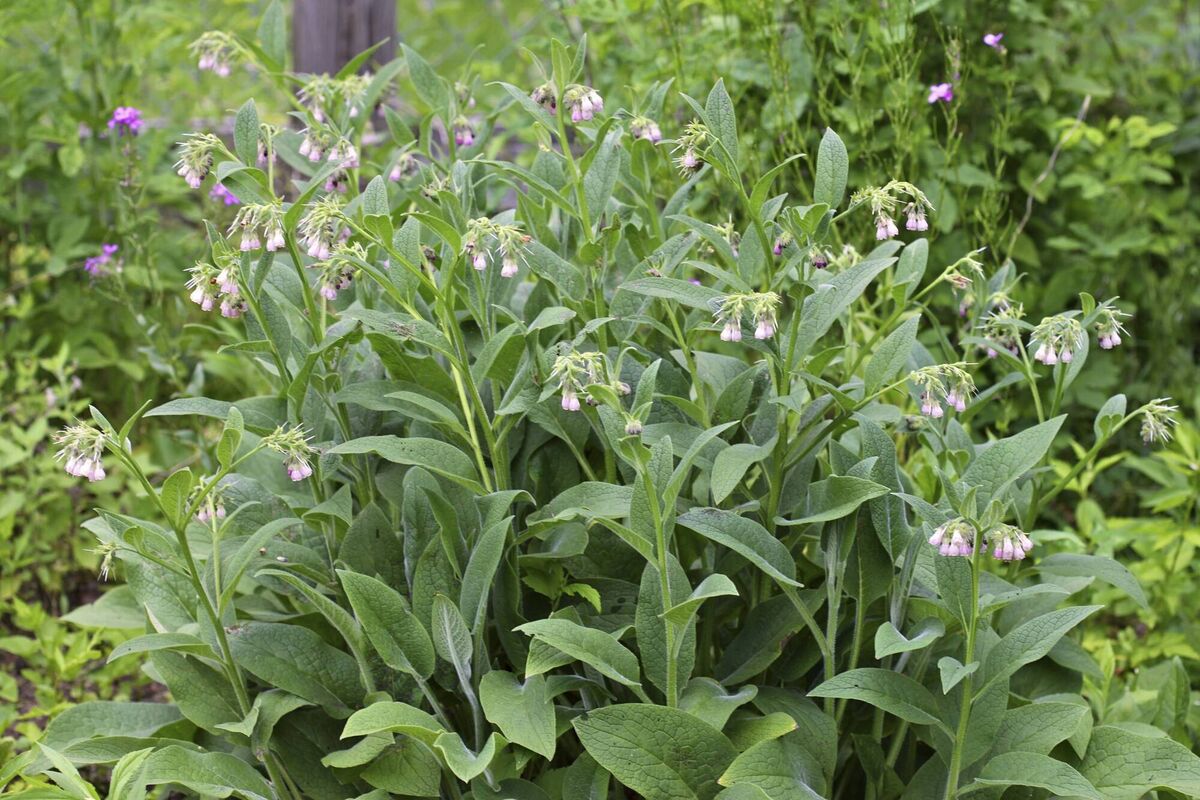

The common comfrey, Symphytum officinale, is a wildflower in Ireland.

You could also fill a hessian bag with the leaves and sit this into the bucket of water. This may be a better idea if you are doing this later in the season as it will reduce the likelihood of any seeds wandering with the mixture as you feed.

Once the leaves have been soaking for a few weeks, add them to the compost bin as they will act as a compost accelerator. Fresh leaves are perhaps better at this task as the nutrients have not been leached out into the tea.

It’s better to make the tea in small amounts and often as its strength begins to deplete if left sitting in the bucket for too long, so have a few buckets on the go all the time.

This homemade plant food is particularly rich in nitrogen, potassium and phosphorous, the three key nutrients needed for healthy plant growth, flower and fruit production.

As it is homemade and provided that you don’t use any chemicals in the garden, this comfrey tea will make an ideal, organic plant food around vegetables and other edible plants as well as ornamental beauties.

The common comfrey, Symphytum officinale, is a wildflower in Ireland, perhaps native but possibly introduced somewhere along the line. It is an
an attractive plant in the wild growing to about 1.5m in height with oval-shaped, hairy leaves and cream-
coloured flowers during the summer.

Symphytum x uplandicum, the Russian comfrey, also referred to as bocking 14 comfrey, is probably the best one to grow in a domestic garden as it produces flowers which don’t set seed and thus you won’t have comfrey popping up in all parts of your garden, wonderful and all as it is, it does have a tendency to make itself too much at home.

The flowers are very beneficial to bees and other pollinating insects during the summer and it has myriad herbal benefits outside the garden as it has been used for years to help heal wounds, accelerate healing, reduce inflammation, pain relief and as an astringent.

As ever, if you intend to use any herbal remedy, it is essential to get advice first from a doctor or qualified medical herbalist.

Comfrey grows well in most soil types, either clay, sandy or loamy. It prefers slightly acidic soil with a pH of seven or lower.

It is extremely drought-tolerant, thanks in part to its tap root and also to the hairs on the leaves. As I’m sure you can guess from my warnings, it is easy to propagate. The common or wild comfrey will spread by seed but the Russian or bocking 14 comfrey does not produce seed but can be grown very easily from divisions. Simply lift and divide an established plant over the winter and early spring, cut the clump with a spade or sharp knife and you will be able to grow each of the divisions as individual new plants.


x

More in this section

Revoiced

Newsletter

Sign up to the best reads of the week from irishexaminer.com selected just for you.

Cookie Policy Privacy Policy Brand Safety FAQ Help Contact Us Terms and Conditions

© Examiner Echo Group Limited