Peter Dowdall: 'Queen Elizabeth always seemed happy and at peace in the garden'
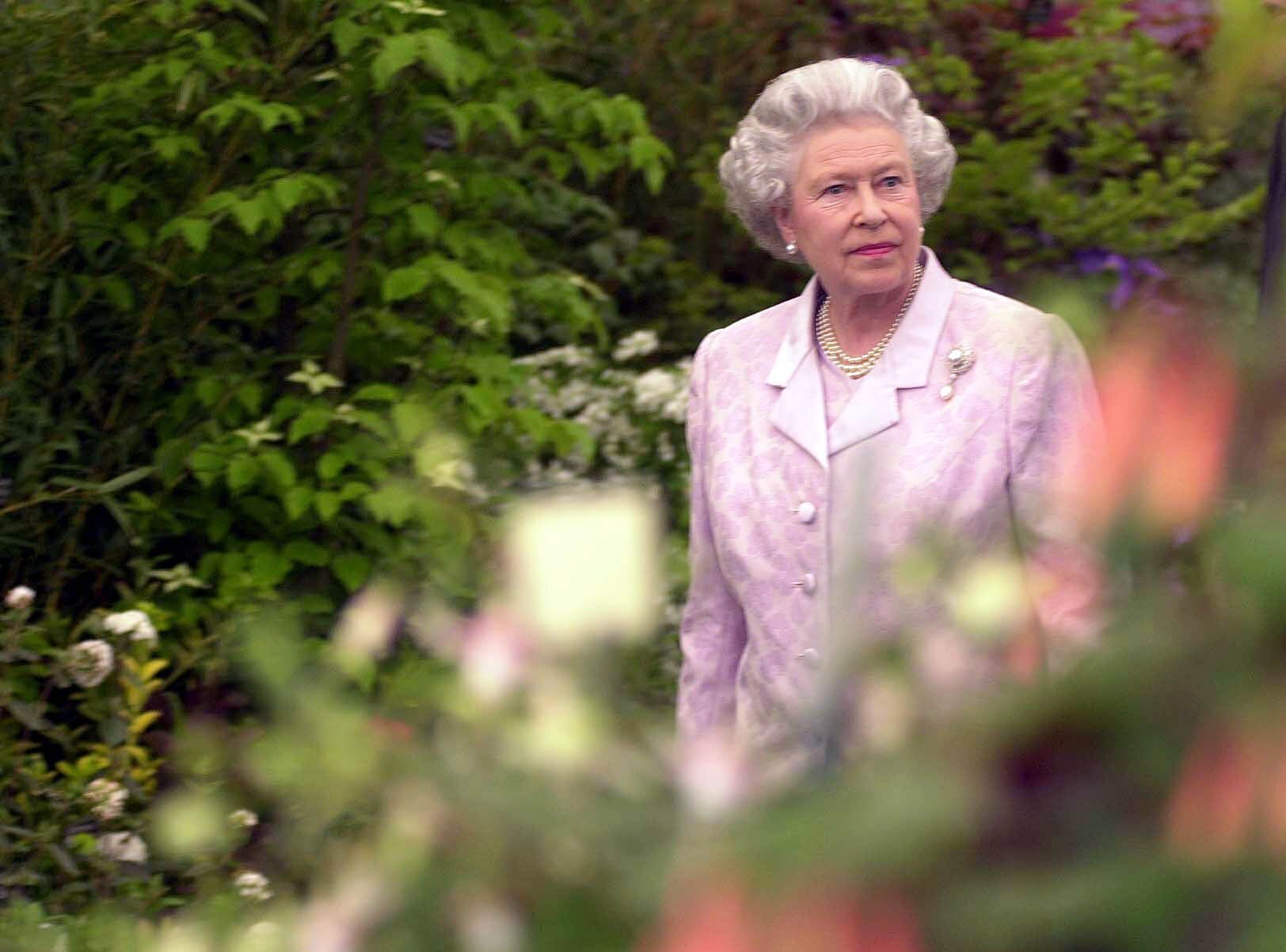
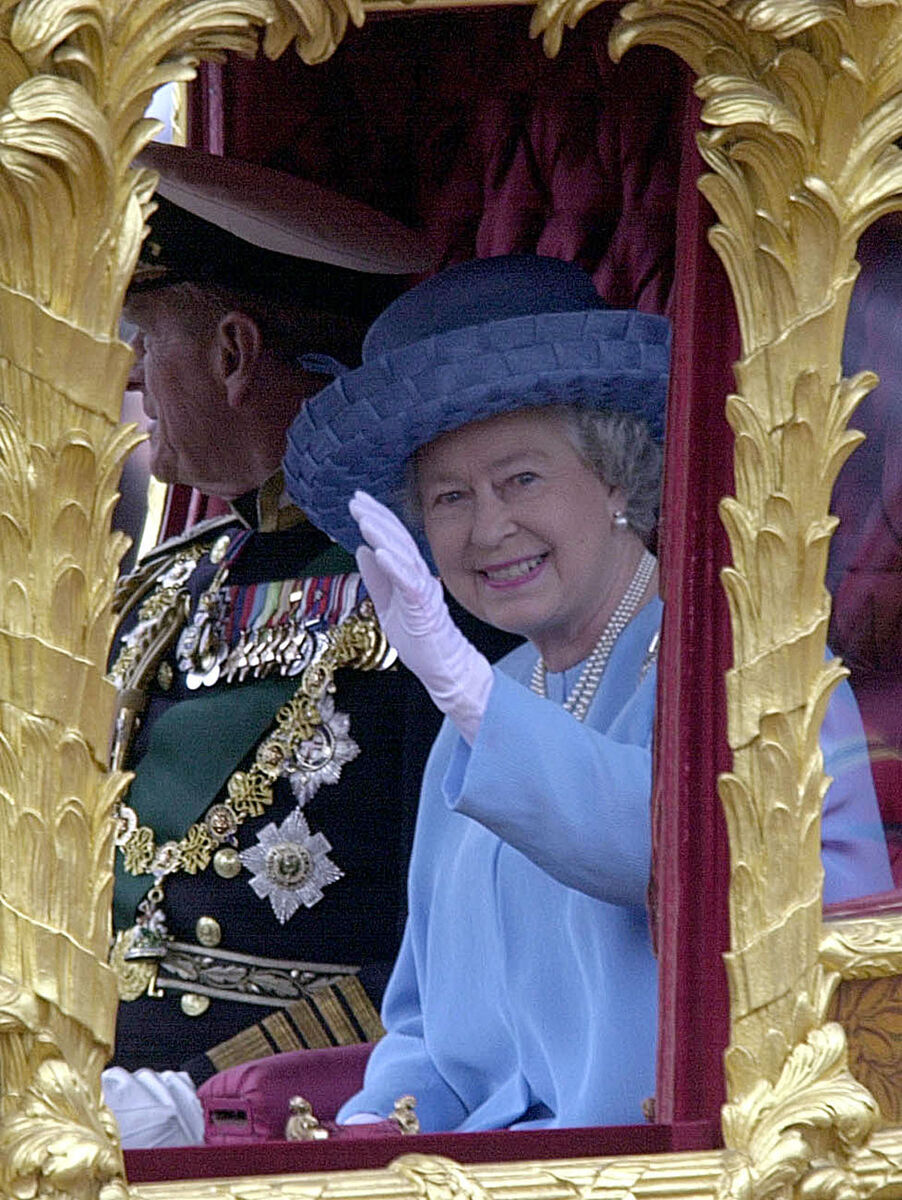
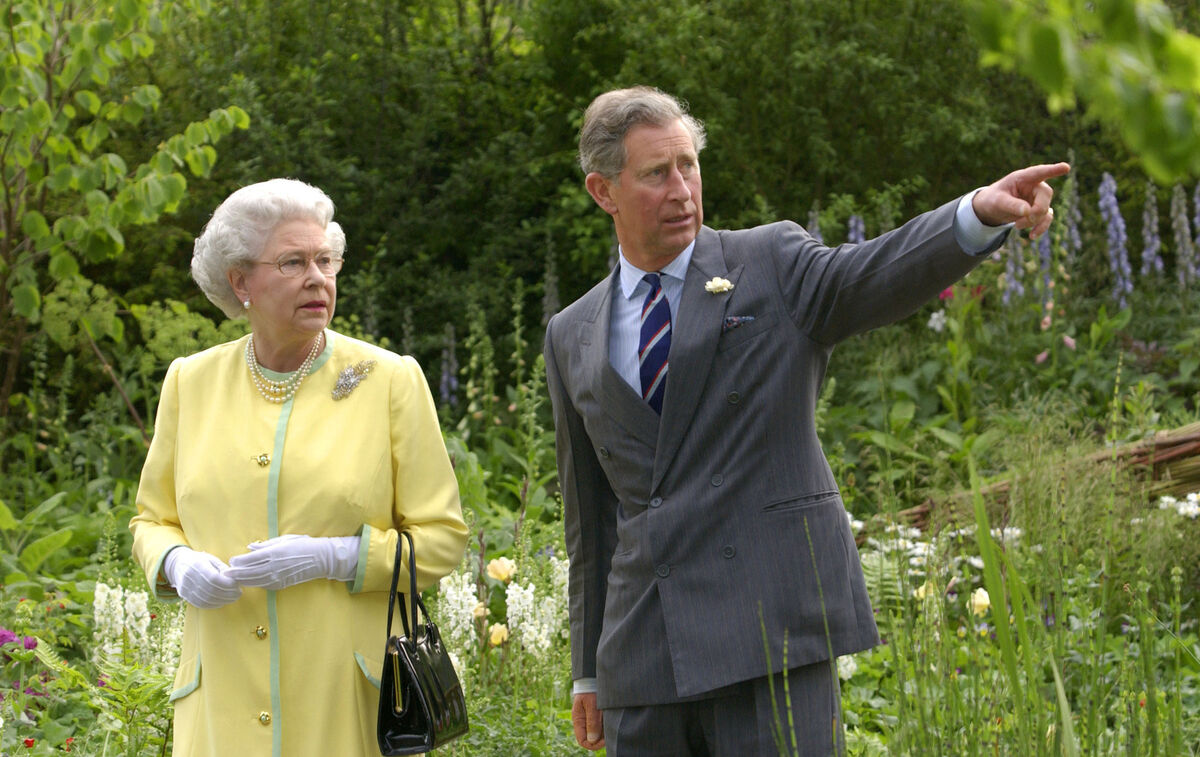
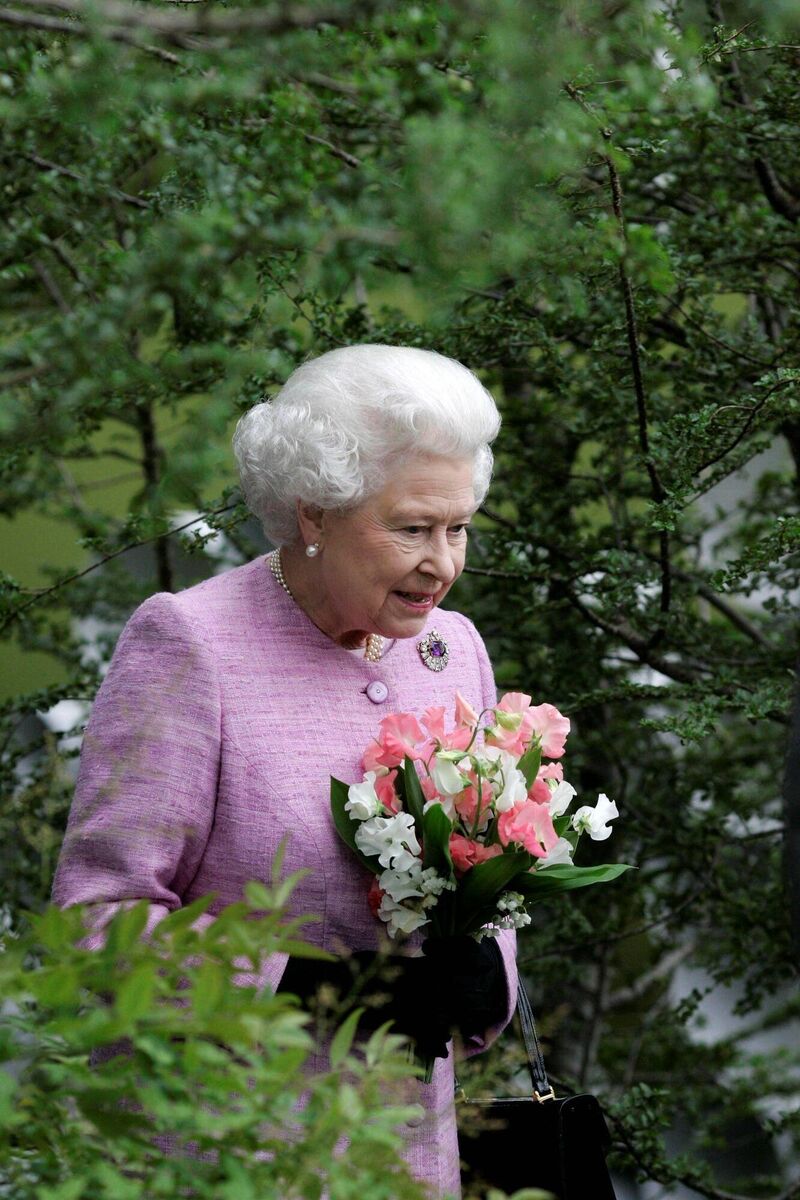
Britain's Queen Elizabeth II during her visit to the Chelsea Flower Show in London in May 2000. Picture: Stefan Rousseau/PA

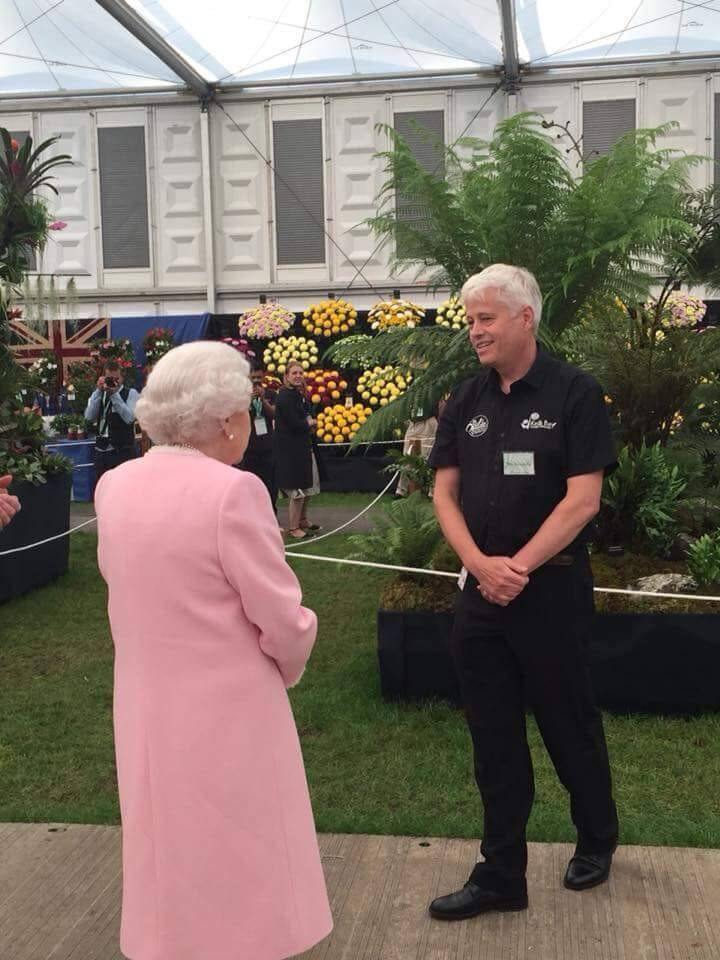
She was a lady with an innate understanding of and respect for the natural world. She liked to surround herself in nature and her trip to the RHS Chelsea Flower Show seemed to delight her each May.
Queen Elizabeth always seemed happy and at peace in the garden.
The Queen's Commonwealth Canopy was launched 2015. It presents a unique opportunity to unite the UK's Commonwealth family and save one of the world's most important natural habitats, our forests by creating a pan-Commonwealth network of forest conservation projects across all 56 Commonwealth countries.
A great legacy indeed.
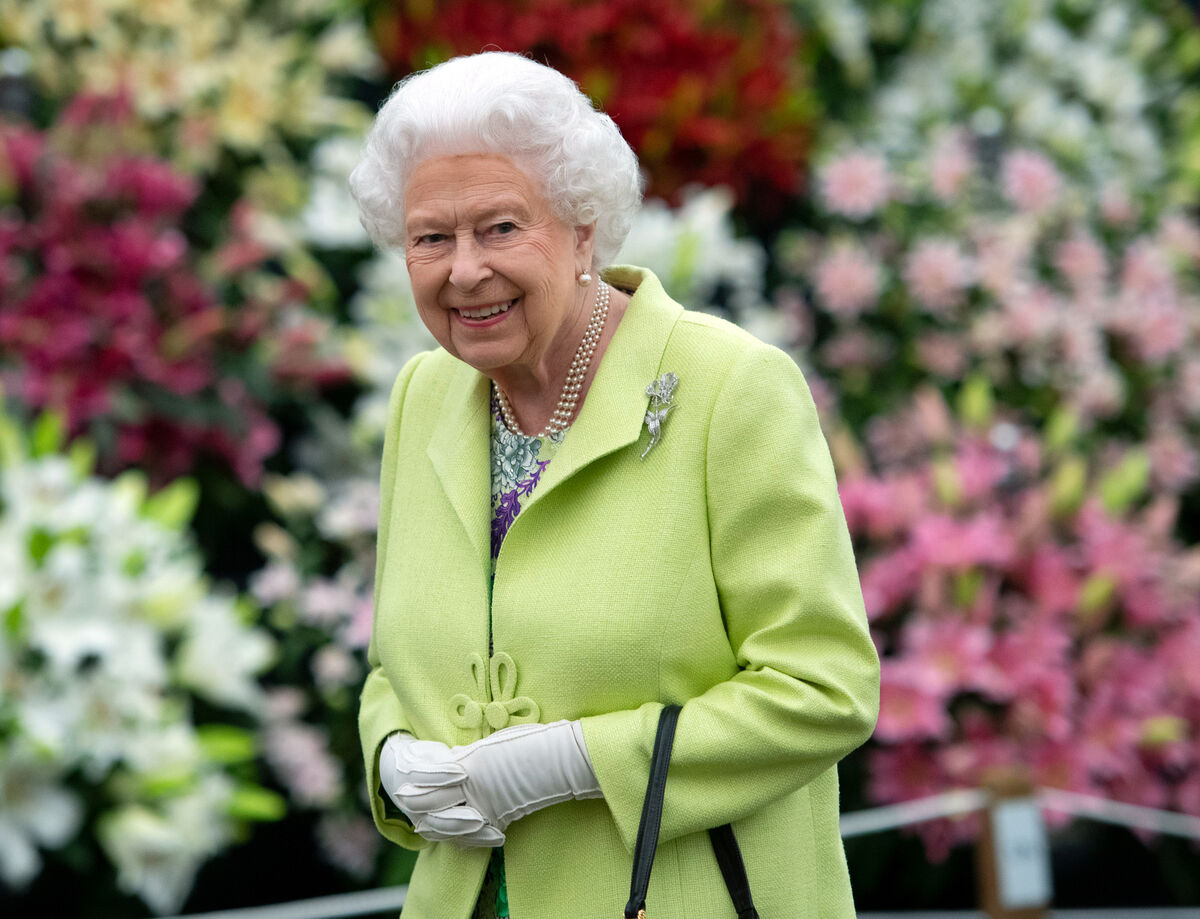
But, on a much more individual level, her love for the grounds of Balmoral where she planted trees to mark the birth of her children and her deep appreciation for the place, illustrate a lady who understood the importance of the green environment.
Perhaps this is where her legacy may be even greater, for she clearly passed on this respect and understanding to her children and grandchildren, and now someone who has been one of the most outspoken world figures on climate change and the desecration of the natural world is the king of England.
According to King Charles, speaking at COP26: “Nature is our best teacher."
I believe that Queen Elizabeth’s favourite flower was lily of the valley — and what a beautiful, cheerful little plant it is.
Botanically known as Convallaria majalis, this low-growing perennial will only grow from 10cm to a maximum height of 25cm.
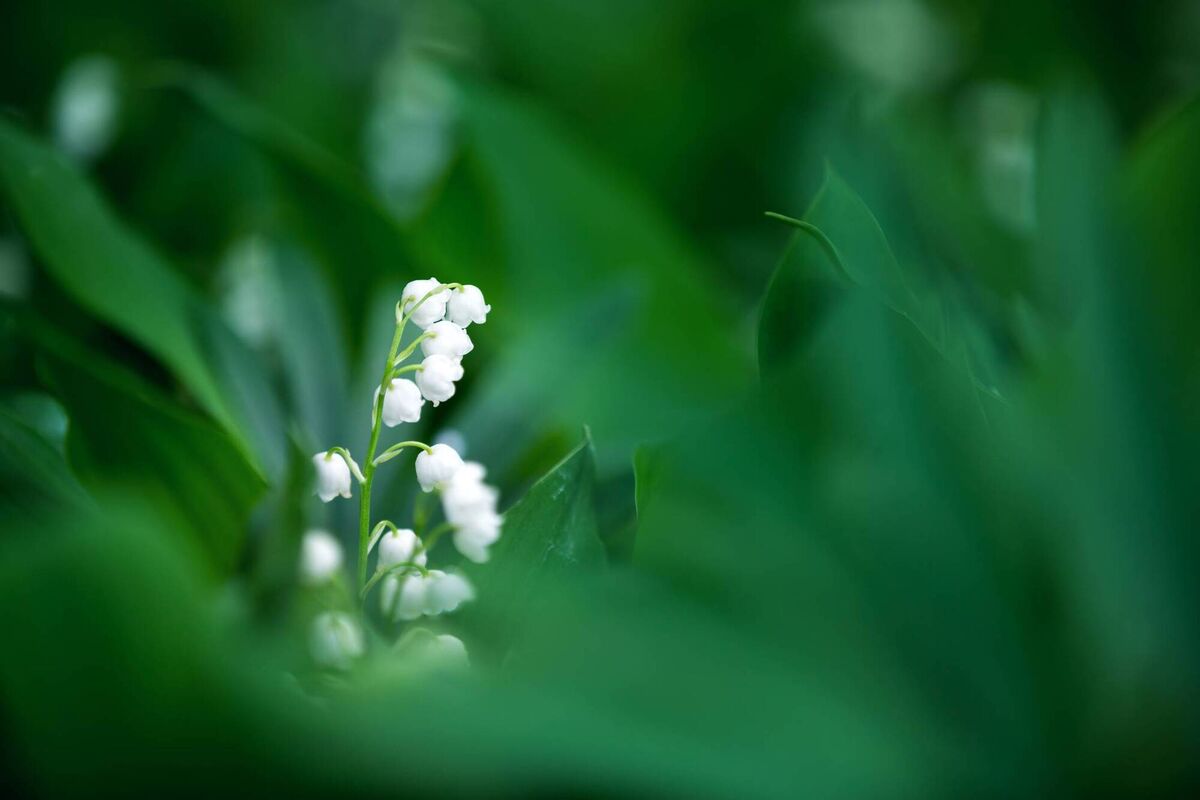
It should be an easy plant to grow as it will thrive in both acid and alkaline soils, tolerating full and partial shade. It does like a moist and humus-rich soil and clumps up easily.
Except for south-facing in full sun, lily of the valley will grow in any other aspect.
I say “it should be easy”, as I have found it can be a difficult plant to establish. Once you do manage to get it established, it will clump up and form a large-sized colony relatively quickly so persevere with it for the first few years.
This perseverance will pay rich rewards, as, to describe it merely as a low-growing, clump-forming, herbaceous perennial does it no justice indeed. For it is a truly beautiful little spring and early summer performer.
Masses of nodding heads of delicate, small, white flowers are produced freely during late April and into June.
These blooms are strongly and sweetly scented which of course is to attract bees and other pollinating insects who love it. The scent attracts us humans too though and we all love that sweet lily of the valley scent in the garden and more particularly in a small vase if used as a cut flower inside the home and indeed its scent is used in perfumes and cosmetics around the world.
Though bees may love it, we do need to be careful, for ingesting any part of the plant is toxic to humans so take care and wash hands after working with it.
It produces seed within small orange fruits after flowering but these too are poisonous.
These seeds can be used to grow new plants, though it is far easier to get some bare roots or divisions in late autumn or early spring and grow from these.
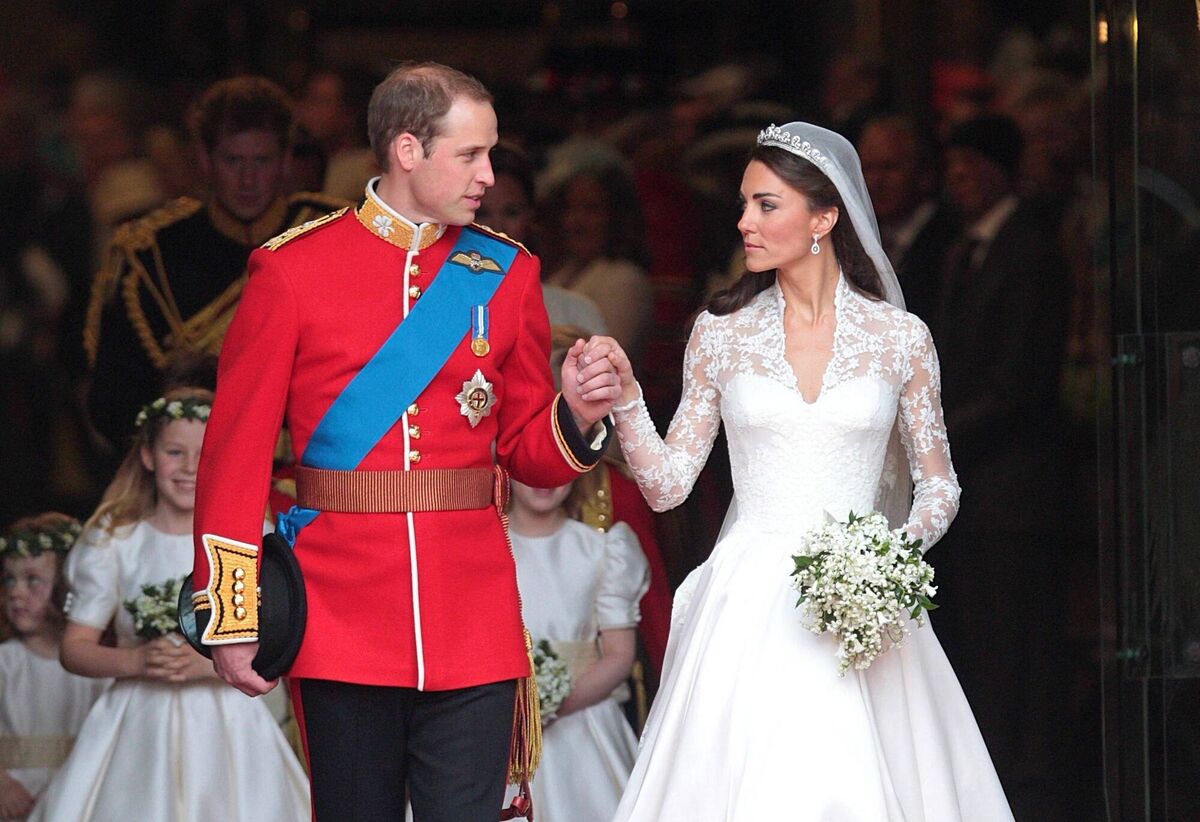
Perhaps, in deference to the queen, and hoping to stay on the right side of the grandmother-in-law, Kate Middleton’s wedding bouquet contained lily of the valley blooms and it is a flower much associated with weddings and true love as it’s said to symbolise luck in love.
A perhaps, lesser-known fact about the late queen’s favourite flower is that a drug obtained from lily of the valley was used during the First and Second World Wars to treat the symptoms in those who had suffered gas poisoning.
There are various religious legends relating to the flower, one which says that the original plant grew on the ground where Eve’s tears dropped when she was banished from the Garden of Eden and another which says that it grew first on the ground where Mary shed her tears during Jesus’ crucifixion.
In 1967, lily of the valley was named the national flower of Finland and in France every year it is celebrated on May 1, the Fête du Muguet, where bouquets of the flower are given as a symbol and a wish of good luck for the following year.
In a horticultural doffing of the cap to her passing, I will certainly be adding a clump of Convallaria majalis to my garden this winter.
Got a gardening question for Peter Dowdall? Email gardenquestions@examiner.ie

CONNECT WITH US TODAY



Be the first to know the latest news and updates