Vintage View: Just what exactly is responsible retail?
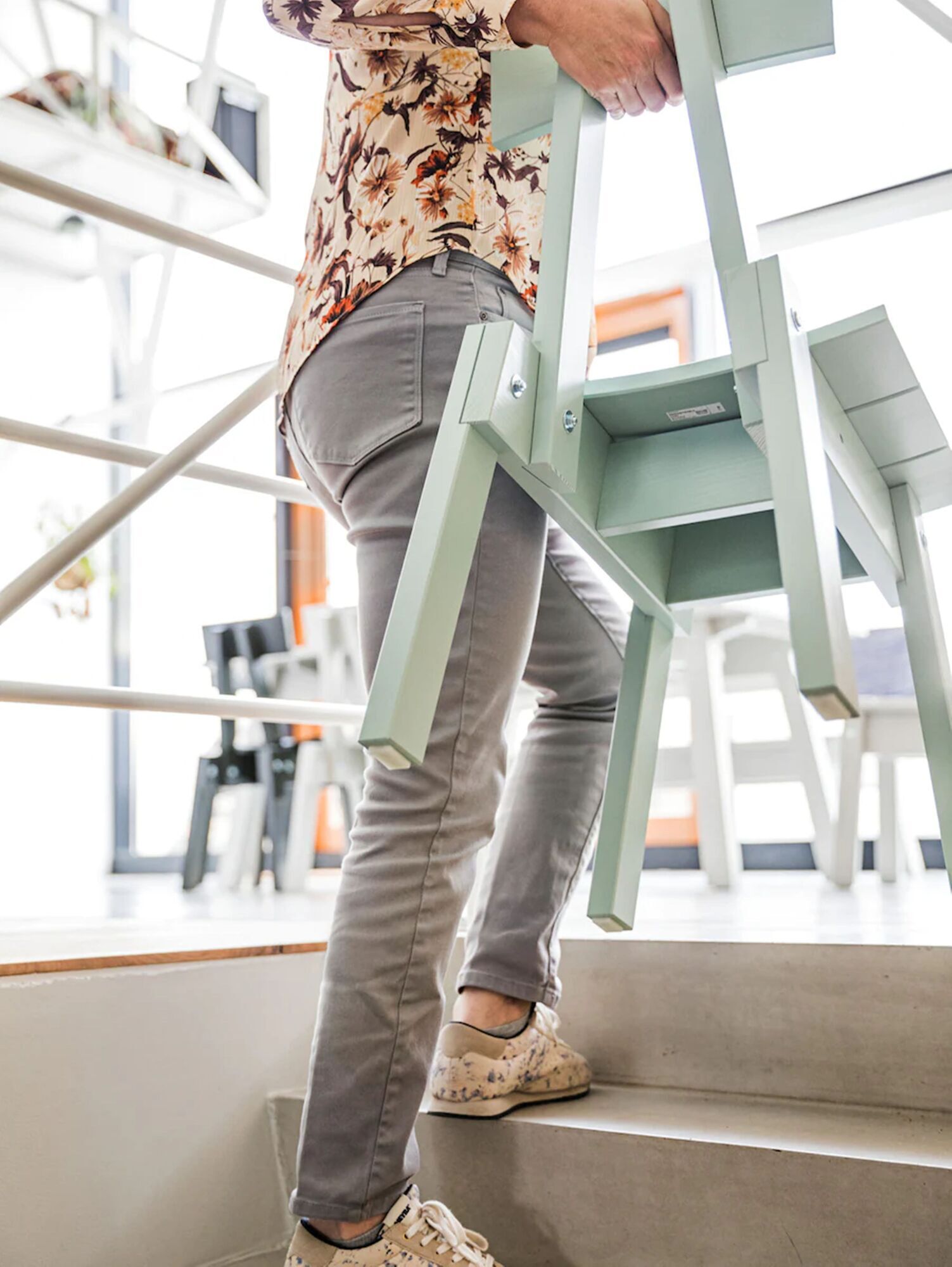
Depending on the condition of the furniture traded in, IKEA's buy-back/resell voucher could be worth as much as 70% of the original price of qualifying items.
With Climate Change occupying all our minds this New Year, you can expect to hear a lot more about what is termed “responsible retail” in 2022.
Just about every new thing you buy in modern materials has an environmental price to the planet. This cradle-to-grave burden starts with the sourcing of materials, fair labour, the energy and waste practices at the site of manufacture, packaging, delivery across whatever distance is involved to the showroom floor and so much more.
In 2019 a study sponsored by DIY outlet My Tool Shed, revealed that top of the rankings for CO2 emissions in new furniture was sofas. 90 kilograms of carbon dioxide was created by every large sofa with foams and fillings delivering 40% of that startling figure. The textile makes up more than 20% of related emissions, while another 15% comes from the timber. That new desk chair you’re swinging on may well have demanded the release of 72kgs of CO2.
With most new furniture, unless it’s made entirely of sustainably sourced local timbers, finished in VOC free lacquer, and made entirely by human hands in your area – it’s extremely difficult to nail the carbon footprint laid down during a household items’ production. Much of our high street furniture and accessorising is delivered in a vulgar collision of synthetic ingredients that will doom their relatively brief useful life to final humiliation at the landfill.
Happily, there are positive signs of real change to help us all do better.
CLIMATE & SUSTAINABILITY HUB
In the Spring of 2021 Vestre, an outdoor furniture company based in Norway led by their visionary CEO Jan Christian Vestre, became the first furniture maker in the world to declare what the carbon-dioxide burden was for every piece of furniture they made. This benchmark is now available on their website in the form of an Environmental Product Declaration.
Look for the environmental credentials of the brand you’re considering buying from. Words like recyclable, reusable or biodegradable, are a good start, but be wary of greenwashing – cunning marketing ploys to mimic planet friendly behavior with no real principle and practice to back it up.
Raise your expectations, slip on those reading glasses, and demand better. What is the maker doing to minimize their part in the climate crisis? That should be proudly flagged in 2022 on their home website.
A carbon neutral business? This means that every gram per kilometre (g/km) of CO2 created by that firm is offset by the amount of carbon saved through renewable energy inclusions and energy efficiency. Made to order (be patient) means your piece is not one of thousands sitting in a warehouse – it speaks of less wasteful business practices.
IKEA, are always upfront in their triumphs and failings in responsible retailing, piloting several projects over the past few years to clean up their act. Last year they launched a Buy-back & Resell mechanism in Ireland. This, together with the choice (generally a little pricier) of familiar catalogue favourites in more earth-friendly fabrics, should lead the way for other leading retailers to follow.
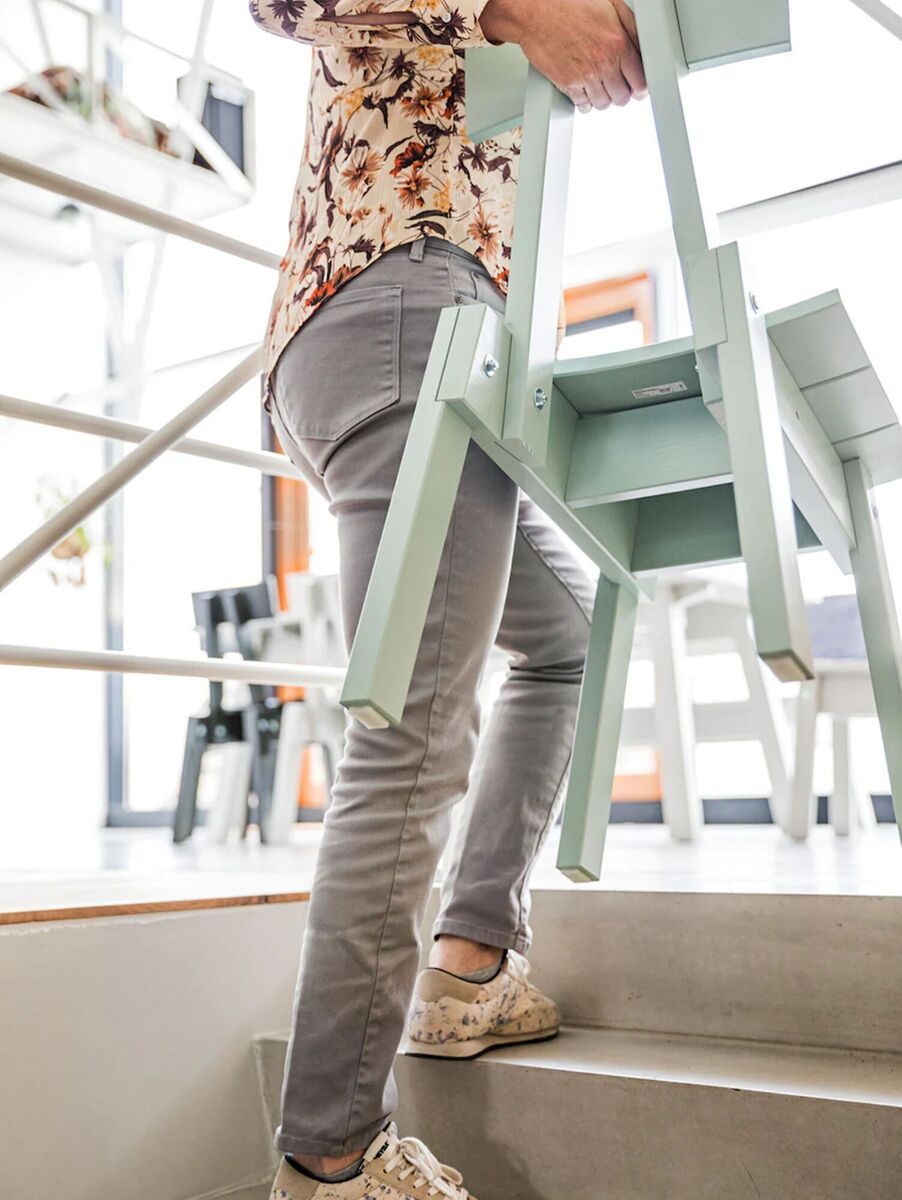
Depending on the condition of the furniture traded in, the buy-back/resell voucher could be worth as much as 70% of the original price of qualifying items. These include dressers, office drawer cabinets, small structures with drawers, display storage and sideboards, bookcases and shelf units, small tables, multimedia furniture, cabinets, dining tables and desks, chairs and stools without upholstery, chests of drawers and children's products purchased in the last seven years.
You can explore the Circular Hub and try out the Buy Back Estimator Tool online at ikea.com, reserving used IKEA pieces you fancy for collection.
Moving toward responsible retail takes effort on behalf of the consumer too. Dazzled with choice, we all tend towards the budget and cheery, but consistently buy cheap and we all end up paying.
What about a very deliberate move away from the throwaway towards quality materials that have been or can be recycled and should in the very best instance last a lifetime with simple repairs and renovations where possible? Sustainability is becoming increasingly synonymous with good design.
The higher the ratio of natural materials, such as FSC (Forest Stewardship Council) timber, glass, hemp, jute, cotton etc), and the fewer chemicals and volatile organic compounds involved, the more likely that piece will last the distance without giving the environment a cruel drop-kick of obsolescence.
We need our economy to thrive of course. Do buy, but buy strategically. Retailing thrives on the blithe, unplanned, impulse purchasing. The positioning on the shop floor, its apparently random placing at eye-level on the shelving and the surrounding theatre to draw you in? Toughen up. It’s up to us to bring our principle to the shop floor, moving the market and motivating sellers offering carbon-sucking, nebulous tat, who don’t give a fig.
Of course you should have what you want, but start with what you need and plot your home inclusions as closely as possible. Measuring, scheming, fidgeting with the mood board – finesse the choice and enjoy the journey. Buying second-hand household goods is generally ethical, eco-friendly behaviour and it’s something we can all attempt for even one or two large ticket items per year.
Keep in mind that older furniture in timber, MDF and other fabrics and fillings will not be “off-gasing” like a new piece would for the first few weeks it’s out of the packaging. Thrifting on the quality vintage market can also deliver perfectly good, high-design articles many of us simply cannot afford new.
Before you whip out the credit card or fan out the cash, do a little research for signs that that thing is ethically sourced, environmentally feather-light, and well made for its type. Shopping locally might seem to shorten the supply chain, but it only really counts if the pieces you’re buying are not crudely manufactured flashy rubbish from overseas brought in by the palette.
The making of these things have real-world consequences. Take the time to read all the identifying labeling. If something is durable, beautiful and useful, then if you do tire of its charms – remember, someone else can go on to enjoy it.
CLIMATE & SUSTAINABILITY HUB
CONNECT WITH US TODAY



Be the first to know the latest news and updates