Donal Hickey: The mystery of birds migrating
Swallows and swifts have by now departed Ireland for Africa, before our winter sets in.
AS thousands of over-wintering birds arrive here from northern climes, having flown thousands of kilometres, people wonder just how they do it with unfailing regularity.
And, given that they tend to use fair winds and the most favourable weather conditions, the question arises: have they some mysterious ability to forecast the weather?
They often fly at night with the moon and stars to show the way, following well-established flyways and taking routes that offer rest possibilities and food. The journeys can be hazardous, especially when they hit rough weather, threats of starvation and predator attacks. Globally, millions of birds migrate, escaping harsh winters and arriving in warmer areas where they can find food before returning to their breeding grounds to produce a new generation, the following summer.

Swallows and swifts have by now departed Ireland for Africa, before our winter sets in. The cute cuckoo has gone south for months. Other migrants, ducks, geese and waders have been coming here from northern Europe to spend the winter on our wetlands. Many experts believe migrating birds have a sort of in-built GPS which helps them navigate over land and sea, while also using the Earth’s magnetic field and the sun, moon and stars.
Back to bird weather nous. Helped by a tailwind, for instance, a bird can double its flight speed and make big savings on energy. But winds change quickly over Europe and it can be difficult to make forecasts. Author of critically-acclaimed bird books Anthony McGeehan, who has studied avian migration, says bird movements in response to weather are commonplace. When they’re in snow-covered ground in Britain, thrushes and lapwings, for example, can fly to mild Ireland.
Waves of migration are often seen after spells of bad weather. It seems, though, to be a case of birds reacting to weather rather than predicting it. “Field studies on patterns of migration intensity do not tend to support a forecasting savvy,” says McGeehan.
One of our most common birds is attracting attention now. Starlings are found in every county and, in addition to the resident population, we get a large wintering influx from Scandinavia, Holland and eastern Europe.
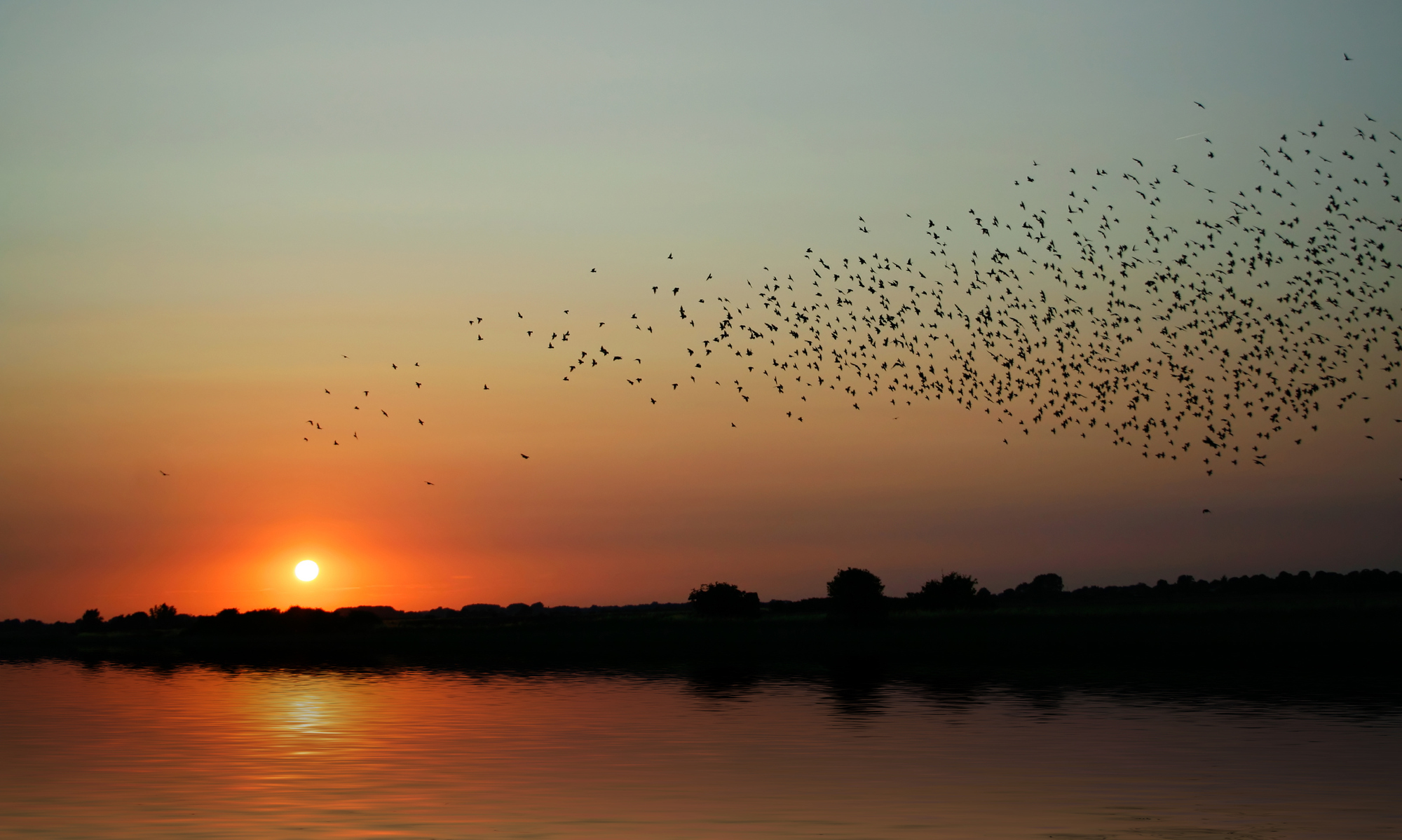
People look out for starling murmurations when huge numbers form what look like coordinated movements. At dusk, thousands of birds perform spectacularly, sweeping, diving and wheeling in the sky. Experts differ on reasons for such dramatics. Some say it’s all about teaching youngsters flying skills; others believe it’s to guard against predators.
One of the largest murmurations was in Timoleague, Co Cork, in 2018, with starling numbers there estimated by Birdwatch at 5,000 to 10,000.


CONNECT WITH US TODAY



Be the first to know the latest news and updates