State exams 2026: Reassurance offered after Leaving Cert maths 'struck bum note'

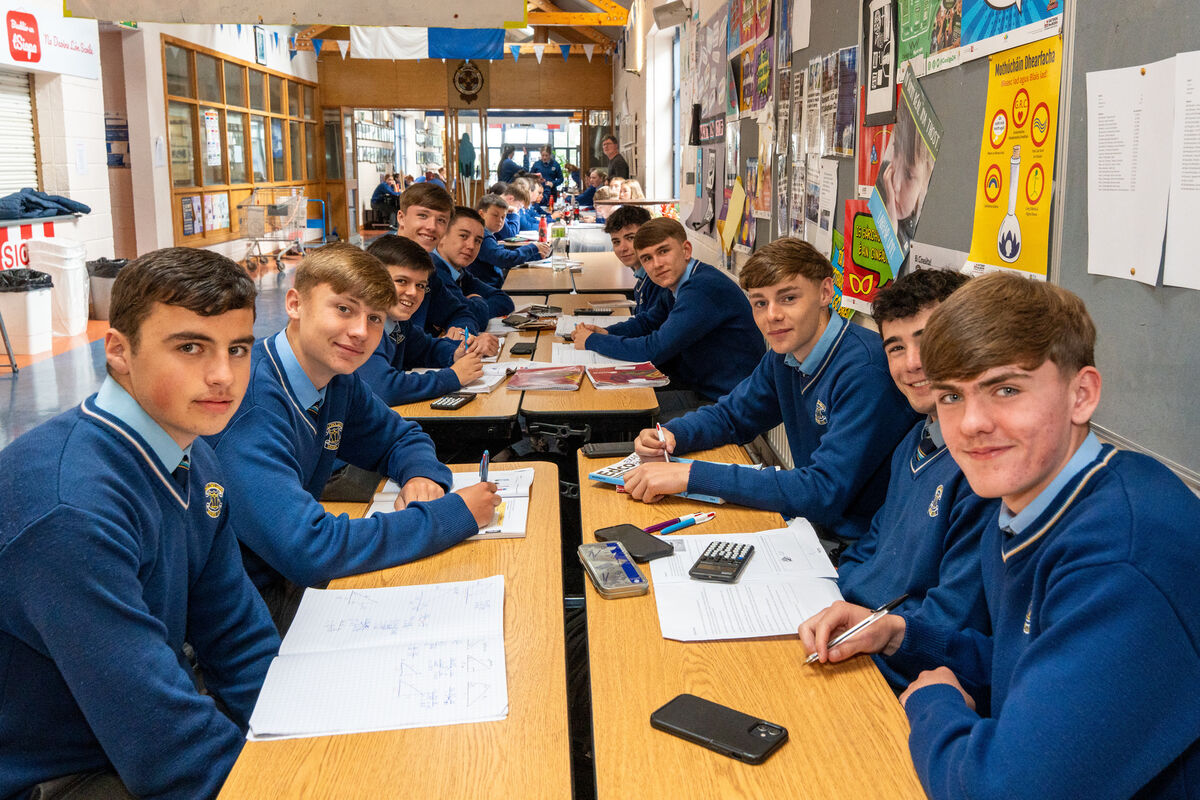
Josh Ó Gabháin and Lúcas Ó Murthile who sat Leaving Cert Maths Paper 1 today at Gaelcholáiste Mhuire AG. Picture: Noel Sweeney
Leaving Cert maths paper 1 may have “struck a bum note” with some students, with a very testing paper focused heavily on calculus, algebra, and sequences.
The 2026 State exams continued on Friday, with geography and maths paper 1 in Leaving Cert, along with Junior Cycle history and maths exams taking place.
Heading into the weekend, some Leaving Cert students may feel discouraged after a tough maths paper 1.
Niall Duddy, subject spokesperson for the ASTI and teacher at Presentation College, said he gives students the same advice every year if they are upset following the exam.
"If the paper is tough, they will reward students for attempting the questions," he said.

“That goes for every exam, not just maths.”
That being said, the higher level paper 1 was a “testing” paper, said Mr Duddy.
“Certainly in our school it was mixed to negative, the reaction.”

“A lot of students were very glad there was choice, but anyone taking chances might be unhappy.
"The paper was very heavy on calculus and algebra, sequences, and series in particular — and anyone who was hoping for financial maths, they weren’t really rewarded."
Read More
There were also a “couple of unusual” questions, such as question 8, he believed. “It struck a bum note with some people.”
Question 10 about patterns was also “something a little bit left of field".
Overall students were happy that the paper offered different choices, he added. “If there had been less choice, I think there would have been more long faces.
“It was certainly a very testing paper, a lot of students would have found it tough.”
The feedback from students after ordinary-level maths paper 1 was “overwhelming positive”, said Mr Duddy.
“They liked the fact there was a lot of financial maths on the paper, which they had prepared very well for. There was a good mix there in the questions, there was something for everyone.”
Meanwhile, Leaving Cert geography was a "marathon" and a "very demanding" paper, according to Margaret Fitzpatrick, a teacher and ASTI subject spokesperson.
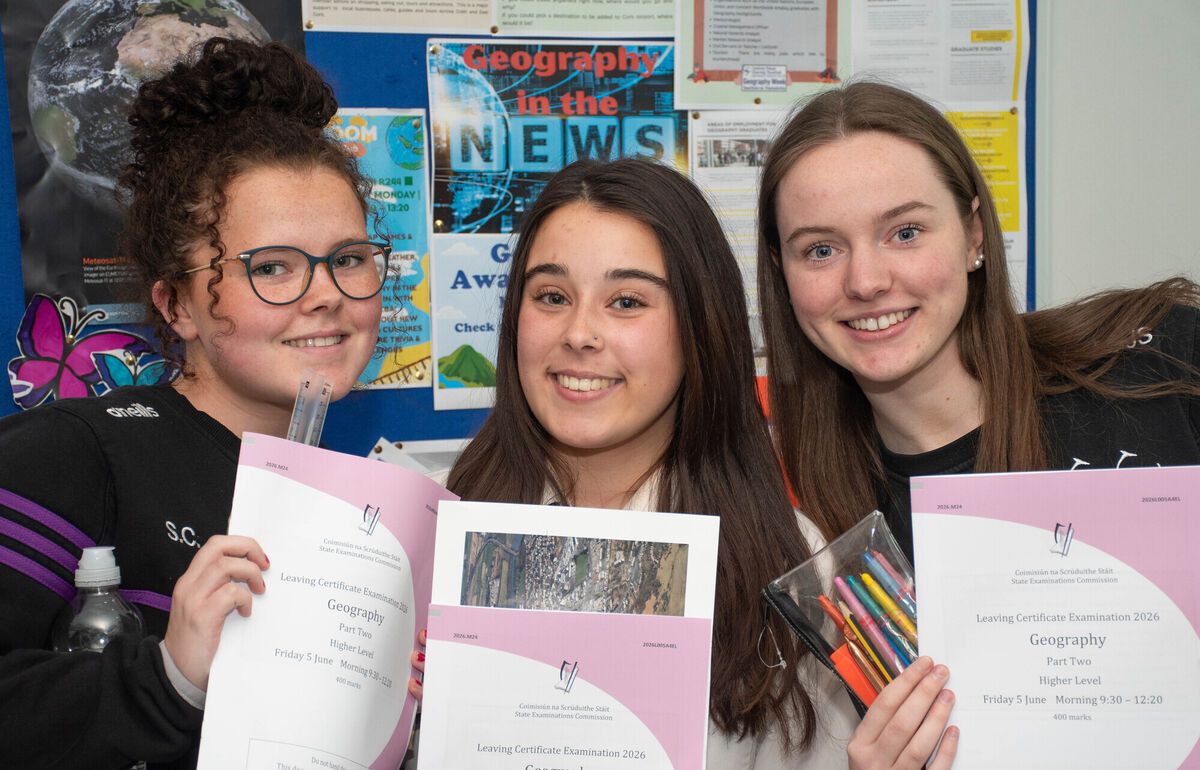
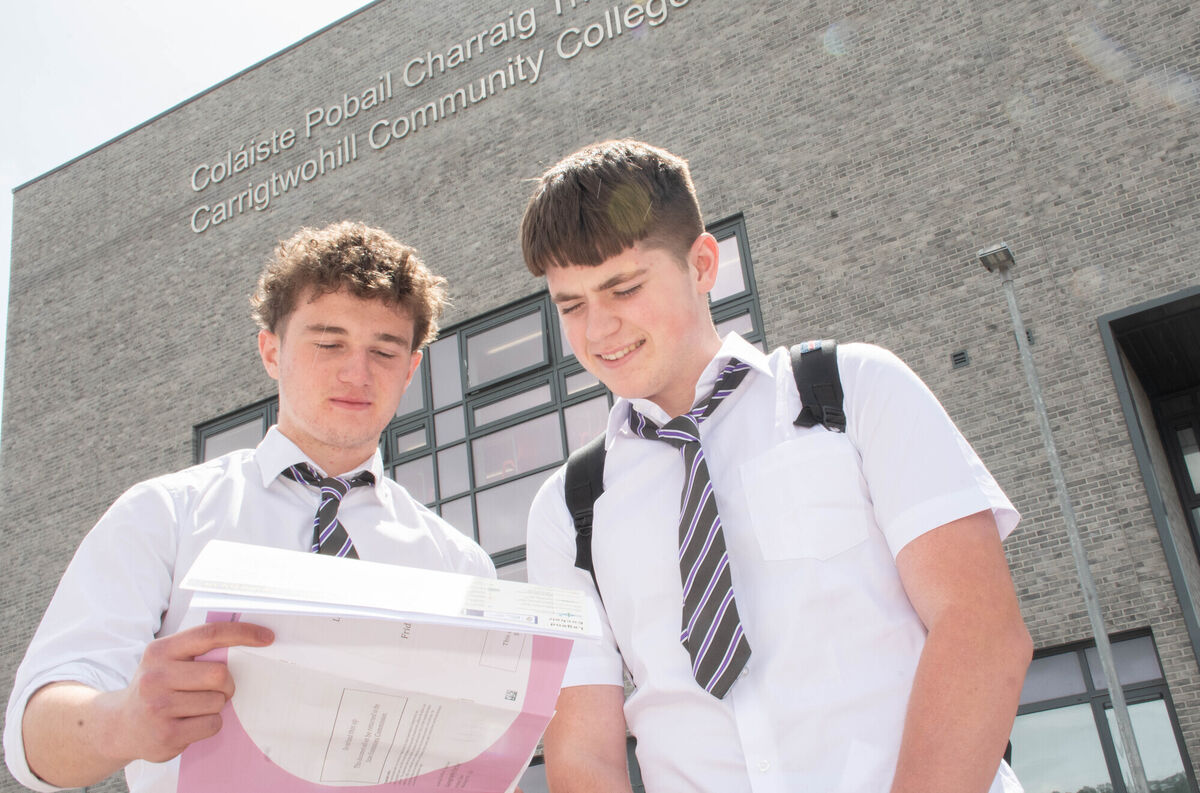
However, she believed the 2026 paper would be widely praised by both students and teachers.
"It was a fair and balanced paper with predictable question structures," she said.
The short questions were in line with previous years, as were the structured essay questions. "Well-prepared students will do extremely well," said Ms Fitzpatrick.
The ordinary-level paper also contained no major surprises, according to Stephen Doyle, Studyclix subject spokesperson.
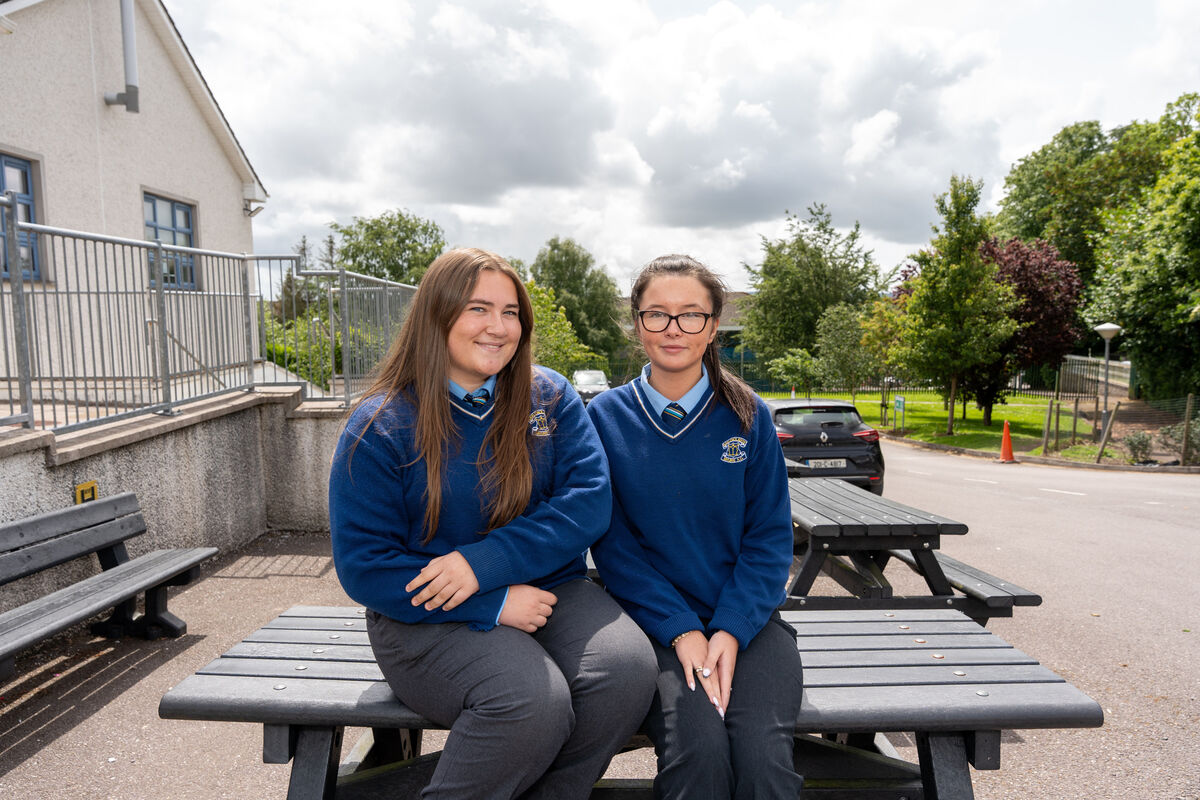
"Students would have been reassured by the range of choice available throughout the exam."
"The questions were accessible, covered familiar topics, and gave candidates plenty of opportunities to demonstrate their knowledge. Overall, it was a fair and manageable paper that should have been well received by students."
This year’s Junior Cycle maths exams for both higher and ordinary level were received "relatively well", according to Stephen Begley, who teaches at Dundalk Grammar School and is Studyclix subject spokesperson.
The higher-level paper included "an excellent range" of usual topics, he said. "It opened pleasantly with approachable probability and statistics questions, helping to settle students’ nerves, before moving into a comfortable financial mathematics problem that concluded with a more demanding part."
The paper's trigonometry question was very direct and familiar, though students needed to be careful with the mixture of units in the diagram, he said. "Overall, the paper presented a fair and balanced reflection of the Junior Cycle higher-level course."
At ordinary level, the exam engaged students with a series of routine and well-structured questions at the beginning, "helping to ease nerves before progressing into more applied topics", said Mr Begley.
"Many will be satisfied with their performance in this candid paper as they head into a weekend of study ahead of next week’s examinations."
The Junior Cycle history exam was also well-received as it "continued the trend away from rote content and towards source analysis, with photographs, a cartoon, a diagram, and a timeline all featuring", said history teacher Patrick Hickey, who posts online as @lchistorytutor.
"A fresh climate change and archaeology angle opened the paper. Question 6 on the Holocaust proved trickiest. I think the paper will be broadly welcomed."
- Jess Casey, Education Correspondent
CONNECT WITH US TODAY



Be the first to know the latest news and updates