Peter Dowdall: Grab every opportunity to get gardening
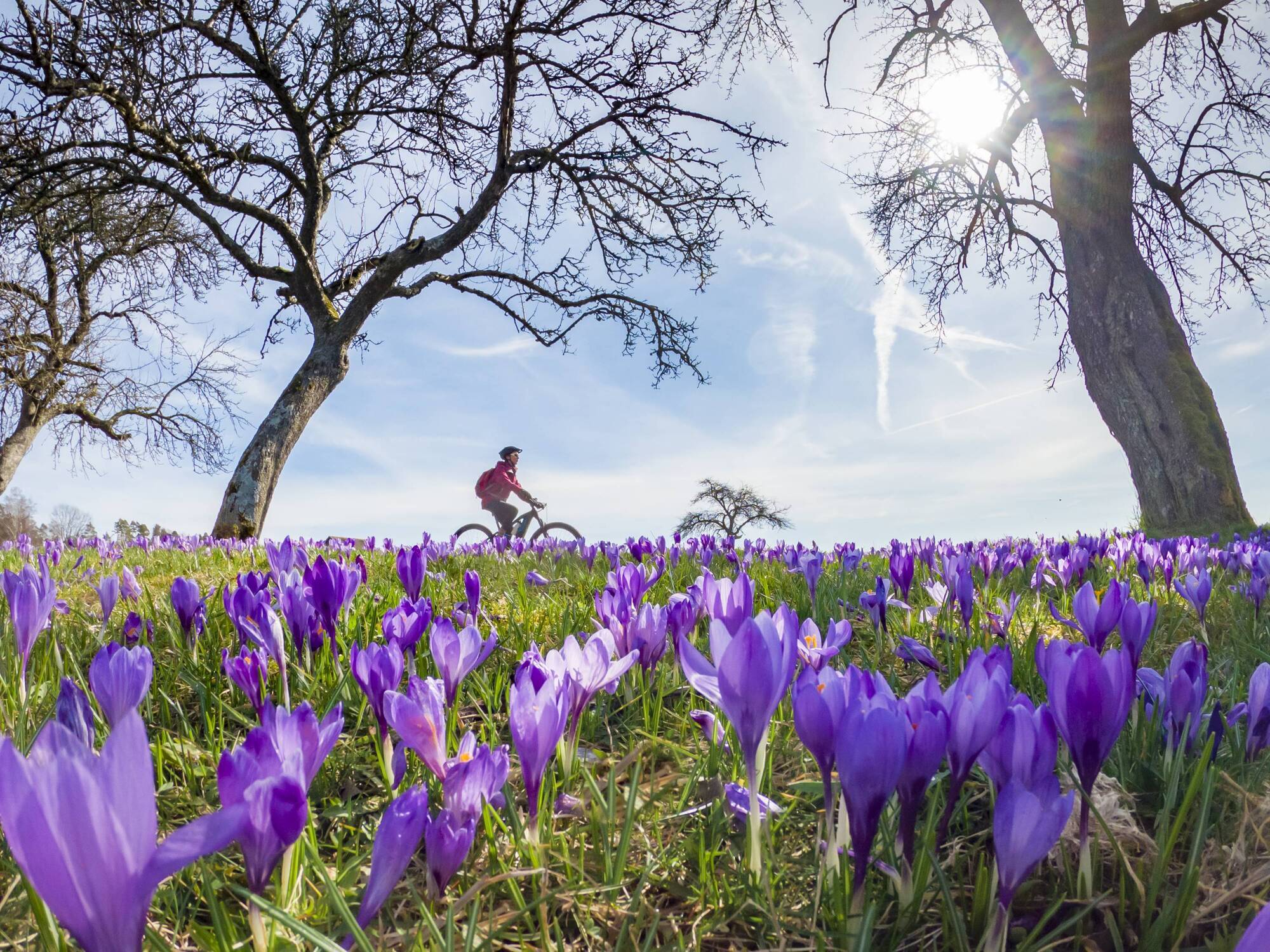
Carefully chosen, spring bulbs can bring colour to the garden from December to June. Crocuses not only look beautiful but they are important to bees and other pollinators early in the year. Picture: iStock
I HEARD a great expression recently when someone described themselves as a “lockdown gardener”.
In other words, a beginner who took up gardening like so many during the last year and a half. It’s great to see people, who had, up to now, not interest or perhaps had the interest but no time, to get into the garden properly.
The periods of lockdown afforded all of us the opportunity to get stuck in to the garden and what so many have found, is that this gardening lark is in fact, remarkably simple. For “lockdown gardeners” and old hats, we all have to think at least a season ahead in the garden and the easiest plants of all to grow are spring bulbs.
In much the same way that we plug in the socket to turn on the light or TV, we are simply plugging the bulbs into the energy source that is the soil or planet earth and off they go.
As the golden, yellow daffodil heralds the arrival of Spring, the falling of leaves during the month of October announces the beginning of bulb planting season.

Though nowadays they often begin to appear earlier and earlier in the year in garden centres and supermarkets around the country, I still recommend only beginning the planting now in October and stagger the planting over the next few weeks so that the period of bloom in the spring is similarly staggered and extended.
If planted too early, when the temperatures are still relatively high, the bulbs can start growing immediately and some may even flower before Christmas, If left until after a dip in temperatures and even after the first frosts then there can be no mistaking that it is winter and they will begin then to emerge in early spring at the correct time.
A bit of backache and physical work now to get them into the ground will pay rich dividends in the spring. With a small bit of homework and research, bulbs that are cheap as chips, can provide a continuity of colour in the garden from December to June.
The earliest of the daffs, such as Rijnveld’s Early Sensation and the dwarf form, February Gold which will normally flower much earlier than February, often blooming from December onwards will be the first to provide colour, followed by the Eranthis hyemalis or Winter Aconite, a lovely, low-growing yellow flowering bulb, which is an important one for any bees and pollinators which may be about.
Another one loved by the bees is crocus and in particular, the species crocus as opposed to the hybrids. These cheerful beauties which I often think look like little, mini-horticultural chalices are in bloom early in the season too, expect to see them from January and February.
Snowdrops will also be in flower then but from experience, these will establish much better if planted “in the green”, that is, as living plants in the spring and not as bulbs planted in the autumn.
Anemone blanda and Anemone nemerosa, the Balkan anenome and the wood anemone are later to bloom as they do their thing in shades of mauve, blue and white during April and May and are a sight to behold when planted en-masse.
Like the crocus, these should not be planted too deeply in the soil, in fact, they should really go in just about an inch or so below the surface.
There are exceptions of course, such as hyacinths which can be planted with their noses just peeking above the soil but in general it’s a good guideline to follow.
You can continue the daffodil display with numerous varieties to choose from but I particularly love the dwarf, scented form, Narcissus Verdin and the simple and elegant scented, white flowering Narcissus Thalia.
I’m often asked what is my favourite flower and like asking a parent to name their favourite child, it’s nigh-on impossible to pick one but I do simply adore tulips.
There are thousands of varieties from which to choose, grouped into different categories based on flower shape such as, double forms, Lily Flowered, Parrot Tulips, Viridifolia types and fringed, to name just a few.
Each category contains hundreds, if not thousands of varieties. I love the simple classic, Darwin-type Tulip such as Blue Amiable which is really a mauve/pink and the classic Red or Golden Apeldoorn. To add some pizazz to your garden go for a mixture of Tulip White Rebel and Black Parrot and these will bring the colour right into May, just in time to meet the alliums, it really never ends.

• Got a gardening question for Peter Dowdall? Email gardenquestions@examiner.ie


CONNECT WITH US TODAY



Be the first to know the latest news and updates