The furry mystery of Dublin's Dalkey Island
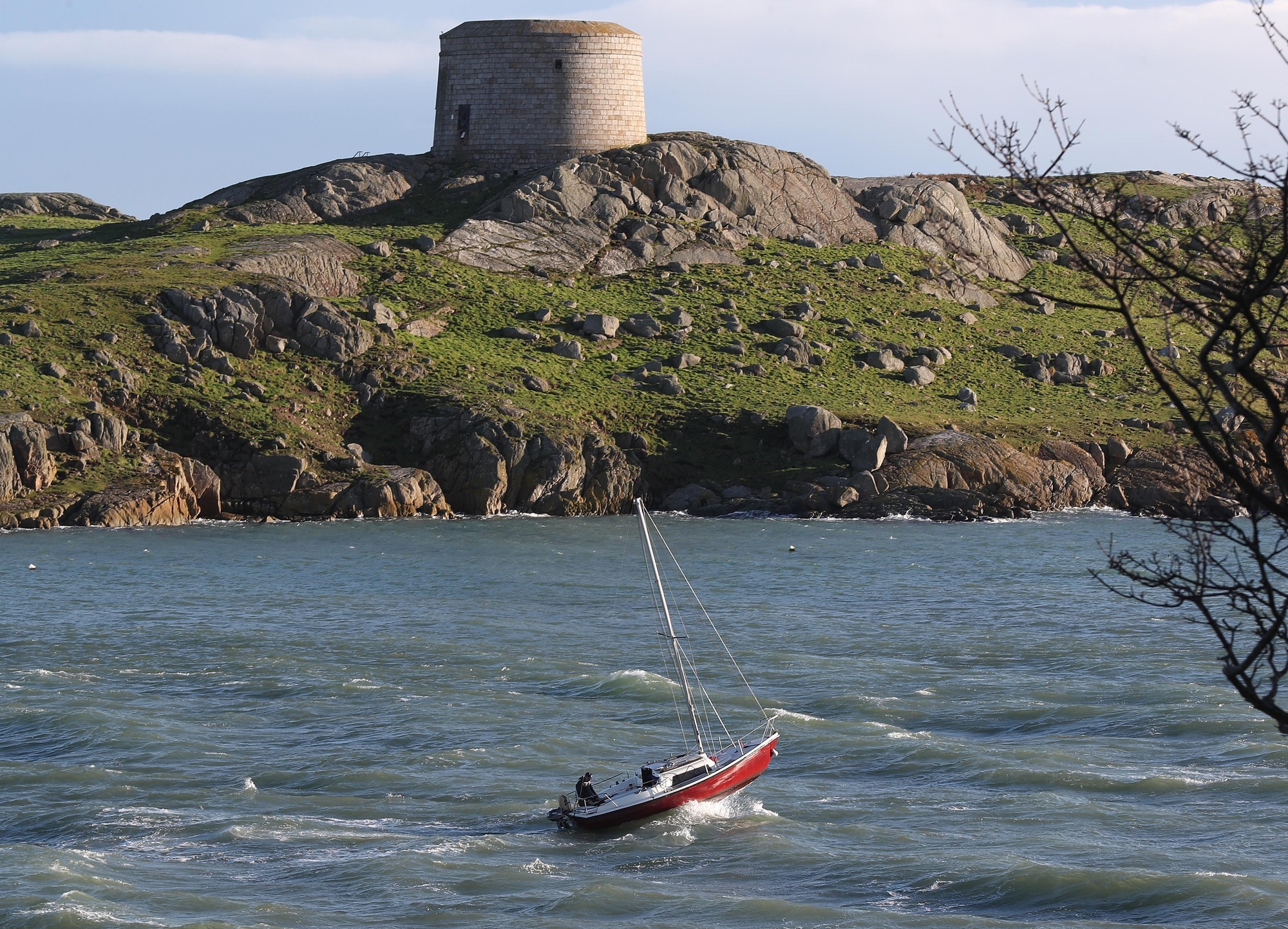
Purchased from the British Army in 1913, Dalkey Island is located off the southern tip of Dublin Bay. File Picture: Robbie Reynolds
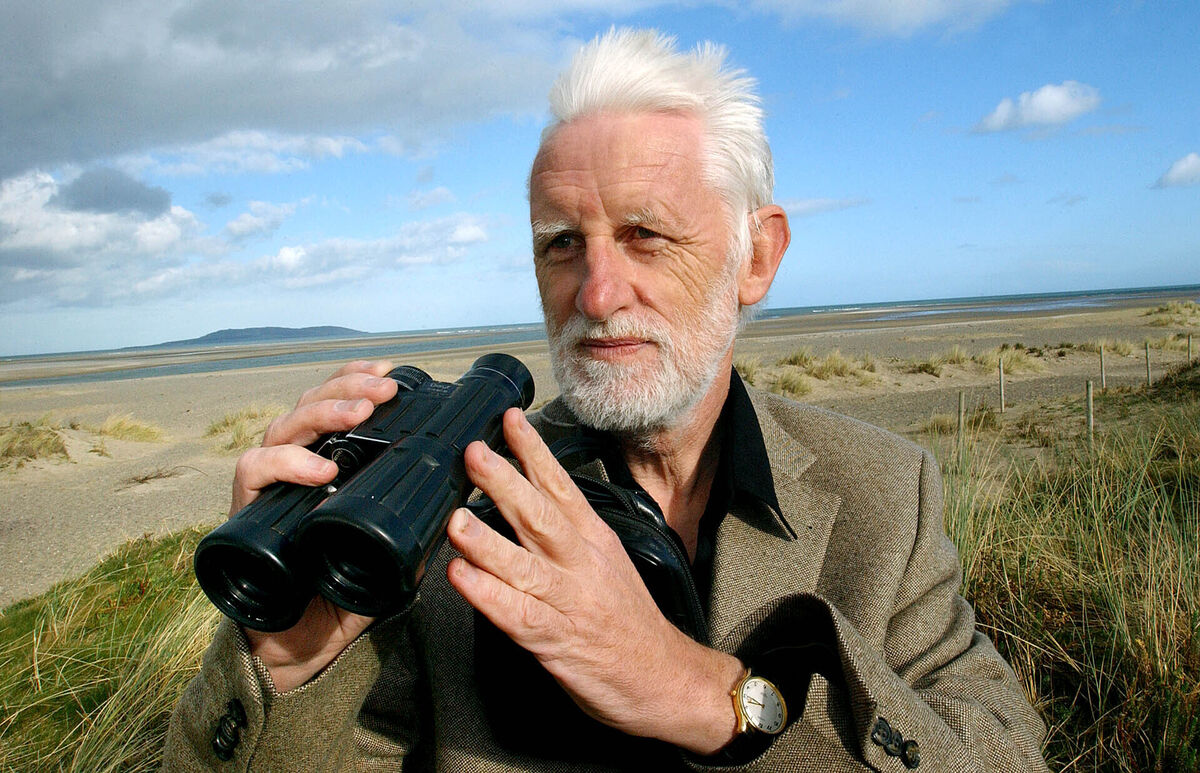
Dalkey Island, off the southern tip of Dublin Bay, was purchased from the British army in 1913.
Inhabited since Mesolithic times, it has an early Christian church, a fine Martello tower, and the ruins of a 19th-century gun battery. St Begnet’s well, now dry, offered sufferers relief from scurvy. This nasty affliction, known since ancient Greek times, occurred in Ireland during the Famine of the 1840s. Victims’ gums bled, their teeth fell out, and death soon followed.

Scurvy results from a lack of vitamin C, which we obtain from fresh fruit and vegetables. You might dismiss, as a pisheóg, the claim that drinking at Begnet’s well-helped victims — but you would be wrong. Chemical analysis revealed traces of the vitamin in the water.
The source is run-off from plants. A white-flowered member of the cabbage family, growing in rocky locations along the Irish east coast, is known as scurvy grass. According to Gerard’s 1597 Herball or Generall Histortie of Plantes, drinking its juice cured this “filthy loathsome heavy and dull disease”.
But how did people, long ago, discover the benefits of drinking from a particular well?
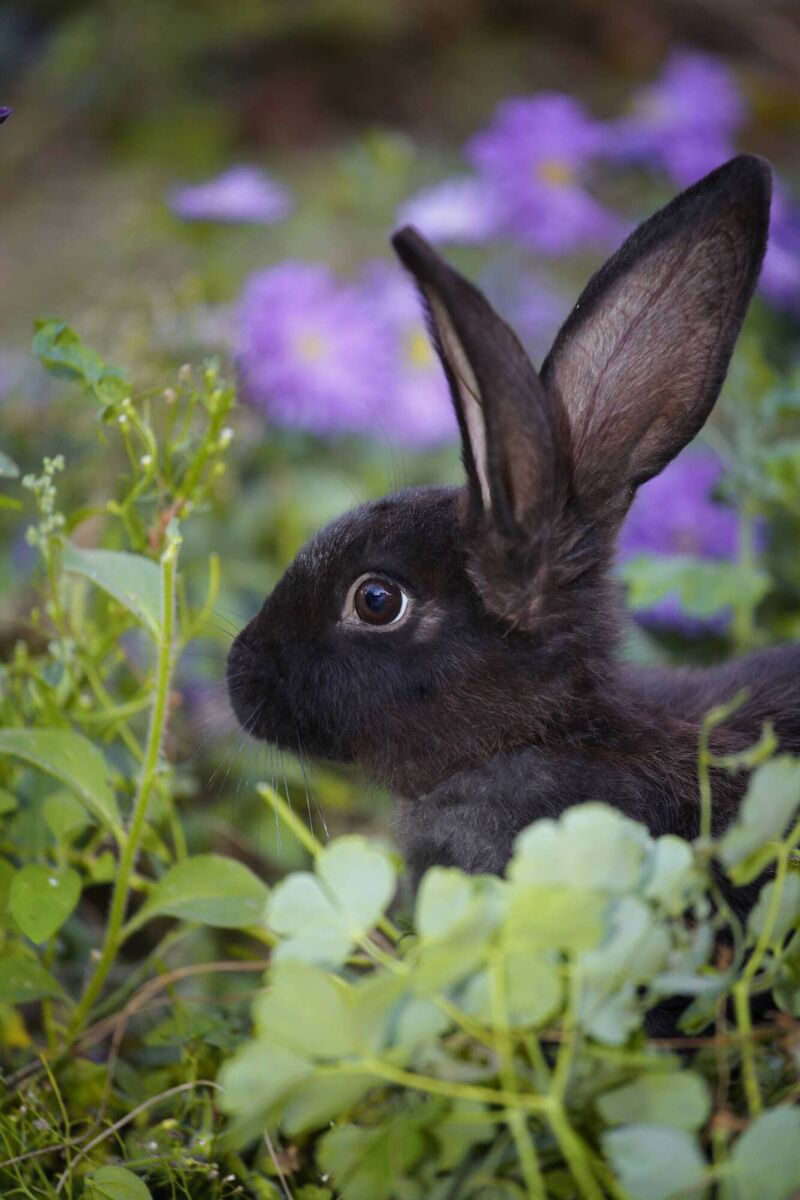
There’s another Dalkey mystery; a furry one. The wildlife of this 9ha island is impressive. Despite constant disturbance by day-trippers during the summer months, Arctic terns have established a nesting colony there. They bred well this summer. Seals haul out along the shoreline and there’s a herd of feral goats, with some impressive specimens. Pride of place, however, goes to Dalkey’s rabbits. On a visit to the island at the weekend, I was impressed not only by their abundance, but by the high proportion of black ones among them.

Rabbits of various colours were bred selectively for the pet trade. Are our black ones descended from pets ‘dumped’ on the island, breaching local bye-laws, by their disenchanted owners? This seems an unlikely explanation; the offspring of a few black individuals mating with ‘normal’ partners would revert to the grey-brown colour within a few generations.
But melanism, more common than albinism in rabbits, occurs naturally in European warrens. Black ones are likely to be born from time to time almost anywhere. That they should thrive on an island might seem odd, but it isn’t. There is an advantage in being black. Rabbits are most active at dawn and dusk; a black one, venturing out of the warren, would be less conspicuous to a prowling gull. Dark fur offers less protection from ground predators, which might explain why black pelage survives on islands where foxes and stoats are absent.
Indeed this may be one reason why the Normans, who brought rabbits to Ireland, kept them on islands. Introduced American mink are capable of swimming considerable distances from the mainland, presenting a relatively new threat to island rabbits.
The most celebrated example of ‘adaptive melanism’ isn’t the black rabbit, but the peppered moth. During the English industrial revolution, the light coloured ones became conspicuous against tree-trucks blackened by soot from the ‘satanic mills’. Easier for predators to spot, they were soon replaced by black individuals. When air pollution was reduced, the white variant reappeared.
Such heritable traits become ‘morphs’, the black panther being a ‘morph’ of the leopard.
CONNECT WITH US TODAY
Be the first to know the latest news and updates