How do I buy ethically-sourced down and feather products?

It’s up to you to shop responsibly. Look for the Downmark and other humane certification for feather fills. Pictures: iStock
Feather and down is part of the language of luxury. Outerwear aside — mattresses, toppers, duvets, cushions and bolsters floating on the softer under-feathers of domestic and wild fowl has been favoured since the Middle Ages.
Feather “ticks”, including the biological borrowings of various farmed birds, were precious dowries when a wealthier 14th-century woman married. Favoured over hay stitched into large sacks, the true feather bed, resplendent in a cambric-style cover with its baffled edges, was rolled up and carted from place to place even in wartime. In essentials, its design has changed very little.
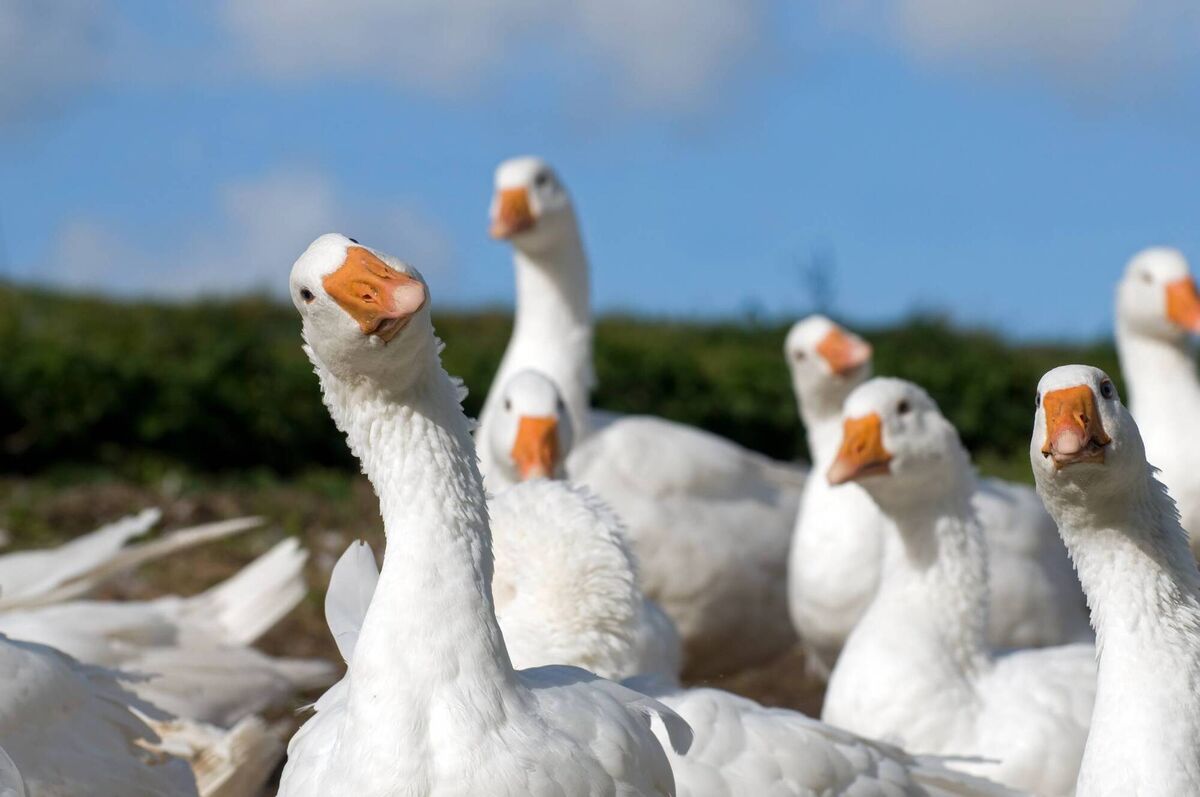
Underneath the stiff top, water-repellent feathers of waterbirds (geese and ducks) is an unbelievably soft, dense layer of smaller down feathers. These complex small spheres, the size of a little fingertip, have powerful thermal properties — holding up to 95% of the air around them, conserving and regulating the bird’s body warmth in even Arctic conditions.
Deliciously malleable and airy, if you’ve ever touched a powderpuff made of down, it’s almost impossible to feel; there’s a slight discomfort to just how exquisitely yielding it is under the fingers.

With the abundance of domestic birds raised for their meat across Europe, the Americas and Asia, feathers were, and still are, a vital, sustainable by-product, plucked immediately after killing when the quills pull away easily from the warm bird.
The lightness of a down feather mix is deceptive (tog is about warmth not weight), and its second quality is mechanical; it’s springy and as a stuffing material, returning to its form after being compressed by, for instance, a sleeping body.
With a good “fill power” (the density of down that delivers warmth and shape) and a high ratio of down in a feather/down mix, it’s the ultimate five-star sleeping experience, comforting and cradling the body without any poking quills working through the cover.
There’s an irresistible classic give to a down upholstered armchair, and who doesn’t enjoy thumping those loose feather cushions back into good behaviour.
Quality feather products, maintained perfectly and sewn into tight covers are hypoallergenic (at least to start). They do provide a happy, wider environment for dust mites over time. Mattressing and toppers which cannot be deep-cleaned, should be given up after a decade when the feather fill can potentially be refreshed, composted or recycled (couchée).
Feathers potentially have about 50 years in them before their natural odour increases and physical collapse, disintegration and fatal clumping from inadequate drying grounds them — an honest life expectancy for a working organic material.
So, why am I not tickled? Well, unless you’ve been hidden under a 10-tog goose-down duvet for the last 30 years, you will have heard of the disturbing practice of live-plucking. I’m not going to go into the violent details of this vile process. Suffice to say, there is no way to rip feathers from a live bird without inflicting fear and agony together with skin and muscle damage.
Discovered to be still a feature of feather production in some parts of Eastern Europe and widespread in China up to five years ago, live-plucking has something in common with several other disturbing industries directed at the top end of the luxury market. There’s always a demand for the forbidden by empathy free customers. Apparently, older birds who have endured live-plucking over several years produce the finest down and yes, there are manufacturers willing to pay for the softest stuff regardless of its source.
Live plucking is the natural companion of the foie gras market in the Far East, and when it comes to cruelty-free certification for fashion and domestic down, these two controversial sectors are generally cited together.

Some 270,000 metric tons of feathers are produced across the world every year and most of this is a by-product of the meat industry, but live-plucking remains an urgent issue with bodies including the National Audubon Society (the first to demand trade certification of down products). PETA is calling for not just checks but ongoing on-the-ground audits of Chinese goose and duck farms indicated in past cruelty cases and the retail chains who regularly sell feathered goods.
In an ideal world where we all had €2,000 to €12,000 for an Icelandic throw, plumped with the hand-collected nesting down of the eider duck (Somateria mollissima) — this feature wouldn’t be necessary. The symbiotic relationship of this beautiful sea bird and the eiderdown eco-tuned farmers is ancient and heartening.
Producers carefully preserve and enhance the nesting grounds of the wild eider, collecting wool-like down used by the female to line their nests for a short two month period on the icy tundra.
Returning to the nests two-three times in the season, they tenderly replace the precious down with fine hay.
Sadly the labour and time-intensive quality of eider-down (16 grammes per nest, 60 nests per single duvet), makes it the preserve of the wealthy (or a cheeky wedding list inclusion).
So, there you are, wandering around on the store floor or online and you fancy a bit of the feathery stuff. How do you buy ethical down and feather pieces for the house?
Once you’ve decided against petrochemical or even vegan alternatives as environmentally disturbing, it is worrying. Are those gorgeous products ethically sourced and if not free-range, at least come from housed birds that were first slaughtered for meat? Quality, that nebulous word is useless — we’re looking for live plucking/foie gras certification and your supplier should be willing and able to give it to you. “Down feathers washed in thermal waters.” Wonderful — where’s the ethical certification please?
Common certification for clothing and home goods includes the IDFL Down Standard (IDS), Downpass, Downmark, the Responsible Down Standard (RDS) with accompanying Transaction Certificate (TC) or the Traceable Down Standard (TDS). Ikea, M&S, John Lewis and many other high street homeware brands have their humane feather certification on the labelling and proudly bannered on their home sites.
CONNECT WITH US TODAY
Be the first to know the latest news and updates