It's back to the future for our practical Irish country furniture 
Pandemic has made a classic book on Irish country furniture more relevant than ever, says Property editor Tommy Barker
It's back to the future for our practical Irish country furniture 

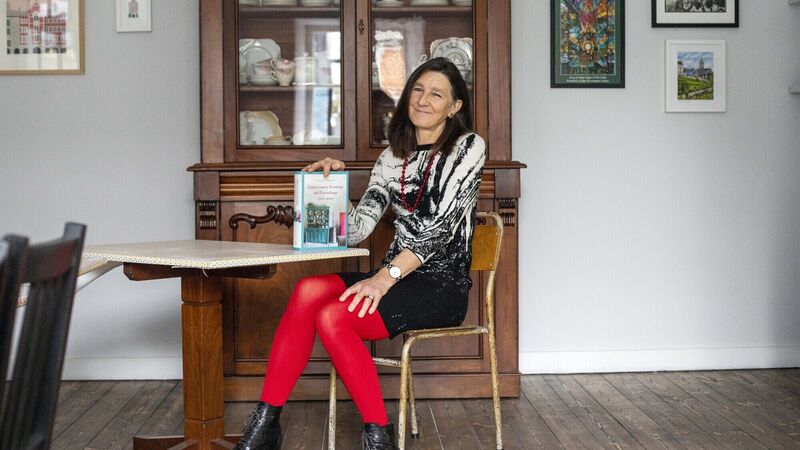
Claudia Kinmonth, author of 'Irish Country Furniture and Furnishings 1700-2000', pictured at Nano Nagle Place  Book Shop, Cork.
A just-released expanded and improved classic, the even-more colourful book Irish Country Furniture and Furnishings 1700-2000, published in November, is peculiarly relevant — thanks to a global virus.

The mighty work, considerably updating a 1993-first MA-based publication by the west Cork-based scholar of Irish culture, folkways and day-to-day rural living, Claudia Kinmonth, came out as the island of Ireland was, effectively, housebound — gratis of a second, 21st-century Covid-19 lockdown, making the most of home and hearth, and having to find innovative/make-do furnishing solutions.

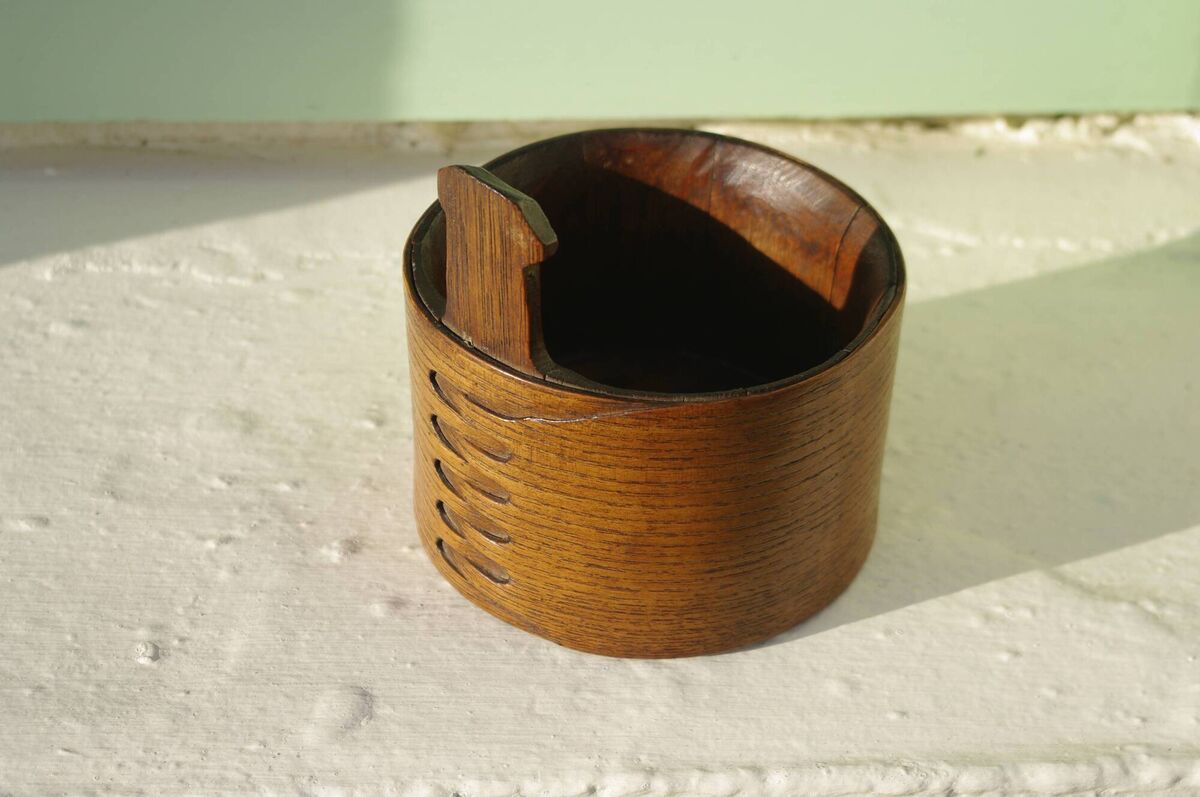
A woven noggin.
A woven noggin.

Furnishing solutions? That’s a bit like the 300-year period which this “back up-to-date” book’s impressive research and unearthings, by an erudite art and furniture historian, spans.

It shows the evolution of practical items of furnishings, from the necessities like butter churns, to display dressers, and to hanging cradles and settle beds — the sofa bed of its day?

It unearths vaguely, and yet-very, familiar things like an array of “keeping holes” (cavities near chimneys to keep precious goods like salt or tobacco, dry) and multitudes of dressers, done to utilitarian, decorative and regional variations and things like the once-ubiquitous Irish settle.

SETTLES

Some set-piece settles instanced here are ingenious; case in point is the drop-down leaf table hinged on pine seating, and branded the “Carberry settle”, by Rosscarbery resident Claudia Kinmonth, whose own photographs, drawings and sketches adorn the pages, digitised for posterity too.

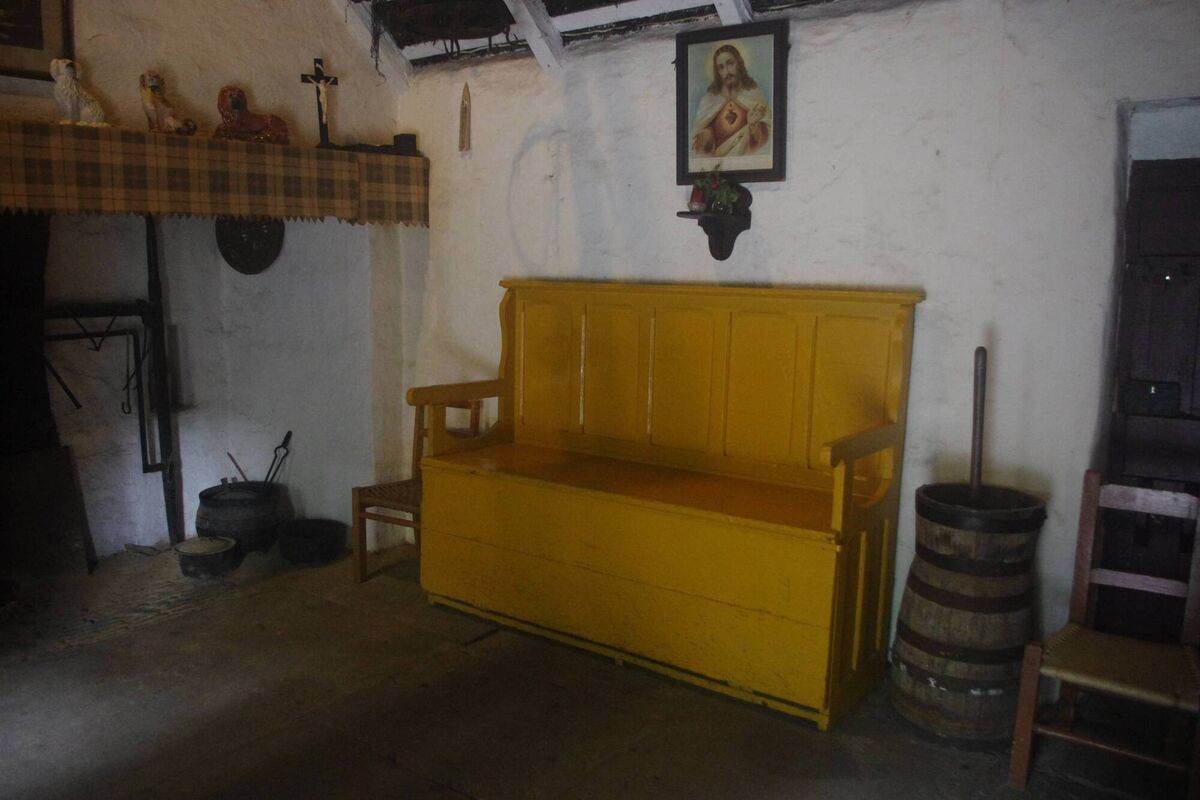
The sofa bed of its day? A settle bed at Bunratty Folk Park.

The “Carbery settle”, a clever take on the wall-hinged “falling table”, and regional variations, effectively were the ultimate multi-purpose chill-out space, the kitchen table, the home office, the designated desk of the 19th century, sort of 150 years before Ikea, and laptops, and “working from home” became quite the thing.

The just-published book is the result of enormous fieldwork and vernacular Irish “country” furniture research and appreciation done by the writer since the 1980s, but looking way further back, to the early 18th century.

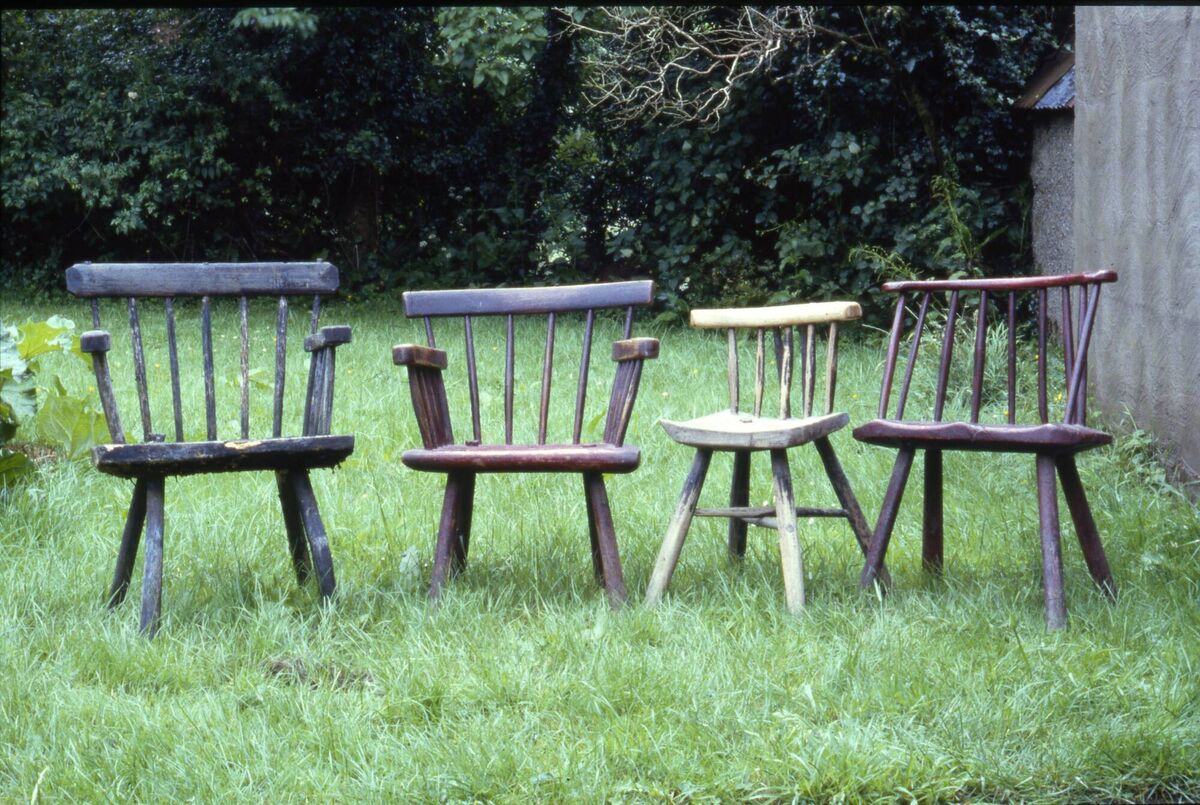
Hedge chairs made by wheelwright Thomas Murphy, Co Wicklow.

Informative to her fingertips, writer Claudia Kinmonth brought out Irish Country Furniture 1700-1950, back in 1993 with Yale University Press.

It took off, and not just among the aficionados of stripped and waxed pine furniture, sugán chairs and carved spoon collectors.

That truly-seminal book led to exhibitions (in Cork’s Crawford Art Gallery and further afield), and in 2006 Kinmonth followed up with Irish Rural Interiors in Art, as eminent, collectable, readable and relatable a tome.

Thanks this time to Cork University Press at UCC’s Boole Library, the pandemic-times’ published and enlarged Irish Country Furniture now finds a rebooted reach and relevance, a sudden and surprising new impetus: pandemic times have driven populations back to domestic confinement, back to home and to hearth.

NEW LIFE

Surprisingly, things that seemed to be disappearing from our day-to-day consciousness have a new life and appreciation?

We suddenly have a new (forced?) regard for things like neighbourliness, clever reuse of materials and spaces, the meaning of home, simple and inter-generational family life (and, animals!) under the one roof, 24/7, and of — yes, again, hearth.

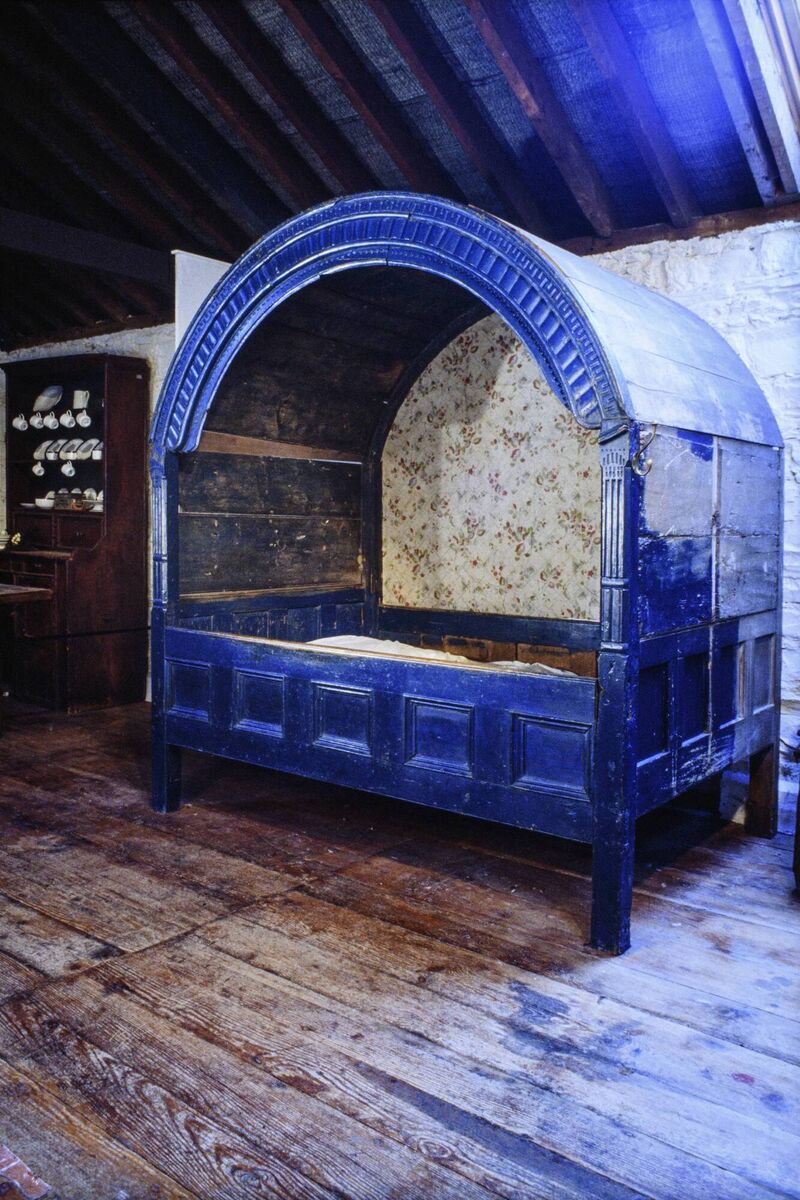
A covered bed from County Waterford; Irish Agricultural Museum.

You’d miss the open fires, though, and almost even miss and mourn the fug of peat smoke from unvented chimneys (airtight NZEB buildings eat your hearths out).

This claggy turf haze such as Kinmonth details almost in passing, revealing nuggets of historical background like “peat” briquettes, about how turf fuelled fires, made up poor cottiers’ cabin walls, and even furniture made from the same bog once dried out.

If times were hard, you could burn it, and dig out some more replacements when things picked up once more. You won’t do that with polypropylene.

This book’s a rich, dip-into research trove, but it’s a fair bet that many of those who’ll come to savour its 550-plus pages will simply appreciate the connection to their own generations’ past, either through family photographs, hand-me-downs, prized or just “old pine” artefacts.

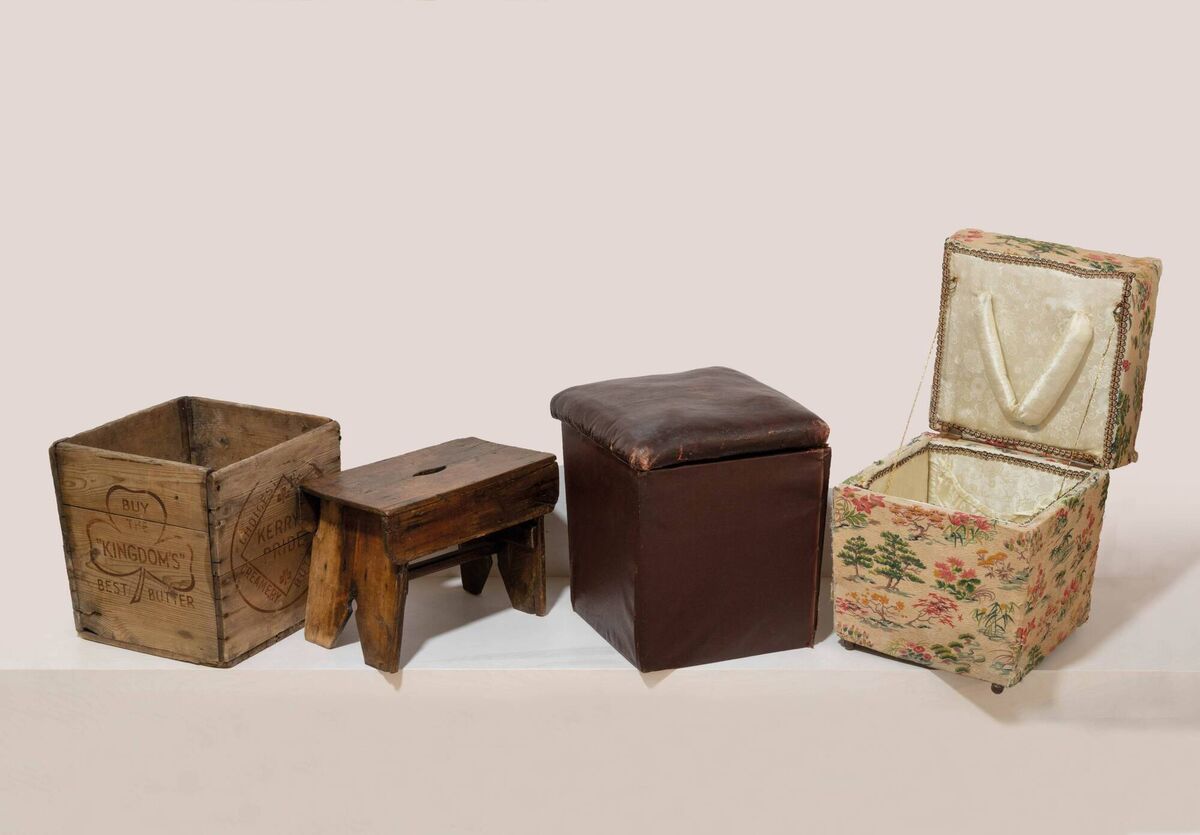
Butter boxes pictured in 'Irish Country Furniture'.

Spanning three centuries of our nation’s domestic past, this book’s almost a prized artefact in its own right. It’s got 120 more illustrations than the first ’93 iteration, too.

There’s an extra chapter or two and the period 1950 to 2000 has been given an updated yet backward focus. Many of the original 19th-century images are now coloured, for emphasis and richness.

And, the many references to the “simple things” from a notional past, like baking boards and bastibles, fire cranes and creels and home baking are now, in Covid-19 times, back, albeit not quite bang-up-to-date, more in the way of banana breads and sourdoughs than soda loaves as an outcome.

How bad? The more things change, the more they stay the same?

  • Irish Country Furniture and Furnishings 1700-2000 authored by Claudia Kinmonth is published by Cork University Press, at €39

x

More in this section

Revoiced

Newsletter

Had a busy week? Sign up for some of the best reads from the week gone by. Selected just for you.

Cookie Policy Privacy Policy Brand Safety FAQ Help Contact Us Terms and Conditions

© Examiner Echo Group Limited