Peter Dowdall welcomes us to Ireland's garden of tomorrow
Begun in 1865 by Edward Walpole, Mount Usher is an excellent example of a Robinsonian garden. But just why is it so special? 
Peter Dowdall welcomes us to Ireland's garden of tomorrow

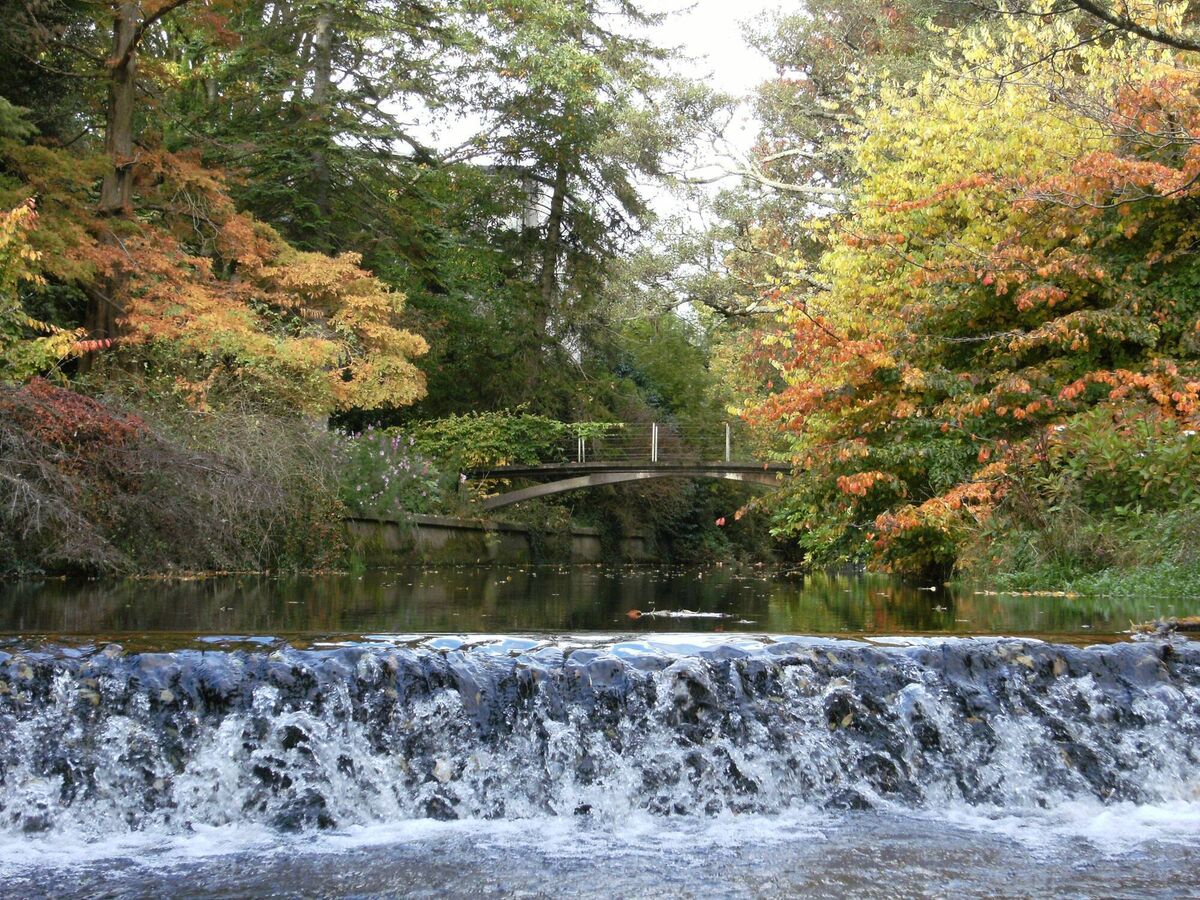
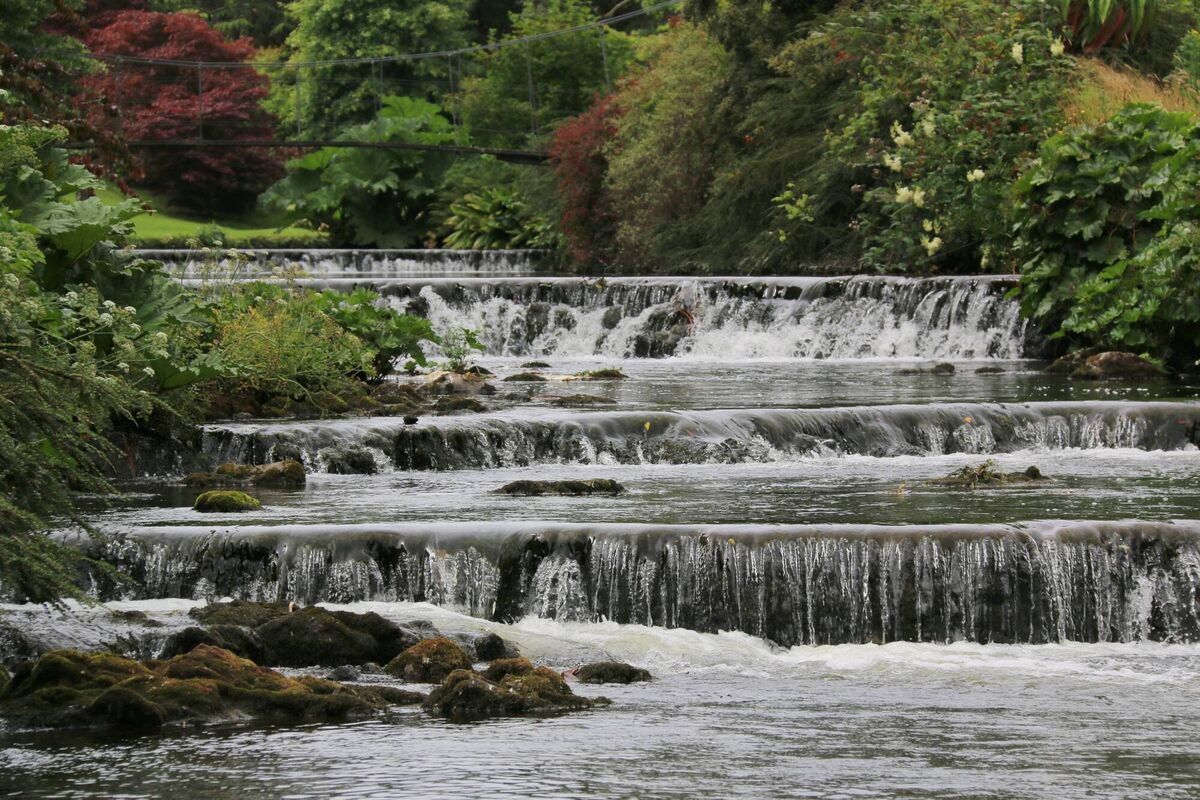
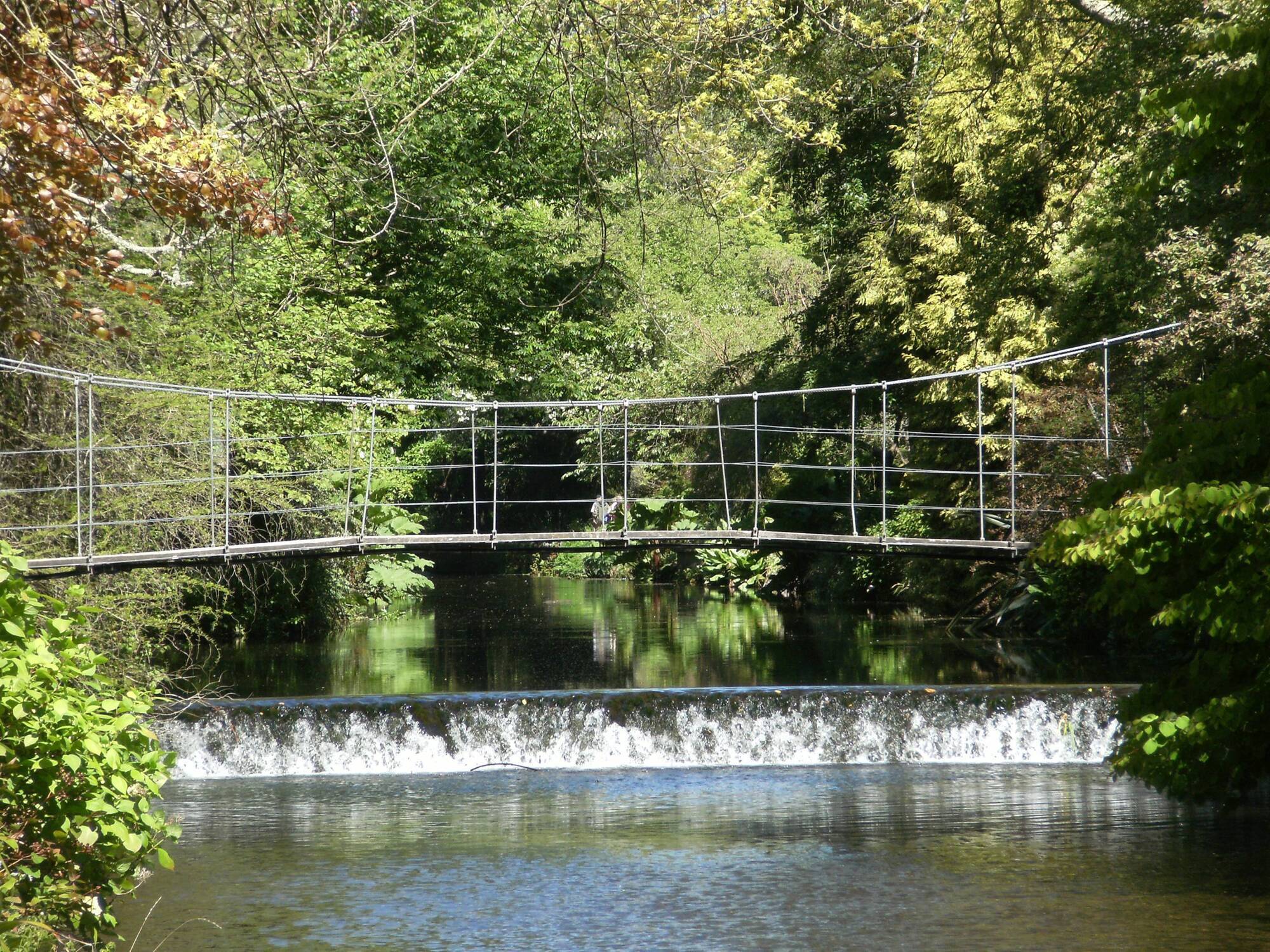
The weirs, designed and constructed by Thomas, son of the garden founder, Edward Walpole are still doing their job today and are a beautiful feature of the garden in Mount Usher.

It was Audrey Hepburn who said that “to plant a garden is to believe in tomorrow”. Well, the creators of the garden in Mount Usher not only believed in tomorrow but also the day after and the day after that for this garden was 115 years in its creation.
Begun in 1865 by Edward Walpole, the garden spans a massive 22 acres and it remained in the Walpole family until 1980.

Edward’s sons continued to further design and plant the garden around the focal point of the Vartry river.

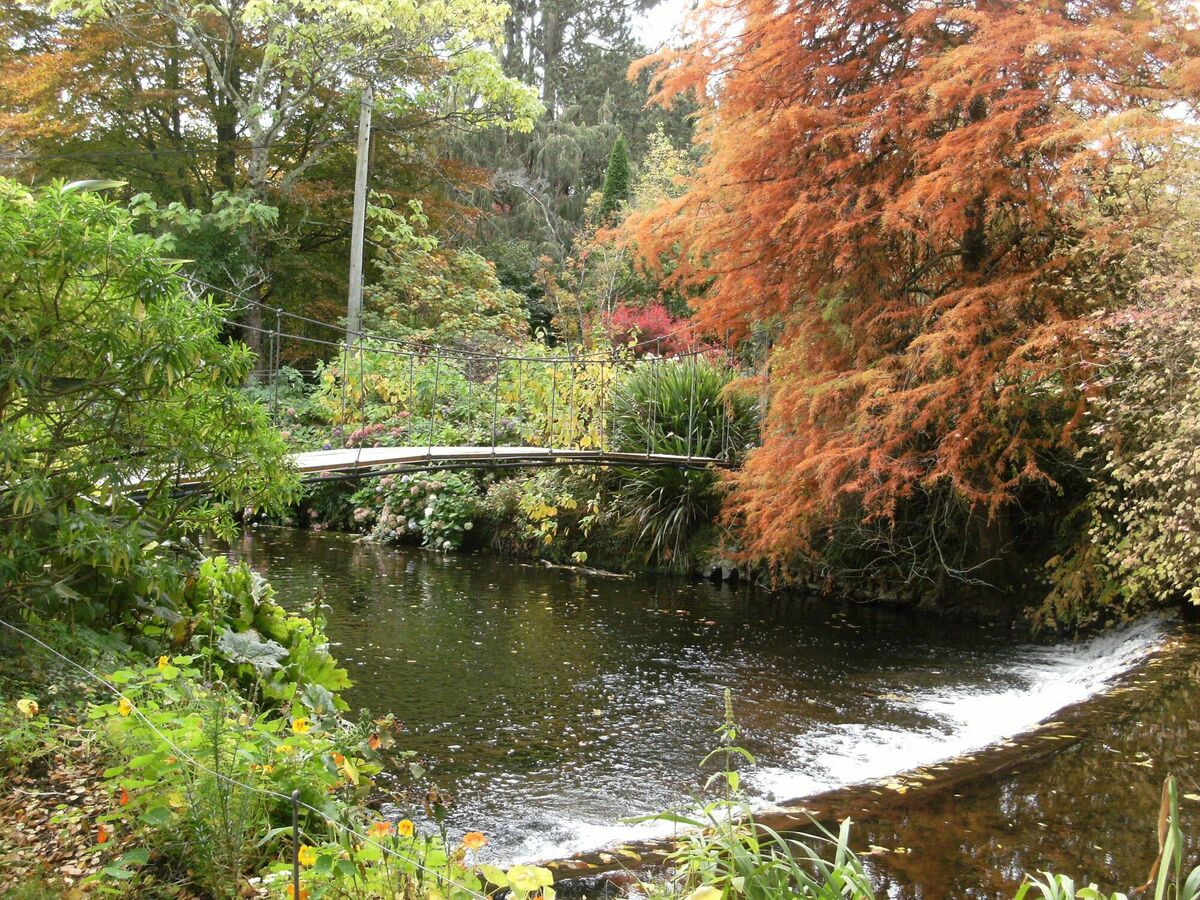
At the time, the river used to virtually dry out during the summer months and one of the sons, Thomas, an engineer, designed and constructed weirs on the river to counteract this problem.

These self-same weirs are still, to this day doing their job and on the day of my recent visit, they were in full flow and looking fantastic.

What the Walpole family began in the 1800s hasn’t just developed into a garden, rather it has developed into one of the finest gardens in these islands and perhaps the greatest example of a Robinsonian garden in Ireland.

The Walpoles were greatly influenced by William Robinson, who was one of the most influential garden designers of the time.

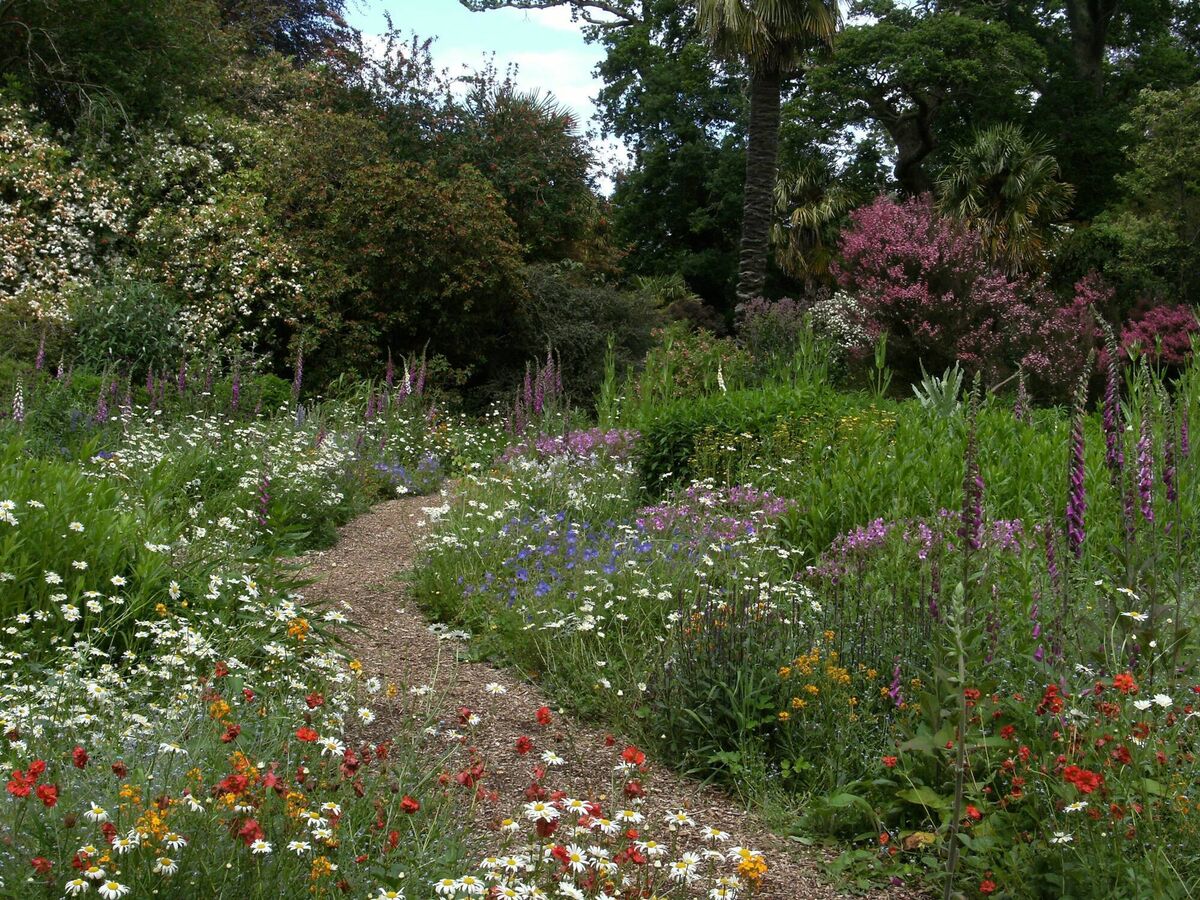
Robinson promoted the idea that gardens should be less formal and more in keeping with the greater landscape — and so it is here in this garden in County Wicklow.

Robinson believed that gardens should be maintained naturally and that ethos has not just continued today but has been reinforced since 1980 when Madelaine Jay took over the property.

She was against all forms of garden chemicals and as a result, head gardener Sean Heffernan and his team of four full-time gardeners maintain the entire 22 acres with no chemical weedkillers or pesticides — proving to all that such a high standard can be achieved and maintained without poisoning the ground and surrounding wildlife.

Robinson’s style of design, which can be appreciated here, perhaps more so than anywhere else in Ireland, means that a visit to the garden is a most relaxing experience.

Paths wind along to open up into expansive lawned areas which look out upon the water. Long beds of rhododendrons and azaleas will enchant you with their beauty, insisting that you walk a little bit further and then further still as you become a part of this magical space during your visit.

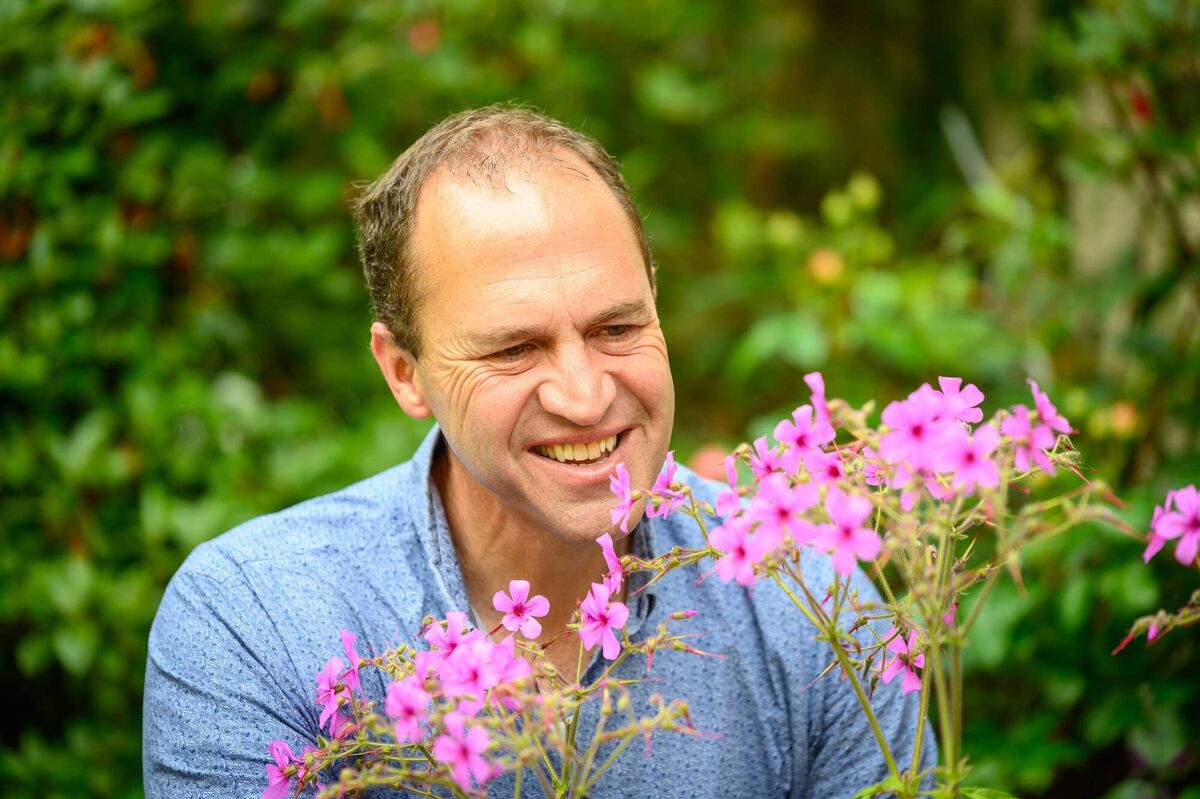
Irish Examiner gardening correspondent Peter Dowdall.

Whoever created these paths knew visitors would get lost. It happened to me. As soon as I had turned a corner I no longer knew my way out, but why would I want to?

For that’s what nature does — it envelops you, it permeates all your senses and completely brings you in so that you become part of the garden while you are there.

Robinson understood this and I am certain that whoever created these paths originally knew that visitors would get lost and lose all sense of from where they had come and to where they were going. It happened to me, as soon as I had turned the first corner I was gone, I no longer knew my way out, but why would I want to?

For that brief period that I was in Mount Usher, I was part of it, the energy travelling from the soil and into the plants all around me was nearly visible after all the recent rains. I could smell, the rising sap and evaporating vapours along with the sweet scents of sarcococca, drymis, and daphnes.

I could see the swollen, fat leaf buds bursting out of their dormant winter slumber and I could hear birdsong, flowing water and the odd buzz of a bee. I knew not where I was but I was there, lost in this beautiful, natural space.

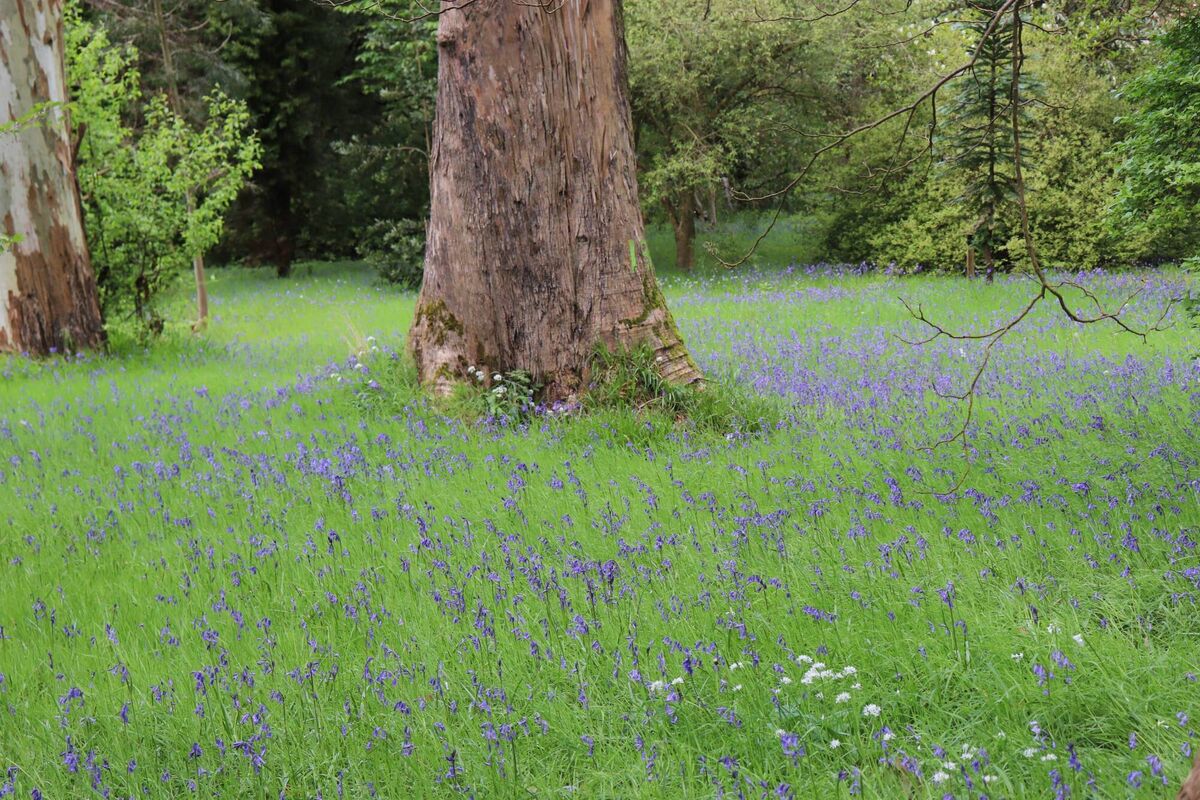
If to plant a garden is to believe in tomorrow then to plant a tree is truly to believe in the next century and it is only now that we really get the benefit of much of what the Walpoles planted over 150 years ago as Mount Usher is now home to 32 of the champion trees of Ireland.

A champion tree is an exceptional example of a particular species in terms of size, rarity and historical significance and there are 32 of them here.

I could list the species of plants which grow here, I could tell you about the national collections of eucryphia and nothofagus, about the trachycarpus which was planted near the original house and still stands there, having witnessed much reconstruction and change throughout the years.

I could go on to wax lyrical about the tender Cordyline indivisa species which are growing here as happily as if they were in their homeland of New Zealand and the eucalyptus which are among the oldest and most impressive and beautiful that I have ever seen in Ireland.

But to do all that tells you about some of the plants and nothing about the place. For you do not need any knowledge or appreciation of plants and Latin names to enjoy this superb space.

Suffice to say there are currently over 4,500 different varieties of plants growing here, many of which are, of course from the original plantings but in fact, it is not true to say that Mount Usher was 115 years in creation for it is still being created.

Like any garden, it is never finished, a garden like this is a living showpiece, nature being what she is, things constantly change. In the intervening years, there have been victims of storm and disease which needed replacing and trends too change and plants which may have been quite the thing in the early 1900s may now not even be available.

The man continuing the work here is head gardener Sean Heffernan and if ever there was the right man for the right job then Sean is that person. In the same way that Mount Usher consumed me on my brief visit, Sean seems too to have given up on such mundane matters as recording time.

When I asked him how long he has been here, I was met with a non-committal “I always say that I’ve been here about 13 years but I have no idea for how long I have been saying that”.

He is positively effusive about the place, showing me particular specimens and varieties as proudly as if they were his children.

Sean has worked here since Madelaine Jay’s time and every time I asked him about her a smile would come to his face.

She clearly had a deep love for Mount Usher as, in purchasing it she saved this special corner of Ireland from the developers and the otherwise, inevitable, diggers and apartment blocks. Her ashes, along with the remains of her beloved dogs, are all buried within the garden.

She was lucky to have found a kindred spirit in Sean with whom she could discuss and manage the garden.

The estate passed on to Madelaine’s son Konrad and he now works closely with Avoca who took over the management of the garden here in 2007.

They have since developed a café on site and are working hand in hand with Mount Usher to develop the Avoca concept here.

It seems that Mount Usher’s continued security is written in the stars.

After Madelaine Jay;s passing the relationship with Avoca has breathed new life into the place.

Managing and maintaining a garden of this scale and to this standard isn’t cheap and these can be difficult places to make commercially successful and thus Avoca’s arrival has, according to Sean “breathed new life into the place” allowing “things to get done”.

If Sean is as good a fit as you can get for the head gardener role then I think that Avoca fit just as snugly as the gatekeeper for the gardens. After all, colour is synonymous with their story.

Starting off as a handweavers, it was the natural vegetation and the wild cover of the land that were used originally as dyes for their wools.

Avoca evolved from a small weaving Mill into that of an iconic Irish food and retail destination spanning over 14 stores throughout Ireland.

In keeping with the Avoca ethos of organic and sustainable food from the land, it seems fitting that they would be the caretaker for these stunning gardens.

Avoca hasn’t come in and over-commercialised the gardens here — no, the two are connected on a path that is sustainable and like nature herself, educational and ever-changing.

More in this section

Revoiced

Newsletter

Had a busy week? Sign up for some of the best reads from the week gone by. Selected just for you.

Cookie Policy Privacy Policy Brand Safety FAQ Help Contact Us Terms and Conditions

© Examiner Echo Group Limited