Our top London Design Festival finds from over the years
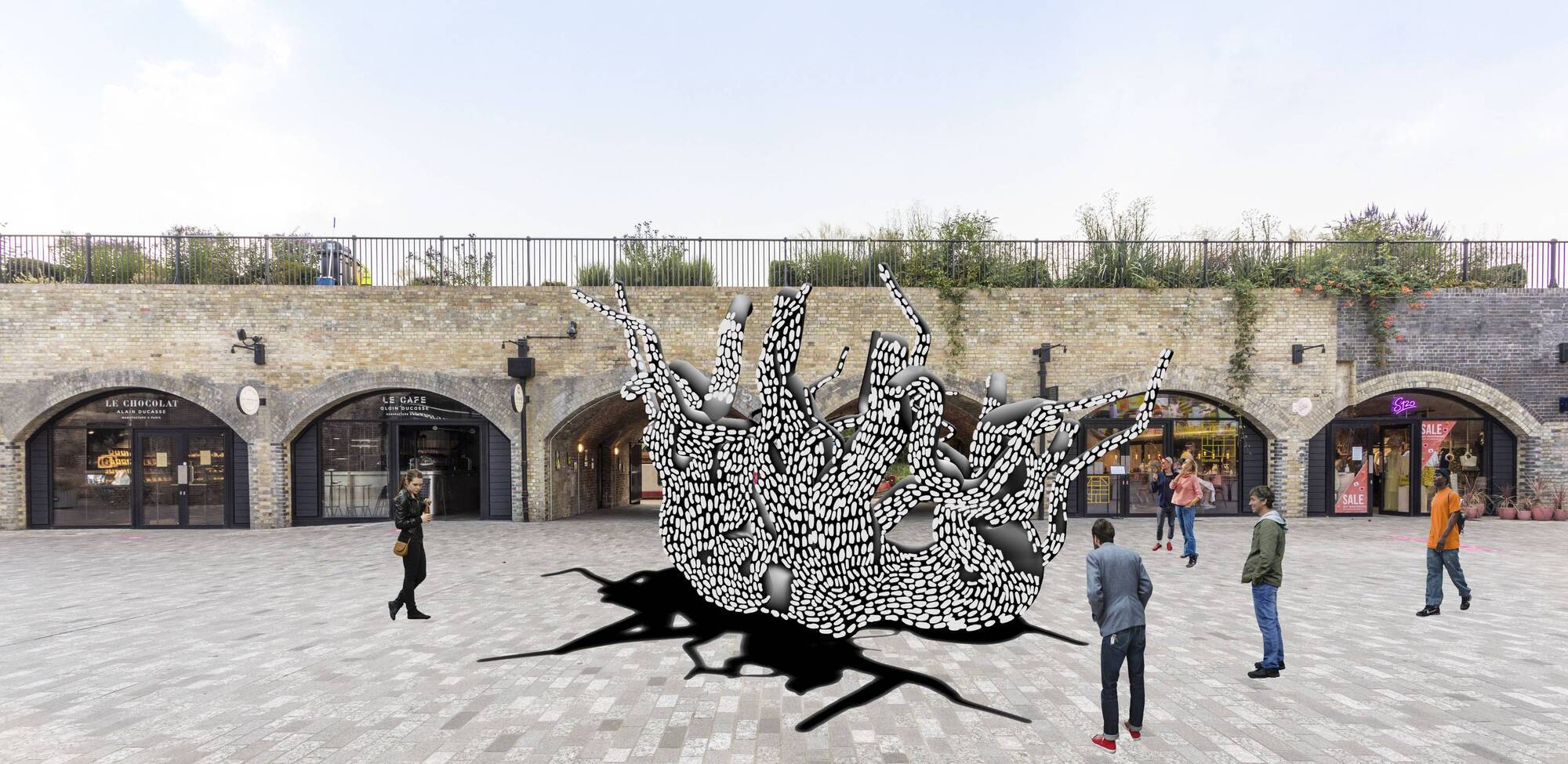
French designer Marlene Huissound was commissioned by the London Design Festival to make Unity, an installation open to the public at Coal Drops Yard, King's Cross.
WHILE my feet are grateful for this year’s respite from miles of trekking back and forth around London’s exhibition venues, I’m missing the excitement of gorging on the latest in everything from fabric to furniture and lighting to kitchenware. Doing it online isn’t quite the same thing.
Maybe that’s a blessing in disguise as I’m also foregoing exercising restraint in shopping as an irresistible gadget might add weight to hand luggage and catch the beady-eye of a flight attendant scanning for overweight carry-on bags.
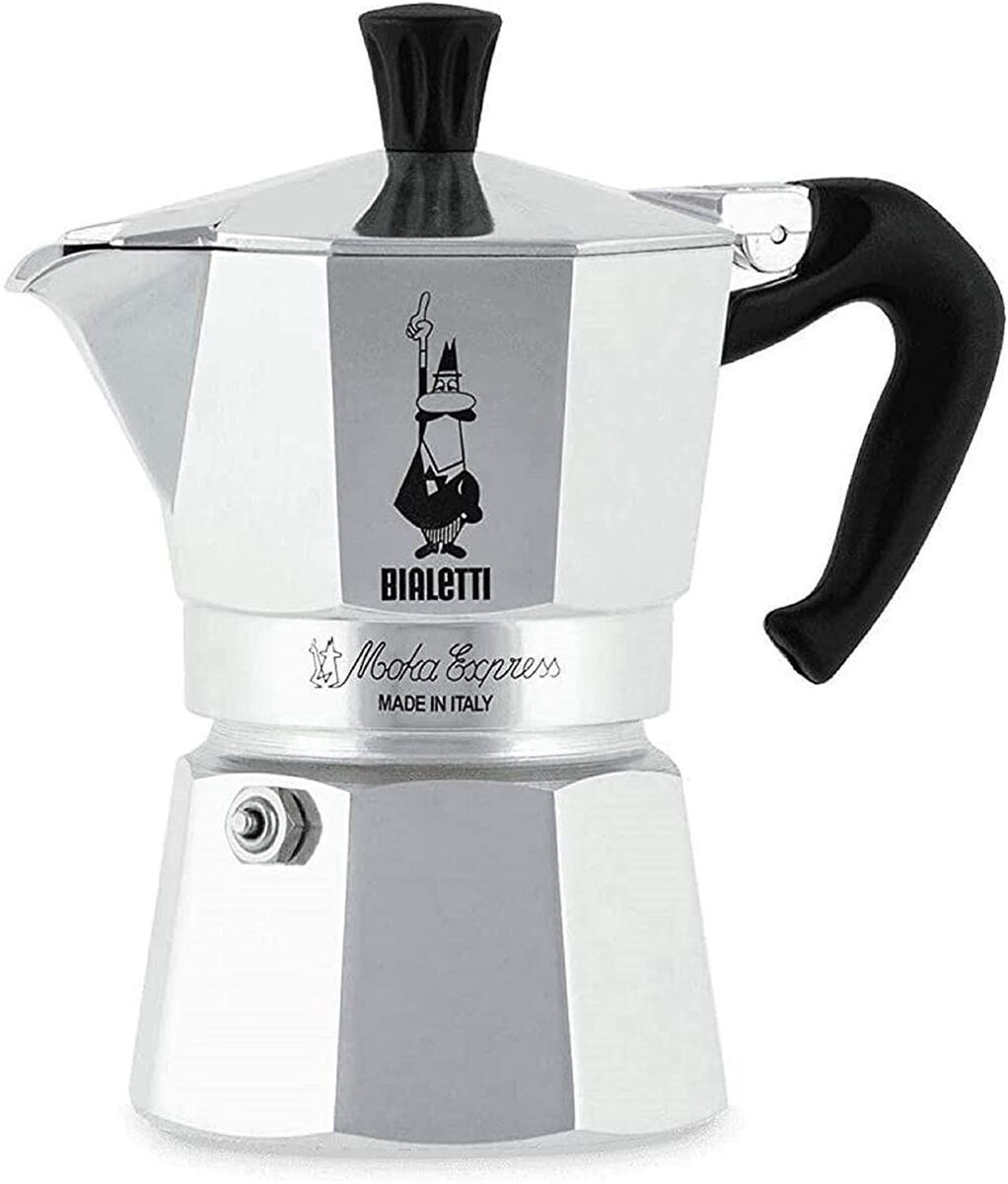
But if there’s one thing I’ve enjoyed the most over the years it’s learning the value of good design, especially where it’s as relevant functionally and aesthetically today as when first designed, something I’m reminded of every morning as I strike a match and light the gas under my little Bialetti coffee pot.
Bought a few years ago at the festival, I was drawn to it by the shape which I guarantee you’ll know by sight, but what’s little known is how it was designed in Italy (where else?) in 1933 by an engineer, Alfonso Bialetti.
Today it looks neither dated nor fashionably vintage but timeless and indestructible.
I’m fond of coffee pots in general and even though I’ve gone through phases of drip filter versions and cafetières, one by one they’ve been sequestered to the back of a kitchen cupboard while my little Bialetti prevails on the hob, thanks to its good looks, simple assembly and the all-important ease with which it can be cleaned. It’s also affordable, with the smallest version retailing in the region of €30. As long as you don’t use the Bakelite handle as a lever to open and close it and break it in the process, this little pot will last indefinitely.
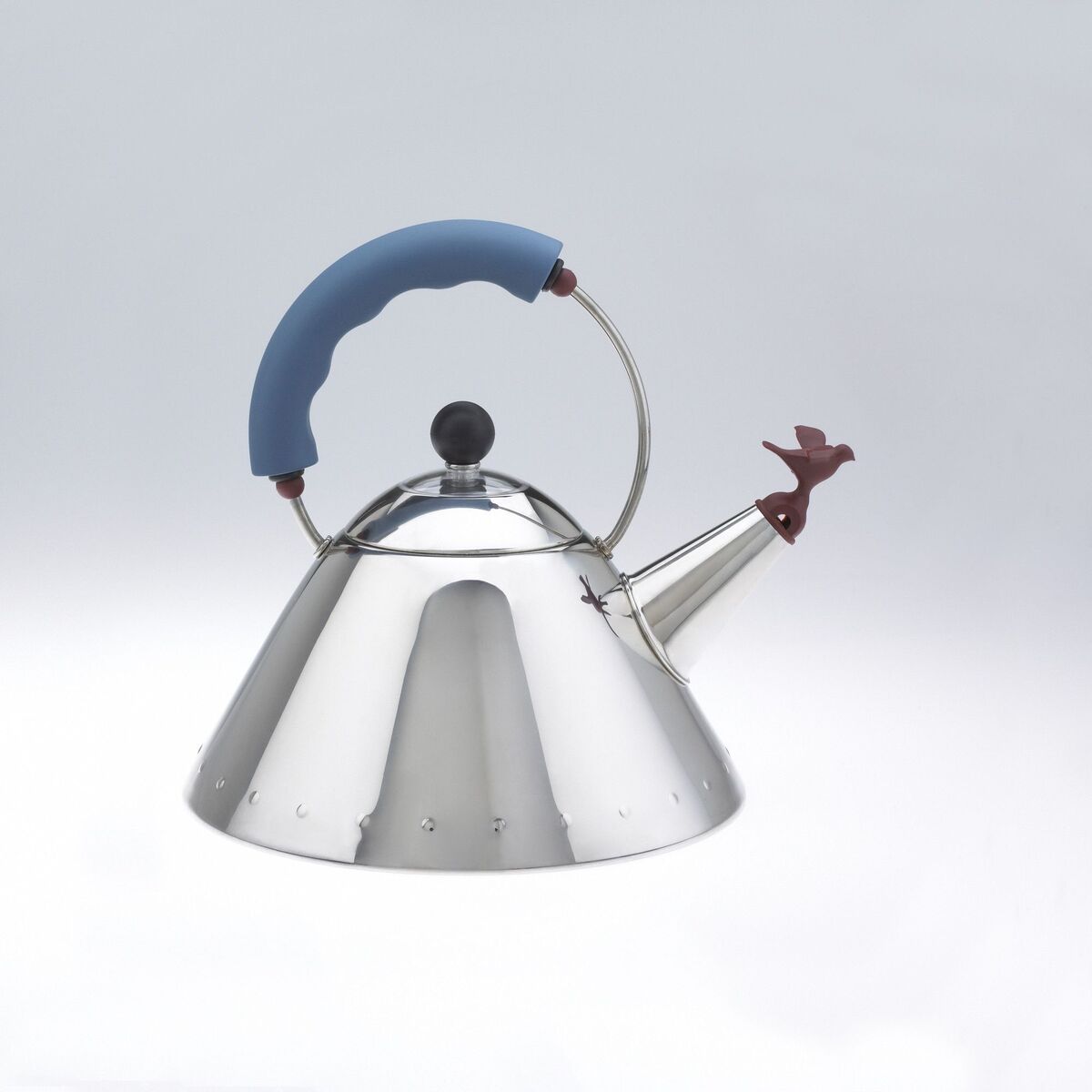
Another near-irresistible product is the Alessi Whistling Bird kettle by American architect Michael Graves. It strikes just the right note in terms of looks and function, and like many other Alessi products it has a little element of wit.
Such are its good looks you’ll see it pop up in the background of high-end interior design programmes and on film sets, and even spot it in the collections of London’s V&A and the Museum of Modern Art in New York.
But what might come as a surprise is knowing it’s a product of the 1980s, a decade of corner china cabinets in faux mahogany veneer and matching faux Regency dining table and chairs; the home interiors equivalent, if you will, of shoulder pads, bouffy hairdos and Joan Collins.
It’s higher up the price chain and much as I coveted the shiny stainless steel construction, its cool blue handle to suggest it’s safe to touch, and the fun, bird-shaped whistling element in red to warn it might be too hot to handle, and how it has never dated, a touch of parsimony has stalled any notion I might have had of spending €130 to boil water for an aul’ cupán tae.
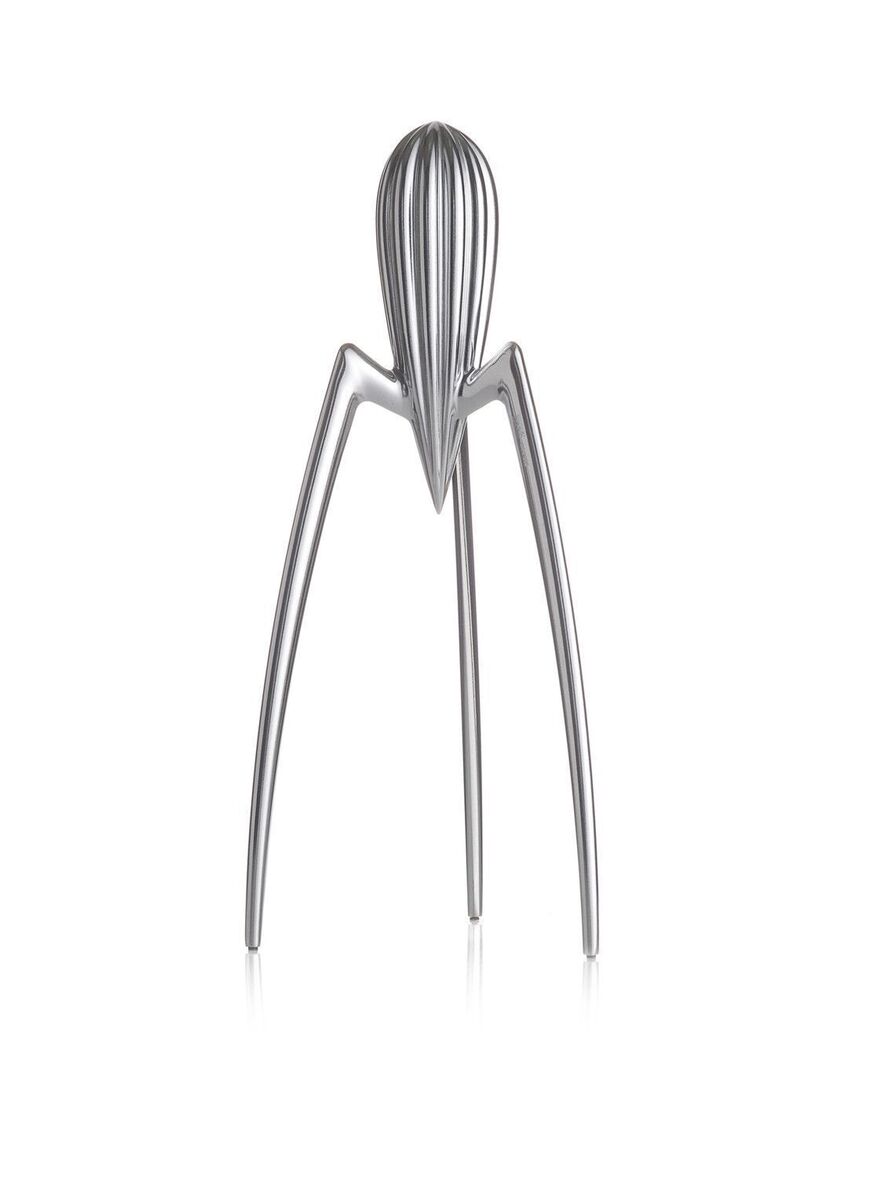
The craze for large glasses of freshly squeezed orange juice also came out of the ‘80s and while we have graduated onto green juices and smoothies as the healthy way to start the day, French designer Philippe Starck came up with the eye-catching Juicy Salif citrus juicer as the antidote to dealing with messy fingers from squeezing lemon onto seafood while holidaying on Italy’s Amalfi coast. His initial design started as scribbles on a paper napkin, and later became what I envisage a glamourous, svelte alien might look like should I ever encounter one.
Seeing it for the first time at the festival on its 25th anniversary, I had no idea it had any function, perceiving it to be a post-modern version of a knick-knack, all style and no substance. Turns out I wasn’t far off as it’s not exactly efficient at the job it was designed to do.
Accusations in the design world prompted Alberto Alessi whose company produced it, to say it intentionally made fun of the idea that form should follow function, so unless you want this stylish art piece simply to grace your worktop and bag the accompanying bragging rights that it’s in museums worldwide, but have to fall back on a euro shop version to get lemons juiced mess-free, I’d keep the €62 it’s currently retailing at in my pocket.

CONNECT WITH US TODAY



Be the first to know the latest news and updates