Renegade cattle make bid for freedom
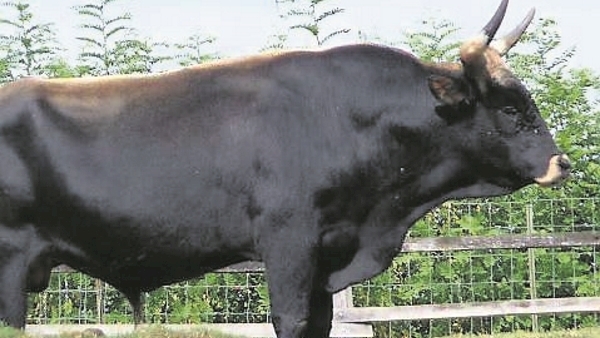
Eight years ago, a small band of cattle made a valiant bid for freedom.
Catherine Edwards, writing in the Italian English language news-sheet The Local, described what happened. She says that the cows had been brought to the Apennine communes of Mele and Masone, near Genoa, Italy, in the 1990s, as part of a European farming project.
It was hoped that, by grazing the vegetation, they would reduce the risk of wildfires. When funding for the project ceased, the council decided to abandon it. The police were ordered to round up the animals and send them to the abattoir.
However, catching the cattle proved more difficult than expected. The semi-wild cows had become streetwise. They were agile, able to run fast and jump over obstacles. Some were captured but others, including a bull, made a run for it and vanished into the forest. They, and their descendants, have lived wild ever since. At least six individuals can be identified from photographs but it’s not known how many there are.
Reverting to the ways of their ancestors, the feral beasts spend the daylight hours high in the mountains. Like deer, they descend to feed at night.
Though no threat to people, the renegades damage fences, break into gardens and devour crops.
This has not endeared them to the locals. Not classed as wildlife, they have no legal protection, nor can members of the public claim compensation for damage they cause. With wolves and unscrupulous human hunters on the prowl, a ‘guard cow’ acts as sentinel while the others graze. She alerts her comrades at the slightest sign of danger.
Catching even a glimpse of the fugitives is difficult. Cameramen used video traps to film them. As their plight became known, public support for the ‘rebel cows’ began to grow. Photographer Paolo Rossi made a short film about the great escape, featuring interviews with residents, the mayor and wildlife experts.
That cattle, so long domesticated, are still able to fend for themselves in the wild is remarkable. Evidently the survival genes of their ancestor, the wild auroch, are still present. ‘Briseann an dúchas tri shúile an chait!’
Aurochs roamed Europe until they were hunted to extinction for their meat. Some survived in Britain up to 3,000 years ago but no trace of them has been found in Ireland. By 1584, just 38 of the great beasts remained in Poland. The last one died of natural causes in the Jaktórow Forest there in 1627.
Although that mythical beast is the ancestor of cattle, the most successful large animals of modern times, its nature is mysterious. We don’t even know, for sure, what it actually looked like. During the 1930s brothers Heinz and Lutz Heck ‘bred back’ what they thought were aurochs. DNA comparisons, however, show that Heck cattle bear no special resemblance to Bos primigenius.
It’s thought that the first domestic cattle were bred from captured aurochs in Anatolia around 12,000 years ago. The family tree is complex, as herders developed strains to suit local conditions. Breeding with bison and water buffalo produced hybrids.
The Italian cattle rising, like our 1916 human one, is romantic but ultimately futile. It’s remarkable that animals, cosseted in domestication, have held out so long.
If there were enough individuals, and they were left to fend for themselves for countless generations, the result would be fascinating. Would something resembling the lost wild auroch eventually emerge?

CONNECT WITH US TODAY



Be the first to know the latest news and updates