VINTAGE VIEW: The period wall mirror
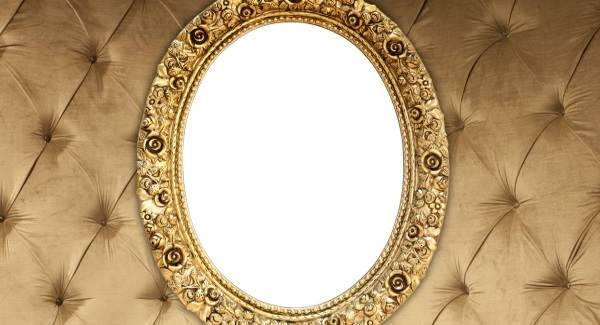
Looking into a conversation piece that's a decorative fix? says a period wall mirror provides a sparkling value-buy.
On reflection, the room mirror has performed as the ultimate alchemist of light for centuries.
Well placed, even modest mirrors bend and expand perceived space all over our homes. Georgian pier glasses, jazzy Art Deco geometrics and exquisite Edwardian hand mirrors are regulars of any mixed antique auction.
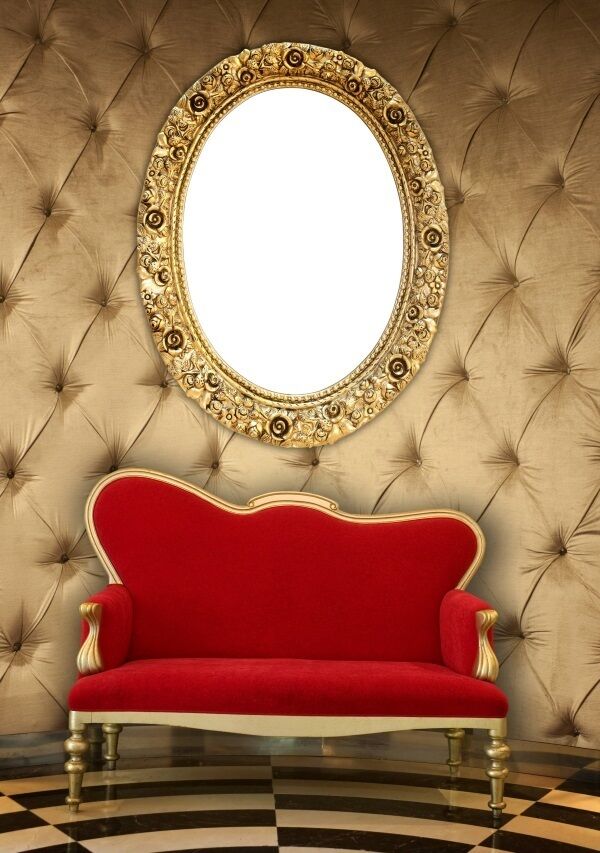
Middling ‘brown’ timber pieces and mirrors orphaned from original furniture are often catalogue ‘sleepers’ and can go for remarkably low bids.
To introduce a period piece, a single extravagant mirror or flock of smaller glasses working as a single group, can work magic. Because this vintage element is up off the floor — it’s a relatively discreet addition,easily immersed within a run of artwork if you don’t want to grandstand it.
The most impressive visual effect (as with any mirror) is to dramatically open voids in walls and amplify light, bouncing lumens back into the room. Anything you place directly in front of a low mirror is gloriously doubled up — flowers, a lamp, a sculpture, a view, anything.
Set up more distant reflections of your favourite decorative pieces in any room, posing your mirror at an oblique angle to pick them up.
Use taller mirrors to push the ceiling back, and longer pieces to stretch out stumpy walls.
Authentic, early mirrors are very thin, and delicate. Take a pencil, lead down, and hold it to the glass. If the reflection is just about touching the tip of the lead, the plate is thin and the mirror antique.
Failing mirrors, where the layer of silvering has blistered and shed some metal, are highly prized. Their imperfect, bruised polish gently scatters light, and shows any face as softer and younger.
An original, unique, atmospheric reflection is almost impossible to replicate, so if you’re working on the frame be extremely careful not to twist or rough the old glass around.
Most elderly mirrors quietly signal the popular architecture, fashion, timber and ornament of their time.
The tracery of the frame, unless heaving in Victorian carving like golden broccoli, will embrace the reflection rather than hitting you over the head with an overstated ‘look’.
For early frames from the 18th to mid-19th century in wire, plaster, gesso and gilding — consider leaving small amounts of damage alone.
Clamp any hefty frame securely to the wall at several points. Determine what surface you’re securing the mirror to (block, plasterboard, etc) and use suitable anchors. Mirror plates are a type of applied mount that sit flat to the wall (they look like tiny ears once applied) and are useful for mirrors because they prevent the reflection dipping to the floor as with a standard cord.
Angle brackets can be used on the reverse of a vintage frame to strengthen the joints at corners. Leave that valuable antique mirror to a specialist for any reinforcing.
For flash in those reception rooms — the bigger the better. Look for thick, goldenRococo frames with heavy relief carving, flat Georgian fretwork styles (with a bit of gilding) or a Venetian-inspired mirror with an etched, faceted mirrored frame. Dress with flanking artwork or lighting sconces.
Don’t rush to obliterate faded grandeur with a vivid new metallic or painted finish. Cracked glazed distressing or slight chips to veneers? Leave them alone.
Staging large, voluptuous mirrors on the floor can look fantastic, but don’t consider it for one second if you have speeding children in the house (lethal outside of a magazine spread).
Also be careful about putting mirrors over the fireplace if there’s the least chance of anyone being drawn too close to an open fire or hot stove to fix their face.
Many a Victorian woman went up like a Roman candle when her hooped skirt dipped into the embers.
A boring run of wall or cramped, dark corner in the sitting-room? Choose a sofa, or two enveloping armchairs with low, rolled backs.
Place them in front of a really large mirror dominating at least half the wall height and scaled to the length of the seating group.
You can even cut a corner of the room with the mirror if it’s set on the floor and secured at some point directly to the wall. Soften the French salon style grouping with large, feathery, bowing potted palms- dreamy decadence.
In a bedroom, a mirrored over-mantle or old chiffonier top (from furniture that has been taken or fallen apart) can make a stately headboard that reads as impressive fixed architectural detail.
Ensure the glass is secure inside the frame and avoid having your head or shoulders touch the glass — not entirely safe if you’re lively under the covers. Hang the mirror high enough to clear your head when sitting up, with the comfort of a standard low upholstered headboard to support your pillows.
Full length, cheval dressing mirrors on stands (chevalor ‘horse’ points to the four hoof supports) — are worth looking out for even in reproductions.
Even a small space won’t be overwhelmed by the window-like effect of mirrors. For something versatile to say climb the stairs, a harlequin set of handmirrors hanging handle down, will shine out like scattered diamonds. Keep them close enough to relate to each other just as you would with a set of pictures.
For entrance halls and slips of wall-space, complete long, slender mirrored doors freed from dilapidated 19th-century wardrobes have lovely proportions, ideal for a Georgian style ‘pier’ glass.
Look for sumptuous veneers and winkle off the old hinges. If the timber is sturdy but boring, sand lightly and paint in a water-based matt paint.
Using a rag, work wax or a smear of dark water based paint into any carved detail. Leave the lock-plate or handle in place to record the door’s honest history. Add a console table for added grandeur.
You can assemble your own mirror or enlist the help of a framer using a lovely old picture frame that has lost its staring artwork. You’ll often find pieces with awful prints just parked in older frames. Again, you can lightly remove the old finish, or even completely renew the paintwork or gilding.
Consider the fascinating juxtaposition of the taut new glass against the distressed mottled old surround — more interesting. Old window frames from sashes to early 20th-century metal frames can also be re-purposed as gigantic, feature mirrors. Craftsman’s work.
CONNECT WITH US TODAY



Be the first to know the latest news and updates