Planting in yearly cycles is great for plant and plot health
Fiann Ó Nualláin says planting in yearly cycles is not that complicated.

Planting in yearly cycles is great for plant and plot health

Crop rotation is not some complex mathematical equation or demanding astrologically-divined system that one must master or be doomed. But it is one of those subjects that can put newcomers off.

It’s not as daunting as one might think — more knowing the traffic lights than the entire rules of the road.


Really, it is just a simple rule that benefits the health of the edible plants grown by this method, while also bolstering the efficiency of the productive gardener so that sustained bumper crops are achieved year upon year.

OK, there is a bit of agricultural science behind it, but in essence it is simply not planting the same vegetable type in the same position in two consecutive years.

That’s it. Do that and you’re laughing. Red is stop. Green is go.

The big idea is that if you continue to plant the same vegetable in the same spot, year upon year, then any pests or diseases that favour that plant are likely to build up in that spot and attack and diminish your crop more and more each time.

So, say you like to grow spuds, well potatoes can attract nematodes — wireworms that burrow into the tasty tuber and make it rot in the ground or rot during storage and be inedible when harvested.

I don’t care if you can stomach reality TV and eat kangaroos’ backsides from one end of the day to the other, a wormy potato is a line nobody wants to cross.

So instead of having to say “I’m a Giyer get me outta here”, all you do is get the spuds out of there and next season plant in a different location leaving any nematodes behind in the old potato bed to tire themselves out burrowing around in circles looking for tubers that don’t exist.

That doesn’t mean that your plot has to stay dormant: You can plant it with a crop that wireworms don’t affect.

Keeping your crops moving ahead of crop-specific pests and diseases that can linger in soil, also lets you manage fertility more efficiently too.

You can structure the move so that your rotations not only organise your crop groupings according to their nutritional/cultivation needs, but, as a bonus, you can work the system to your own time-saving advantage.

Potatoes are heavy feeders and, over the season, will impoverish the soil they are grown in, so instead of having to dig in plenty of manure and compost to reinvigorate the location, we can elect to plant a crop that likes poor soil and will do all the better for following potatoes in that spot.

Likewise, peas and beans do this wonderful trick where they take atmospheric nitrogen from the air and process it through their stems to their root system and make it more bioavailable to the soil, soil bacteria, and to any plant grown in that spot next season. Nitrogen is a growth hormone to plants.

So where peas have been, will be super rich for leafy veg or indeed for those hungry potatoes.

So rotating your crops around various locations not only keeps us a step ahead of pests and diseases, but means we can be ahead of play in those conditions certain crops need to perform, and all without having to break a sweat and waste a weekend trying to make a corner less or more fertile.

Following this natural rhythm brings success and if you want, a little smugness — but if you prefer total harmony — there is a job satisfaction and a peace of mind that comes from growing with, rather than against nature, and sometimes the best skillset is a bit of knowledge.

The next step is the reminder that those traffic lights we spoke of, also include amber.

And in that pause we can nuance our rotations to suit our growing preferences.

So rather than randomly moving crops around and trying to remember when was the last time I had cabbages there, or over there, the rule can be less of a guide and more of a system.

Some growing experts — and a lot of books — will recommend a three-bed rotation where bed one is potatoes, bed two brassicas, and bed three is quite cluttered, containing legumes (peas and beans) and also onions and root crops.

Personally, I think it’s a stupid system — firstly onions and garlic like poorer soil to intensify their flavour and healing phytochemicals, but the legumes growing in the same place feed the soil and cancel that out.

And as some roots are brassicas— there is a bit of “am I doing this right?”. Giying should not be a panic; it should be enjoyable, easy and rewarding.

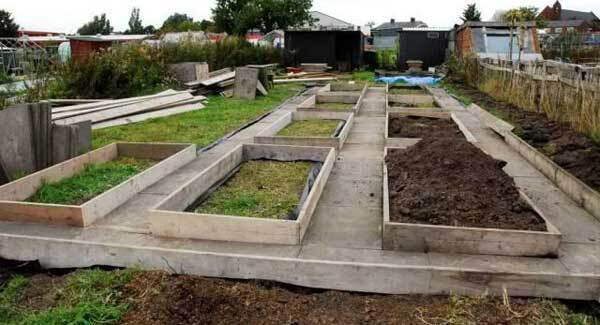
So forget three beds and aim to have at least quadrants of four and plan to move clockwise with plantings so you can plan what will follow into what bed next. If you grow a lot of varieties, then you might like a six-bed rotation or more.

I have a seven rotation system not because I’m a show-off, but because I like one bed to be permanently full of perennial veg (asparagus, globe artichoke, edible bamboo etc.) and they don’t need to move at all.

One is brassicas only (cabbage, sprouts, kale, cauliflower, swede and turnips, (they all like the same soil fertility level and the same cultural conditions and I only have to net one spot against their pests).

I prefer to separate out legumes on their own, so while mangetout, peas, runner beans, broad beans etc, are good to go anywhere, I use their nitrogen-producing capacity to make that bed super-charged to take potatoes next year. I will still dig in some well-rotted manure but the job is half done and 100% organic.

I do separate out a bed for onions and include with it garlic, leeks, shallots — all like the same conditions and in neat rows I can be super-efficient with the hoe or sow extra salad leaf between the rows.

Potatoes grow best alone so that’s a bed to themselves but I do sometimes edge them with chives or French marigolds (Tagetes spp), as the pungency of chives confuse nematodes and marigolds secrete natural chemicals at their roots that kills nematodes.

The chives I harvest to eat with the spuds, and also to make sulphur liquid spray that works like garlic to kill aphids on beans and peas, but which also boosts the immune system of chloric (yellowing) leafy veg and salad crops.

The chives transplant well to a new position every year and the marigolds are annual and come as fresh bedding each year anyway.

I like a bed dedicated to roots as there are enough of them to grow — carrot, beetroot, celeriac, parsnip and with these I can plant fennel, celery and even some extra parsley — I opt to keep the turnips and swedes with their cousins in the brassica bed.

Then, last but not least, I have a bed for tomatoes and salad leaves (from lettuce to edible weeds like chickweed).

Tomatoes can be grown with potatoes as they are in the same botanical family and again those received-wisdom experts may suggest this, but if blight or other fungal disease hits the potato patch it will hit the tomatoes growing beside them too.

I like the idea of a separate salad bed anyway — keeps everything compartmentalised, which is helpful with productive gardening.

There are crops that seem outside the neat rotations, items such as courgettes, pumpkins, squashes and other cucurbits as well as sweetcorn and chicory, but they are all adaptable and will grow on the edge of any of the beds.

Personally, I’ve given up on sweetcorn. I don’t eat it so why grow it, and it’s a lot of water for small yield. The key to success in edible gardening is to grow what you like to eat and what you and your family will relish, so it means no waste and no wasted time.

Chicory is cool and I do try forcing it in old wine boxes in the shed — so I don’t need space in the beds, and as for the cucurbits they excel on top of a compost heap where the heat and nutrition give them great growth and yield and you won’t have to sacrifice half a bed of cabbages for one marrow.

There endeth the lesson in efficient gardening, go in peace, love your neighbour and google companion planting. Amen.

x

More in this section

Revoiced

Newsletter

Had a busy week? Sign up for some of the best reads from the week gone by. Selected just for you.

Cookie Policy Privacy Policy Brand Safety FAQ Help Contact Us Terms and Conditions

© Examiner Echo Group Limited