Bia Beauty, a good diet for your skin
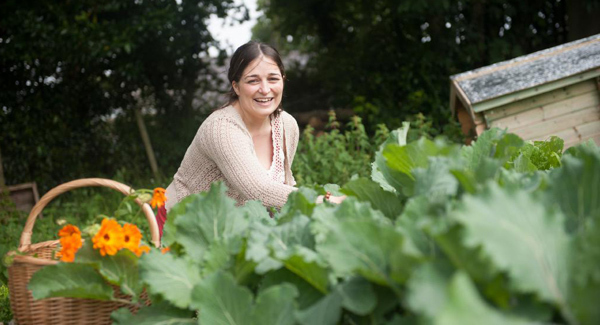
MY four-year degree in herbal science at CIT was like a degree in biological sciences, but with an emphasis on herbal medicine. I studied biochemistry, anatomy, nutrition, etc, but also research in herbal medicine; the properties of herbs; as well as practical labs and a research project.
I was already making skin-care products at home, while I was at college. I’d just had a baby boy and my husband has incredibly sensitive skin, so I was very aware of what we were putting onto our skin and wanted to create my own, natural alternatives.
Then, we were tasked with making a natural product, writing a business plan and selling it, during an innovation module at college.
I had an idea about skincare: if you couldn’t eat the ingredients, then you should not be putting them on your skin, as your skin absorbs about 60% of what you put on it. So I began researching ingredients.
I was experimenting with herbal infusions, nut and seed oils, fruits, etc, and I looked to the food industry for emulsifiers. I thought that I was feeding our skin, literally, and so Bia Beauty was born!
I went off to every farmers’ market and craft fair in Cork, set up a Facebook page to sell them, and had great success. But once the project was over, people kept looking for more and so I thought there might be a business in it.
I won an internship to The Rubicon Centre (on the Model Farm Road, an incubator campus for new businesses), straight after college and there I learned all about running a business, I continued onto the PINC Programme.
From there, I was able to write a business plan and then go to the Credit Union and Enterprise Board for support.
All the time, I kept developing the business as much as I could afford to, packaging and logo first, then website and photography, and so on, until I was ready to launch.
I was also regularly attending courses in the UK on natural skin-care production and compliance with regulations.
Luckily, I then won an online investment competition, which enabled me to move out from the spare room at home into a manufacturing unit. From here, I then felt confident enough to approach shops and distributors.
I launched Bia Beauty in September, 2012. Three years on, we are employing five people and are selling into over 100 stores nationwide, like AVOCA, Blarney Woollen Mills, and Lloyds Pharmacy, and we’ve also begun exporting to the UK.
Not only are herbs a beautiful and fragrant addition to your home or garden, they have so many benefits — culinary, medicinal, cosmetic. I think growing and using herbs keeps us in contact with nature, which is so important in this technology-driven world.
For me, there is nothing more satisfying than making my own cough syrup, or moisturiser, or salad dressing, from plants from my own garden, I can control exactly what ingredients are used and tailor the product to my own needs.
Calendula, also known as pot marigold, is the superhero of plants for skin care. It’s grown in vegetable gardens as a companion plant — their scent deters aphids and carrot root flies. It’s also a beautiful garden flower and, very handily, self-seeds each year.
Calendula has so many uses; it’s anti-inflammatory and soothing for skin conditions, such as nappy rash, acne, cradle cap, eczema.
Topically, it’s very useful for sun burn. It can be made into a tea or infusion and used as an eye-wash for conjunctivitis. Calendula stimulates the development of granulation cells, and so heals damaged tissue.
It’s very easy to make a macerated oil, from Calendula, that can be used for the skin complaints listed above.
Fill an airtight jar, like a Kilner jar, with the flowers, and cover with a good-quality oil, say olive oil, sunflower oil (or my favourite, sweet almond oil) until the herbs is completely covered. Stand on a sunny windowsill or hot press for two to three weeks; make sure to label!
Then strain and squeeze the oil from the flowers using muslin. Use this oil neat on rashes, sun burn, nappy rash, etc.
Chickweed soothes itchy and sore skin, and can be easily made into a macerated oil and used directly on itchy skin, or made into a balm by adding a waxy ingredient, like beeswax or cocoa butter.
Chickweed has astringent qualities, which make it great for drawing out splinters. Apply the juice from some leaves fresh to the area and it will push out the splinter! Nettles make a fantastic hair tonic. Make a herbal tea by placing a handful of fresh nettle leaves in a pot with two cups of boiled water and bring to boil; let simmer for 10 minutes.
Cool, then strain the liquid. Add in a few drops of your favourite essential oil — I would use rosemary for its scalp benefits, and store in the fridge. Pour over your hair in the shower and massage or comb in; let it sit for 5-10 minutes, then rinse.