NATURE TABLE: BUMBLEBEES
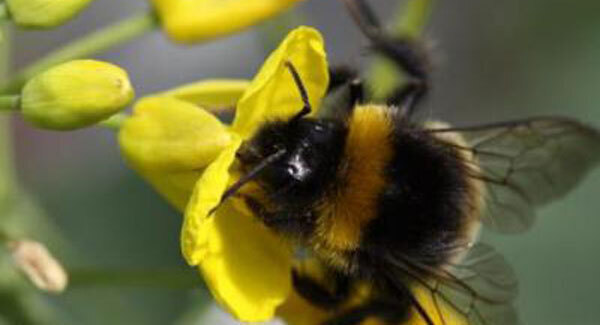
The queens come out of hibernation earlier than most insects, usually in mid March, and fly about searching for pollen and nectar from early spring flowers to rebuild their strength and also for a site to start a new colony. Twenty bumblebee species have been recorded in Ireland, though most are declining in numbers and six are threatened with extinction.
One group, the carder bees, builds nests of moss and dried grass, usually above ground. Most of the others house their colonies in burrows, often disused mouse holes, or in cracks in drystone walls or rock crevices.
The colonies build up through the course of the summer but never approach the numbers in a honey bee colony. Between 50 and 200 individuals is usually the maximum for a bumble bee colony. They are valuable plant pollinators, which means they are economically important.
CONNECT WITH US TODAY



Be the first to know the latest news and updates