Grasp the health power of nettles
THE time has come to relinquish hibernation in exchange for the great outdoors, and not only is it time to start working the soil but also our bodies. While often the spirit is willing, sometimes the body is reluctant to shed the habits of indoor winter activities. Lucky for us, Mother Nature offers us an abundance of deeply nourishing wild greens, such as the common nettle, to boost our energy and make us feel more invigorated.
Even the simple act of going for a walk or getting out into the garden to cut the nettles helps, not to mention that nettle tips are the base ingredient for a super cleansing spring tonic. Certain folk medicine claims that if a plant grows near to where you live or walk, it is a reminder that it is calling to you. !
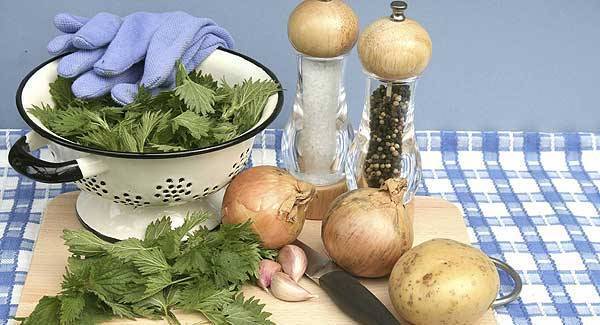
The common stinging Nettle (Urtica dioica) has been a traditional Irish spring tonic for centuries. It was the ancient way of flushing toxins from the system and today, the age old tradition of eating nettles three times during spring still exists. This is said to purify the blood, prevent arthritis and assure good health for the year to come. Nettles are best gathered in March, April and May, just before they come into flower. Pick only young, sweet, tender leaves from the top of each plant. Older leaves tend to be bitter. Leaves can be dried or frozen but are better used fresh. To the nettle novice, the idea of taking these stinging plants internally often comes as a surprise. Rest assured that once cooked or dried, the plants will no longer sting you, but I do recommend wearing gloves whilst harvesting, washing and chopping. If you get stung, rub the affected area with dock leaves which usually grow close by.
Nettles could certainly be described as a super food as they are one of the most nutrient dense plants available. Its leaves contain vitamins A, C and many of the B complex vitamins, beta-carotene, calcium, iron, phosphorous and potassium, and these are only the ones that we know about. Further to purifying the blood, nettles can be used to treat hay fever, asthma, anemia, cystitis, high blood pressure and eczema. They help to build healthy bones, hair, skin and teeth as well as promoting healthy kidney function.
Nettles also have been said to be an excellent tonic for lactating and menopausal women. Fresh nettle juice or nettle tea can also be used externally. Applied to cuts, wounds, burns and scalds, it helps to speed healing. Traditionally, nettles have been made into hair tonics and likewise for animals, it is said that if wilted nettles are fed to dogs, horses and cattle, it will improve the condition of their coat. In general, nettles help the body to cleanse itself of toxins and wastes, thus increasing and stabilising energy levels. Additional to their food and medicinal value, nettles have also been used in industry in the past, where its fibrous leaves and stalks have been made into cloth, nets, sacking and paper and used for making natural dyes.
Cooking with nettles is easy. In any recipe that calls for spinach or other fresh greens, substitute or mix with fresh young nettle leaves. Soups, casseroles, stir fries, lasagnes, pies, puddings, pizzas, pesto, pate, quiches, omelletes, risotto, added to cheeses, breads, scrambled eggs or even clipped into porridge at the point of boiling — the possibilities are as abundant as the plant itself. Nettles can also be served on their own. Steam for about ten minutes or until tender, and serve with butter, salt and pepper or whatever seasoning takes your fancy.
Nettles are an ideal herbal tea, which is easily made by steeping the leaves in boiling water. Nettle cordial can be made by following a basic elderflower cordial recipe and substituting the summer flowers with chopped nettles. They can also be juiced or, if you feel like something with a bit more punch, you could make some nettle wine or beer, which is said to help fevers and chills.
If all that isn’t enough, nettles also provide a great tonic for your plants if used to brew a nitrogen rich liquid feed. You can also compost nettles and they are known to be a natural accelerator to compost heaps. Avoid composting the roots to prevent nettle regrowth in unwanted areas. Nettles are also a key food source for the caterpillars of many butterflies and are thought to be the number one plant for ladybirds to lay eggs on, thus attracting these beneficial insects to your garden. With such amazing attributes that bring a boost to both your plants and yourself, a patch of invasive nettles in your plot might not be such a bad thing after all.
CONNECT WITH US TODAY



Be the first to know the latest news and updates