Why the potato is the pick of the Irish crop
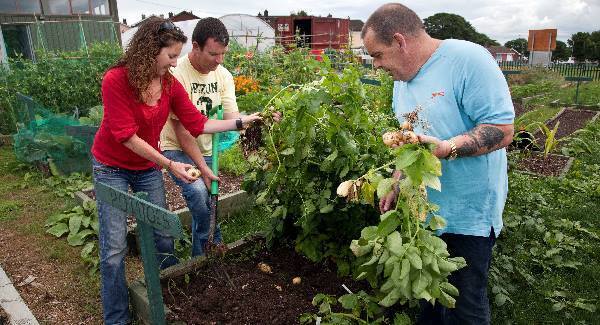
We have an affinity for potatoes and spuds are the quintessentially Irish food, but they were introduced here from South America — and China is the largest producer of potatoes.
In countless households throughout the country, potatoes (the more floury, the better) are cooked every day and a plate void of potatoes would not be referred to as dinner. Is it any wonder that the majority of Irish consumers are more selective about potato varieties than that of any other homegrown vegetable?
From Tipperary to Tibet, there are thousands of potato varieties in existence, ranging from yellow, red, russet, white to blue/purple. Nonetheless, when selecting main-crop varieties, growers have lots of factors to take into consideration — soil type, weather, yields, blight resistance, storability and of course, flavour.
There is no point in growing and storing tonnes of insipid-tasting spuds just because they are disease-resistant. Consumers mostly focus on taste and texture and Irish potato-eaters can sometimes be cautious, and cling to the more traditional household varieties, such as Kerr Pinks, British Queens, Golden Wonders, Records and Roosters.
However, new, floury, blight-resistant varieties, such as Setanta, Sarpo and Mira, are now coming onto the market and are tasty and well worth sampling. I often wonder how many people could tell the difference between a Rooster and a Setanta, if forced to take a potato-taste challenge? After rice, wheat and maize, potatoes are the number one staple crop in the world. Being one of the most versatile veggies, prevalent in every culture and available all year-round, potatoes could potentially present themselves at breakfast, brunch, supper, dinner and any snack time.
Potatoes’ reputation as a high-carb, white-starch food has removed them from the meals of many a weight-conscious eater. The cliched ‘couch potato’ hasn’t done much to help its healthy ‘PR’ either. However, potatoes are not fattening, but the added ingredients, such as butter, oil and cheese, and the cooking method, bump up the calories. Steam, rather than boil, and bake rather than fry, to retain valuable nutrients and to keep the fat levels down and the vitamin levels high. Potatoes are a good source of vitamin C, vitamin B6, copper, potassium and manganese.
They also contain trace amounts of thiamin, riboflavin, folate, niacin, phosphorus, iron, and zinc. The potato skin is a concentrated source of dietary fibre and is equivalent to that of many whole grain breads, pastas, and cereals. Almost all the protein content of a potato is contained in a thin layer just under its skin, so it is advisable to eat them non-peeled, if possible. (‘How do you ate ‘em, schkin an’ all’).
Potatoes offer an infinite number of culinary possibilities, with one exception — eaten raw. Roasted, sautéd, baked, boiled, deep-fried, mashed, steamed, made into gratins, gnocchi or soup, curried, used in salads, stews, pizzas, fritters, tarts, breads or rosti’s, there is no end to their versatility. They also feature in the brewing of strong alcoholic spirits, such as our own, indigenous ‘moonshine’, poitín.
Potatoes are the ultimate comfort food, especially when mashed in dishes like shepherd’s pie or colcannon. A helping of decent chips and fish could also help nurture the inner child, not to mention a pint of Guinness and packet of Tayto.
A very moreish, healthy, speedy accompaniment or snack. Ingredients: 1 medium potato per person, unpeeled, Allow about half tbsp olive oil/sunflower oil per potato 1 clove of garlic, crushed, per potato. Sea salt and crushed black pepper.
Method:Cut the potatoes lengthways into slices 5mm thick. Boil the slices for 4-5 minutes until tender. Cut a criss-cross pattern on the surface of each slice.Mix the garlic into the oil, and use to brush the potato slices. Cook under a hot grill until crisp and well-browned, turning once. Season as desired and enjoy.