Limerick contact lens plant to build solar farm near site of prehistoric enclosure
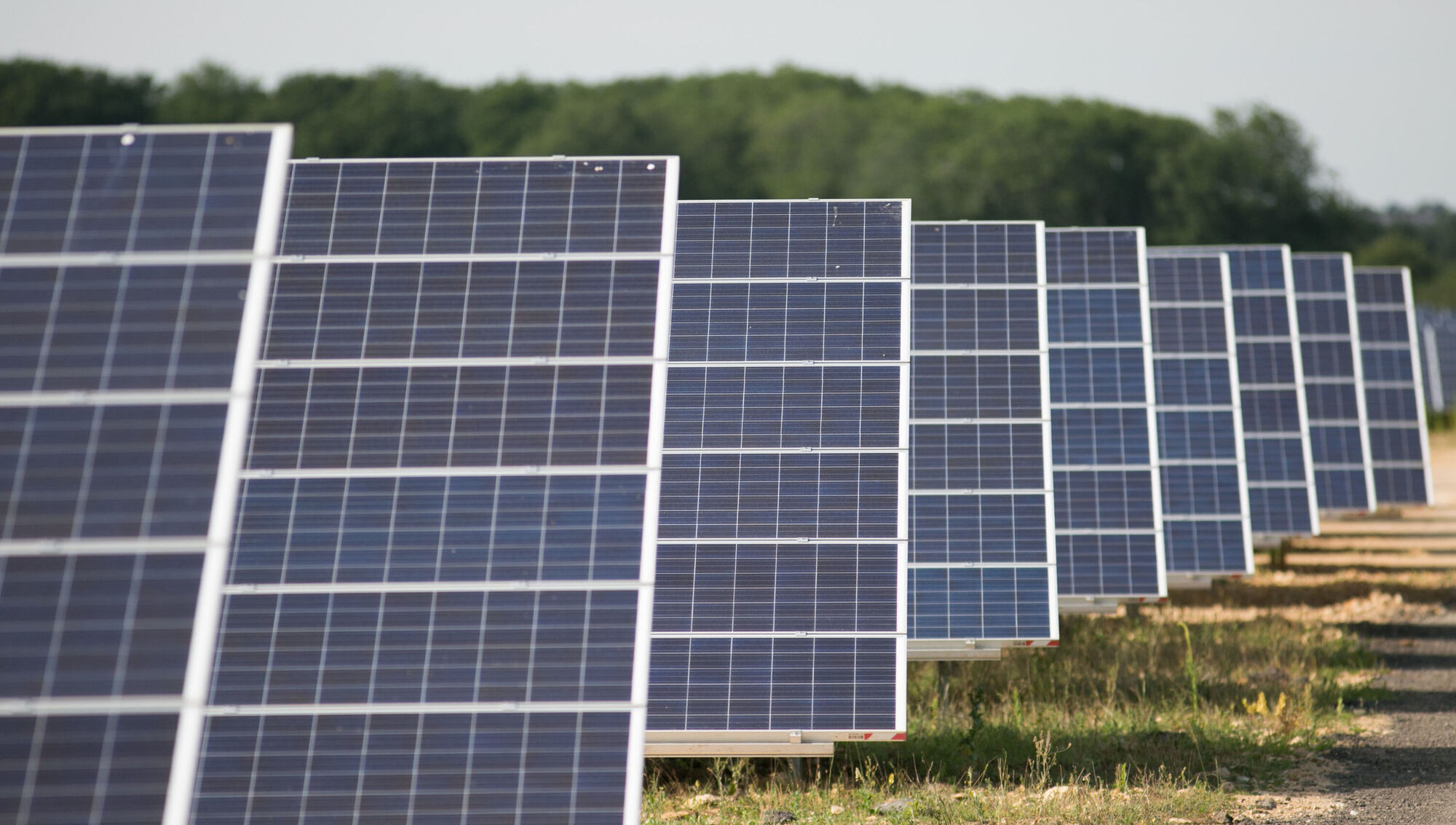
The Johnson & Johnson solar farm project will save an estimated 71,250 tonnes of carbon dioxide over its 25-year lifetime. Picture: PA
The largest contact lens manufacturing facility in the world has been granted permission to build a solar farm beside it at the National Technology Park in Limerick.
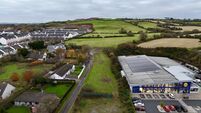
The site is one of two on each side of the Johnson & Johnson Vision Care manufacturing plant, which the company hopes to fill with solar panels on ground-mounted frames to generate electricity for its enterprise.
The project will save an estimated 71,250 tonnes of carbon dioxide over its 25-year lifetime.
In granting permission for the roughly 7.2-hectare solar farm, Limerick City and County planners noted that "Limerick has experienced significant interest in the development of solar energy in the form of large scale photovoltaic solar farms, which is an emerging technology in Ireland, with a number of proposed largescale developments granted approval."
They said the local authority "encourages" proposals from industry and commercial bodies to install solar panels at ground level or on rooftops and will support these developments "at suitable locations where it can be demonstrated that there are no significant adverse impacts."
The planners considered in their report that the loss of six trees at the site to facilitate the development will be "offset" by 823 metres of hedgerow, and the fact that the solar farm will reduce the carbon dioxide emissions of Johnson and Johnson by 2,850 tonnes per annum.
However, they imposed conditions relating to the archaeological remains found on the site during a test dig. They found four features, interpreted as relating to a kiln and pit, which will have to be removed before the solar panels are installed.
They also found a significant sub-circular enclosure ditch measuring approximately 32.5 metres by 27.9 metres, potentially of later prehistoric or early medieval origin. This will be preserved at the site, and a buffer zone around it was imposed by means of conditions to the planning permission.
Although there are residential properties 70m away from the site, no objections to the development were submitted, and the council concluded that negative impacts on the residents would be unlikely because of screening from buildings and hedgerows.
Johnson and Johnson had applied for 10 years to build the solar farm, which the planners considered "excessive", and instead gave the company five years to construct the solar farm.

CONNECT WITH US TODAY



Be the first to know the latest news and updates