Sustainability doesn’t have to break the bank: Waterford students reach competition finals
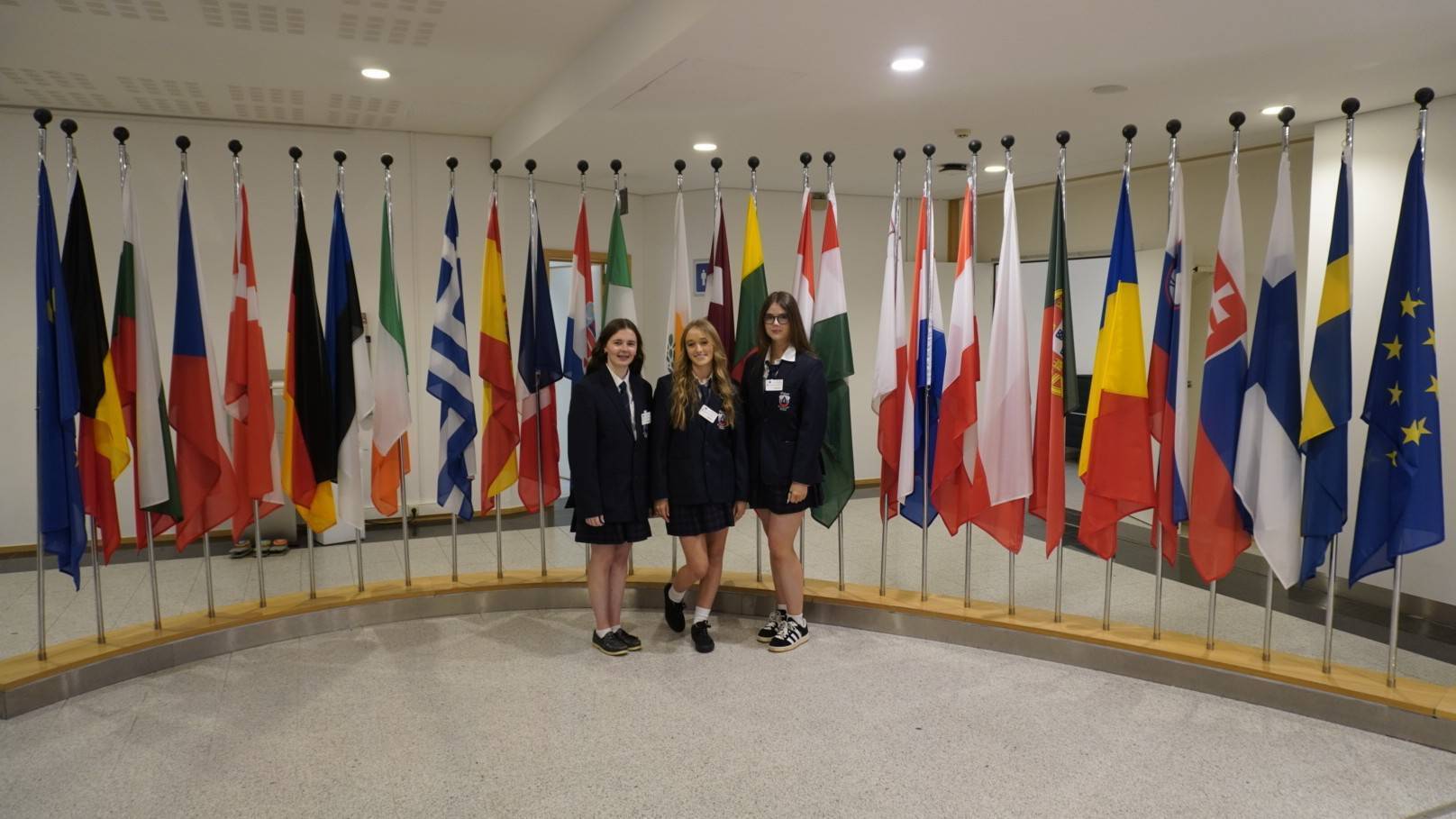
(Left to right) Emily Kearns, Caitlin Kinsella, Emily Doyle on their trip to Brussels to visit the European Parliament.
A team of students from Abbey Community College in Ferrybank are on a mission to prove that sustainability and profitability can go hand in hand on Irish farms.
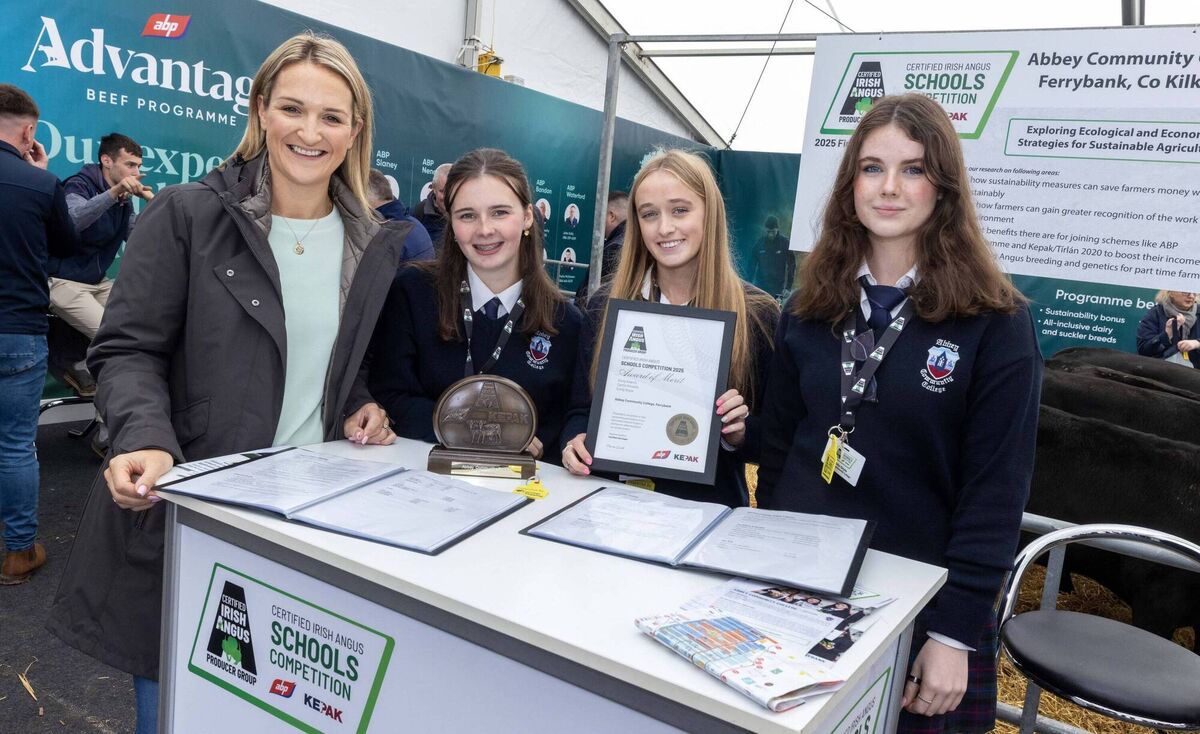
The all-female team reached the final five of the Certified Irish Angus Schools Competition with a project exploring how environmental measures can reduce costs and improve returns for farmers.
The team from Abbey Community College, situated in Ferrybank on the Kilkenny-Waterford border, reached the final with their project, ‘Exploring Ecological and Economic Strategies for Sustainable Agriculture’.
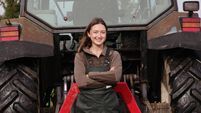
The team, comprising Caitlin Kinsella, Emily Kearns and Emily Doyle, was the school's first-ever entry into the Certified Irish Angus Schools Competition and never anticipated they would get as far as they have now, securing a spot as one of the five finalists in the 2025-2026 cycle.
"We entered it, and we said, actually we'll just go for it and enter for the craic. And then as it got further on, we're like, 'Oh my God, there's actually a chance we could win this,’" Ms Kearns explained.
Ms Kearns, who comes from a farming background with her family managing a suckler herd, came across the competition after hearing it on the radio.
Her teammates, Ms Kinsella and Ms Doyle, do not come from farming backgrounds but have developed an interest in agriculture through family connections and helping out on neighbouring farms.
“I heard there were cows involved and I said yes,” Ms Doyle explained, excited at the prospect of their own cattle after helping on a relative's farm over the last number of years.
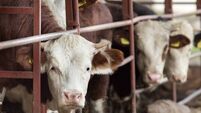
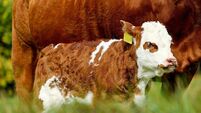
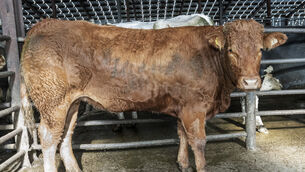
Because of their finalist status, the team received five cattle at the 2025 National Ploughing Championships. Ms Kearns housed the cattle on her farm, but the whole team pitched in when it came to care and maintenance.
The cattle were named Stitch, Daisy, Milky Moo, Kevin and Retro Dorito, the last name being a blend of the winning names from the primary and secondary school naming competition the team held.
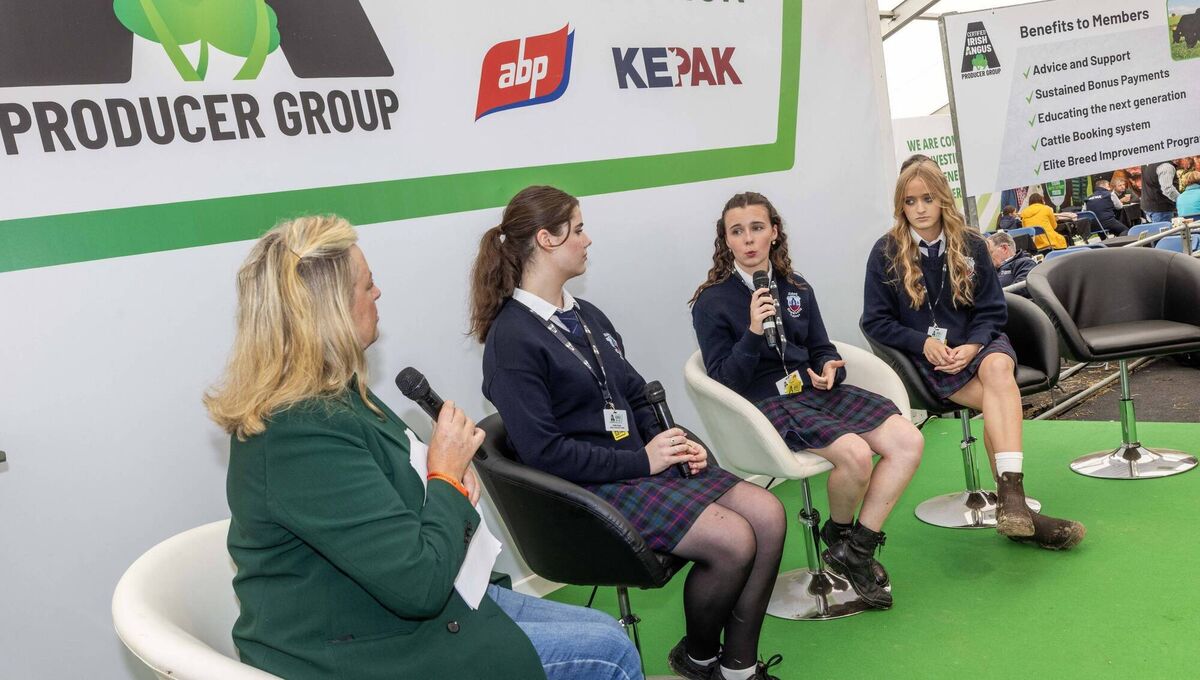
The cattle became a major talking point for the school, which the team pointed out was very urban. Giving the students the opportunity to meet and learn about the cattle and the project, the team were offering an inside look into agriculture.
Their classmates even got to see the cows on Ms Kearns' farm and learn a bit more about the practical sides of what the team were doing, raising and caring for their cattle. The team pitched in together, weighing, dosing, feeding and ensuring the cattle had a clean shed.
“We're a very urban school… there's a smaller percentage that live in the countryside and an even smaller percentage than that who have farms or live on farms.”
Despite being destined for the factory, many students and faculty alike got attached to the cattle, with the vice principal even suggesting they spare the cattle and house them somewhere on the school grounds.
“It's that attachment; it gets you, it creeps up on you,” Ms Kearns said.
The team broke their project down into three key pillars: livestock, grassland management, and biodiversity, while exploring whether sustainability measures can help save farmers money. Rather than focusing solely on emissions, the students wanted to prove that sustainable measures could also improve profitability.
Ms Kinsella said:
Ms Kearns focused on the livestock element, researching the Aberdeen Angus as a breed, with its environmental benefits, lower carbon footprint while comparing animal performance and weight gain data to other breeds.
Ms Doyle focused on grassland management research, investigating white clover, fertiliser use and alternatives.
Their research even had the team comparing fertilisers in a growth experiment. They compared three fertiliser types by comparing grass growth of protected urea, CAN and Humisol and a control.
Ms Kearns said the Humisol was particularly interesting as it relied more on "organic matter rather than harsh chemicals", adding that the findings had even sparked interest at home. "My dad was like, that'd be interesting. We might even switch to it ourselves," she said.
Although the experiment was paused due to the drought conditions experienced this summer, early results suggested Humisol plots were producing more grass than those treated with protected urea or CAN.
"We probably wouldn't switch completely to just Humisol, but we might start using it more on the farm," Ms Kearns explained.
Ms Kinsella focused on biodiversity measures and benefits for farms and farmers with associated schemes. Her research looked into the benefits of hedgerows as well as the usefulness and use of insects such as ladybirds for pest control.
To quantify their findings and to showcase them to farmers, the team created a theoretical farm to use as a case study and used real schemes and technologies to measure potential returns.
Using a theoretical 197-acre farm carrying a 50-cow Angus suckler herd and a 50-head Angus dairy-beef enterprise as a case study, the students calculated that sustainability measures and available schemes could generate a ‘potential financial benefit’ of €59,345.
The students said some farmers initially challenged their findings at events and agricultural shows, but became more interested when presented with the figures and practical examples.
"If you mention saving money or making money as well as being sustainable, they're very sceptical when you're saying you can actually make money by being sustainable in farming," Ms Kearns said "They're kind of set in their ways," Ms Kinsella added.
This prompted them to create a brochure summarising their research and giving the case study example to show farmers how they crunched the numbers and put their research in a practical context.
As one of the first teams from Abbey Community College to reach the competition final, the students have helped spark interest in agriculture among classmates who may never have previously considered the sector.
Looking back on the experience, they said they would encourage any transition year student to enter, regardless of whether they come from a farming background.
Their parting message to farmers is simple: sustainability does not have to mean spending more. "You don't have to spend a load of money to be sustainable," the team said. "You could even make some money and save it."