Agriculture the main cause of increased nitrogen in our waterways, EPA reports
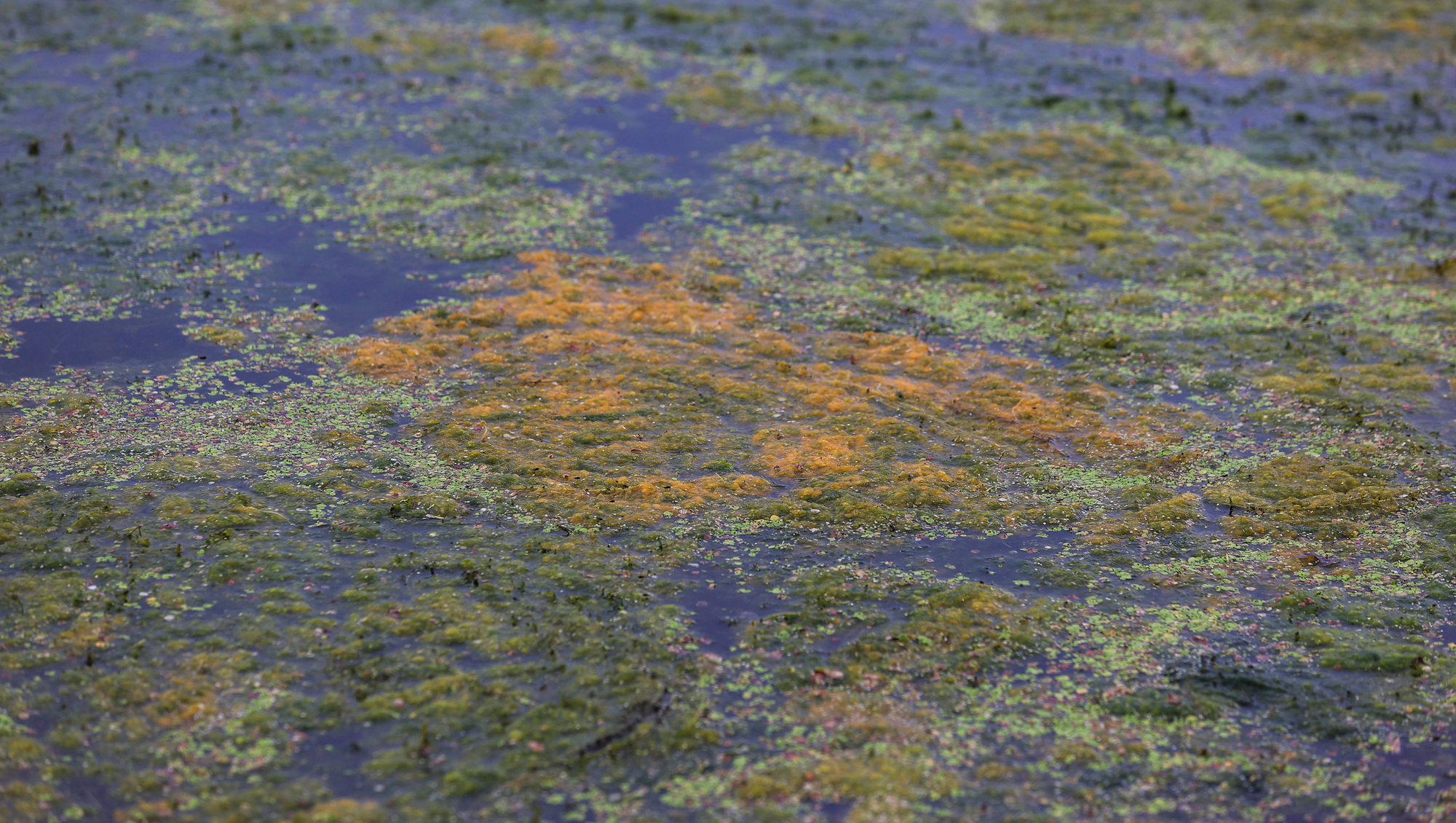
Excess nitrogen can lead to algal blooms, block sunlight from reaching underwater plants, cause fish kills and make water unsafe for human consumption, particularly for young infants. File picture
Nitrogen levels across Irish waterways increased by 4.3% in the first half of this year with agriculture being blamed as the main cause.
The Environmental Protection Agency’s Early Insight Indicator report on nitrogen levels across Ireland found that rivers and estuaries in the south, southeast and east had nitrogen levels above ecological thresholds.
Excess nitrogen can lead to algal blooms, block sunlight from reaching underwater plants, cause fish kills and make water unsafe for human consumption, particularly for young infants.
Monitoring stations on the River Lee in Cork City, the Bandon River and the Blackwater River were among those recording higher concentrations of nitrogen.
EPA programme manager Jenny Deacon said it is “very clear that the greatest source of nitrogen in our waterways is coming from agriculture”.
Read More
The EPA said nitrogen levels in rivers fluctuate due to a combination of factors, including source loading, agricultural land management and weather patterns. Source loading occurs when nitrogen is added to the environment, mainly through organic and chemical fertilisers.
Nitrogen mainly enters rivers through surface run-off and groundwater leaching when excess chemicals are washed off fields. Fertilisers such as urea, ammonium and nitrate contribute to this.
While annual fertiliser sales figures for this year have not yet been published, quarterly figures showed a 7.3% increase in fertiliser nitrogen sales in the six months to the end of March.
“Although fertiliser sales do not directly reflect the quantity of fertiliser applied or nitrogen losses to the environment, which are influenced by factors such as farm practices and soil type, they remain an indicator of nitrogen loading and a factor in increased nitrogen levels in waters,” the report said.
Ms Deacon said this is of “greatest concern for rivers and estuaries”.
Rainfall and river flow also influence the movement of nitrogen into watercourses. For example, periods of high rainfall may increase nitrogen losses through “leaching, or reduce concentrations through dilution, depending on catchment soil properties and underlying geology”.
In the southwest, Ms Deacon said nitrogen levels are highest because of “higher levels of more intensive farming on freely draining soils. The weather is also a factor”.
However, lower catchment areas with monitoring stations in places such as the Shannon, Corrib and Liffey also recorded increases, which the EPA said could be linked to weather conditions and fertiliser prices.
Ms Deacon said additional “targeted actions to reduce losses of nitrogen from farming are needed”. “These include achieving full compliance with the regulations and improving efficiency in nutrient use. Reducing nutrient loads may also be needed in some areas,” she added.
The report presents the most current information available about nitrogen levels across 20 monitoring sites.
Earlier in the year, the EPA said nitrogen levels in rivers had increased by 10% in 2025, with levels in the south-eastern half of the country “too high to support good ecological health in our water bodies”.

CLIMATE & SUSTAINABILITY HUB
CONNECT WITH US TODAY



Be the first to know the latest news and updates