Letters to the Editor: Don’t let children use social media until 16
We cannot expect parents to fight this battle alone
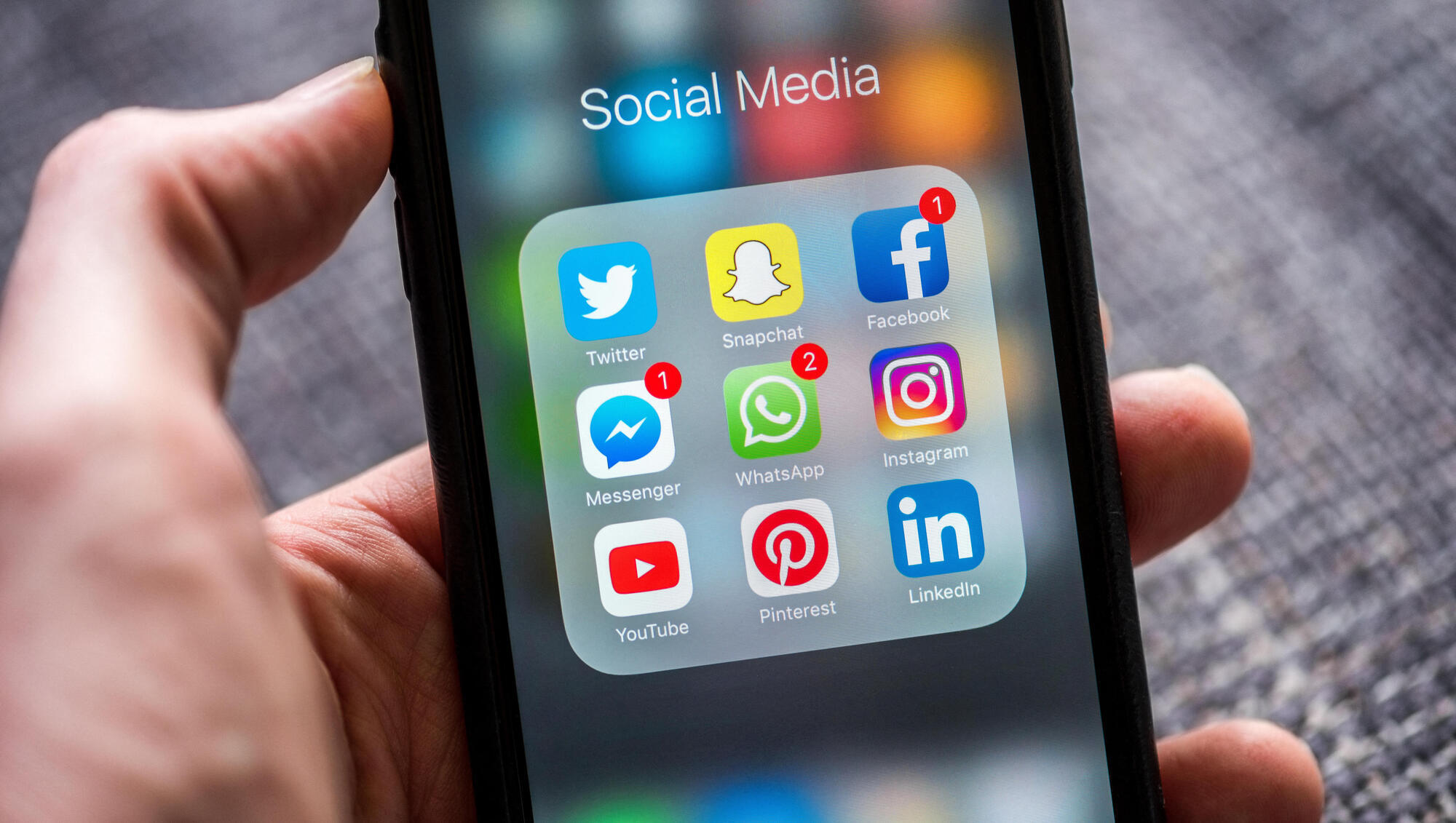
'Technology companies must be held accountable, platforms must be safer by design, and the Government must provide meaningful protections and support.' File picture: Alamy

'Technology companies must be held accountable, platforms must be safer by design, and the Government must provide meaningful protections and support.' File picture: Alamy

For years, parents across Ireland have been trying to navigate an increasingly difficult question: When should our children have access to smartphones and social media?

For many families, saying “not yet” has become almost impossible. As children enter secondary school, the pressure can be relentless: “Everyone else has one.” “How will I be in the group chat?” “Why don’t you have social media?”

This is not simply a parenting issue. Parents can set boundaries but we cannot control algorithms, recommendation systems, inappropriate content, or the commercial pressures built into social media platforms.

That is why Smartphone Free Childhood Ireland has spent the past 16 days asking 16 questions, setting out six demands, and sharing different perspectives on what delaying social media could mean for our children.

Our message is simple: 16, not 13.

We are not anti-technology, and we are not saying children should never use social media. We are asking for delay — more time for children to grow, develop confidence, build real-world relationships, and experience childhood before being exposed to the pressures of the online world.

A minimum age of 16 would also give parents something they desperately need: Collective support. No parent should have to watch their child feel isolated simply because they have chosen to wait.

The Government has an opportunity to show leadership, particularly during Ireland’s EU presidency, and put children’s wellbeing at the centre of the conversation about online safety.

We cannot expect parents to fight this battle alone. Technology companies must be held accountable, platforms must be safer by design, and the Government must provide meaningful protections and support.

We are not saying never. We are saying not yet. The question now is simple: Where do you stand on 16, not 13?

Emer Carty, Spokesperson, Smartphone Free Childhood Ireland

Why it’s vital to keep our neutrality

Certain voices are calling for an end to Irish neutrality to facilitate our entry into military action.

What is happening here is a failure to understand the long-term negative effects if Ireland ends its neutrality. It will result in the loss of expert assistance on peace-keeping missions, thus limiting the help available to victims of war, which always include children. This only serves to make the situation worse for those who depend on the help Ireland has always offered in times of war.

The Irish military has had an unbroken continuous presence on United Nations peacekeeping missions since the 1950s, operating with strict impartiality and protecting civilians in hostile regions, which not enough countries are involved in.

Removing Ireland’s neutrality will result in the loss of a highly experienced military from peace-keeping missions leaving those in need without that much-valued assistance.

Neutrality does not mean standing back, sitting on the fence, and doing nothing. It just means non-military action which enables a neutral country to take up a position as peace-keepers — mediators and providers of medical aid and charitable assistance to victims. In fact, over the years, many Irish soldiers have lost their lives during peace-keeping missions to other war-torn countries.

As a neutral country, Ireland can operate, to a degree, free from attack or hindrance and is trusted to stay neutral while offering assistance. As a result, Ireland is welcomed, respected, and admired throughout the world as a first-class arbitrator who can be trusted.

We need to stay neutral to continue that valuable and welcomed medical and charitable aid in times of war to help the victims, rather than ending it and adding to the destruction.

I can assure you that those calling for an end to Irish neutrality would be the very same ‘virtue-signallers’ demanding help for the innocent victims of war.

The Irish military currently offers much of the assistance needed and the very same over-emotional virtue signallers are calling for an end to it.

One could say our neutrality has been destroyed since our Government has pumped millions, if not billions, into the Ukraine war with Russia and would gladly sign away our neutrality to the EU.

But we must not let the EU destroy our country any more than it has already. Everything the EU has given is nothing compared to what we have lost because of them. We no longer have the ability to be self- sustainable, with most of our food and goods coming from foreign countries, while our own is shipped abroad, but that is for a different topic.

Our neutrality is our greatest strength. We need common sense here, not emotions.

Chris Carr, Ballinacurra, Midleton, Co Cork

Fears over cost of home heating oil

While accepting that the daily visibility of petrol and diesel prices lends to keeping this cost-of-living expense in constant focus, I am very surprised that the more onerous cost, in my view, of home heating oil has received little attention, given how close we are to the heating season.

According to data from the Central Statistics Office, the price of home heating oil rose by 67.5% in March when compared with February.

Recent enquiries with regard to my own winter requirements indicate that this cost has receded little in the meantime.

When the planned imposition of carbon tax increases on heating oil — originally scheduled for May but postponed by the Government until October — is added, the outlook for a great number of families becomes very challenging.

With the Government currently demonstrating its apprehension in upsetting the heavyweights of last April’s haulier and farmer-led fuel protests, the signs of a ‘chilling’ winter for many look very threatening and we are greatly in need of coordinated ‘push-back’ support.

Michael Gannon, St Thomas’ Sq, Kilkenny

Stand up to EU chiefs on defence

What a nerve for the EU defence ministers to come to Wicklow and talk about the defence arrangements of a neutral state like that.

And all minister for foreign affairs and minister for defence Helen McEntee could do was waffle and talk about plans for the Irish navy to join a monitoring group of Nato countries led by Britain.

Éamon de Valera had many faults (and we have certainly heard about them in recent decades) but he would never have allowed such hectoring pass unchallenged. He stood up to both Winston Churchill and the WASP US ambassador David Gray.

Judy Peddle, Charleville, Co Cork

More in this section

Revoiced

Newsletter

Had a busy week? Sign up for some of the best reads from the week gone by. Selected just for you.

Cookie Policy Privacy Policy Brand Safety FAQ Help Contact Us Terms and Conditions

© Examiner Echo Group Limited