Letters to the Editor: Some 'free legal advice' for the justice minister
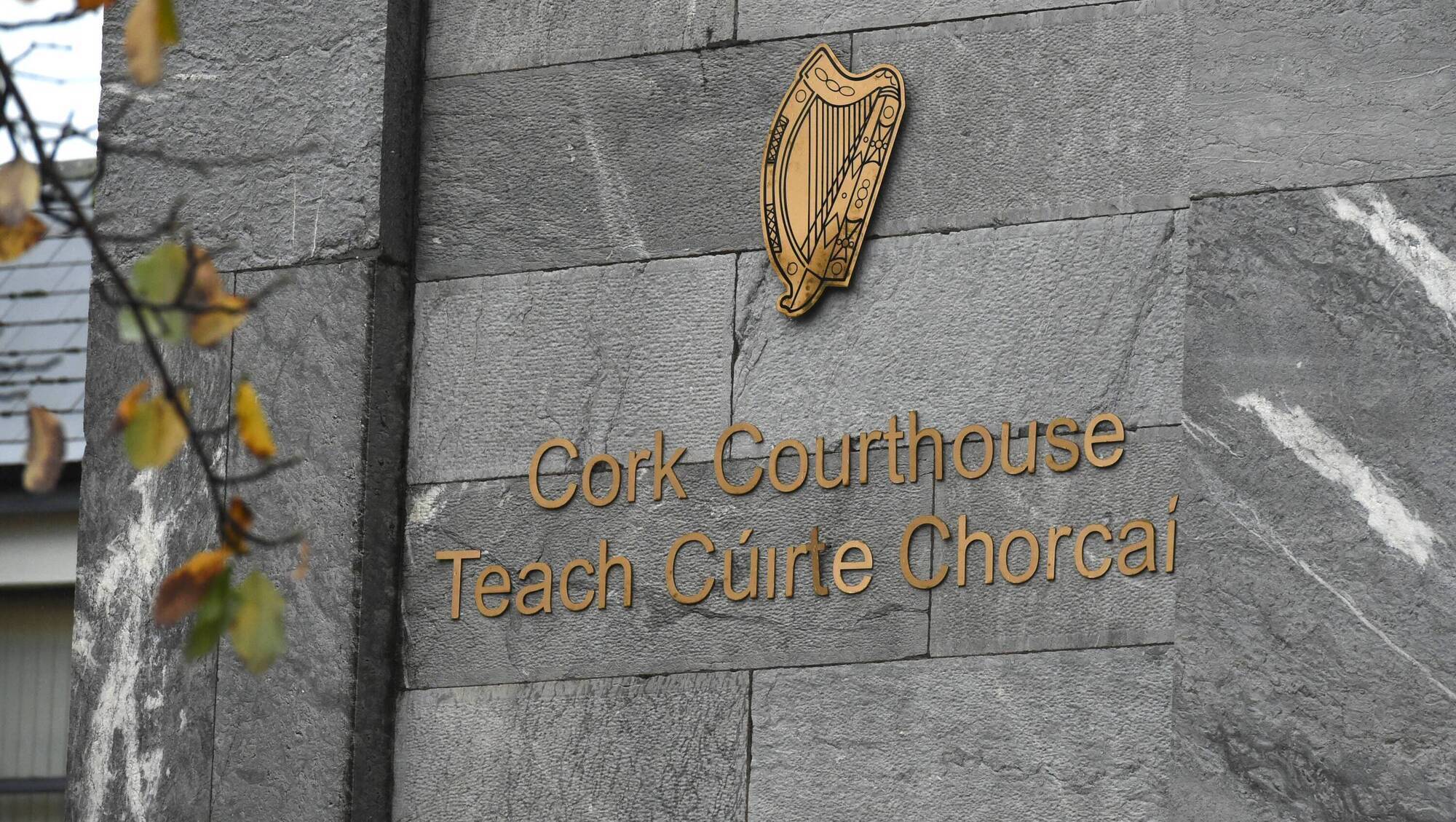
Reform of the system 'well overdue'. File picture: Larry Cummins
This is an open letter to justice minister Jim O’Callaghan.
As a practising criminal solicitor of over 40 years standing, I am in equal measures shocked, appalled, and saddened by the treatment being meted out by you to myself and my colleagues.
You propose, inter alia, to pay us a “flat fee” of €100 for cases being sent forward to the circuit or central criminal courts. This is beyond derisory; it’s grossly insulting and downright contemptible.
Frankly, it betrays palpable ignorance on your part of the work we actually do.
You appear to be patently unaware of the fact that it is us who advise on whether to accept a book of evidence or go forward on a signed plea.
Both courses of action have serious ramifications in respect of sentencing and potential early alleviation of the stress of trial for injured parties.
You are treating us akin to something nasty you picked up on the soles of your size 12s whilst strolling between the Four Courts and Leinster House.
We, along with many others, accepted stringent pay cuts during the troika/recession period, but we are the only body whose pay has never — I repeat never, been restored.
We are all self employed and, in that regard, carry all the costs that would otherwise come from the public coffers.
We are not permanent and pensionable State employees.
We in Cork were left with no option in the 1990s but to go on strike when the then justice minister threatened us with a “public defender” scheme.
I can tell you that when that was costed, the minister came running back to us.
Now, minister here are a couple of suggestions — some “free legal advice” if you will — for you.
- Why not reform some antediluvian anomalies in our criminal justice system and importantly for you, potentially accrue savings for the State?
- Have you ever wondered why almost all murder cases end up in trials — in some instances taking many weeks? The primary reason is whether you go forward, in murder cases, (a) on a signed plea (highly unlikely); (b) plead guilty before a jury is sworn (very unlikely), or (c) are convicted after a trial (where you receive the exact same sentence, namely, life imprisonment).
Obvious reform is well overdue.
Also have you ever questioned why murder and rape cases are sent to the Central Criminal Court when the circuit criminal court already has the same sentencing jurisdiction — that is up to life imprisonment?
If you appeal from either court you end up in the exact same court, the Court of Criminal Appeal.
I am urging all my colleagues therefore to withdraw all criminal legal aid services until common sense and decency prevail.
It’s not just old age that grants licence for the occasional rant, but also the frustration and annoyance engendered by the non-delivery of basic products and services in this dizzying digital world.
Few people would argue that coffee and toast are popular breakfast staples, with the successful provision of both hardly figuring on the high end of worry in hotels serving breakfast.
And yet, in the hundreds of hotels across many countries that I breakfasted in, toasters and coffee machines appear to enjoy their own automated anarchy.
Rarely has either machine performed effectively or efficiently, if at all.
- Coffee machines: From an array of choices, any button yields no more than a suggestion of coffee, a meaningless splash, as do the second and third efforts. Finally, you are compelled to press repeatedly with the result that an infinity pool of coffee slides down all sides of the cup and you scald your hand in efforts at withdrawal.
- Toasters: A slice of bread is loaded hopefully on the revolving metal ramp while you witness its slow Croagh Patrick ascent until it disappears into the toaster’s inner machinery before the bread eventually reappears whiter than on entry. The exercise is repeated a couple of times, with the same result, until you give up and opt for a croissant instead.
Until hotels can ensure the proper functioning of these two fundamental items, all their puffing about award-winning restaurants, relaxing spas, Indian head massages and environmental friendliness will fall on the deaf ears of this weary traveller.
Somebody needs to tell housing minister James Browne that bullying landlords will always be a recipe for driving people out of providing housing.
The Irish tourist industry needs Airbnb accommodation.
The housing market needs willing landlords.
Yet another draconian over-reach from this Government into other people’s business will encourage more landlords to sell up.
Has he not done enough damage?
Is it too much to suggest he might consider why people prefer to provide short-term offerings rather than long lettings where you lose control of your asset for six years?
Has the rise of short-form video content and having access to all the world’s information in our pockets affected our attention spans? Probably.
But has it affected our media literacy?
In my experience, most definitely.
I made my weekly pilgrimage to my local cinema to see Steven Spielberg’s latest sci-fi conspiracy thriller .
Like much of the movie-going world, I have a huge emotional connection with Spielberg’s filmography.
and were staples of my childhood and surely shaped my love for cinema.
Needless to say, it’s very exciting to be getting a new alien adventure from the master of the genre.
is perhaps the least cynical major release of the decade. The central thesis is deceptively simple. It’s also overwhelmingly complicated: “What if we’re not alone in this world?”
It’s painfully sincere in a way that almost reduced me to tears.
The film asks you to park all your pessimism at the door and meditate on faith, empathy, communication, and humanity for two and a half hours.
I found it remarkably easy to give myself over to the film and roll with the big questions being asked of the audience. I adored it.
As the credits rolled, through glassy eyes, I felt hopeful.
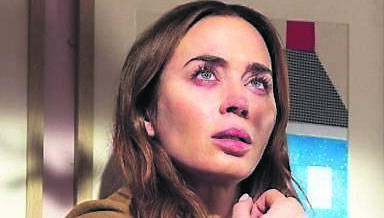
But not everyone in my screening was as impressed.
I was glad to see that the cinema was packed with teens and young adults, but my enthusiasm faded as they sniggered and sneered at the film’s emotional climaxes.
Out of the corner of my eye I could see the young audience scoff at the admittedly optimistic and spiritual ideas on show.
It begs the question: Are Gen Z so irony-pilled and cynical that they can’t meaningfully engage in sincerity?
Modern culture is dominated by post-ironic and meta-textual works.
Breaking the fourth wall is commonplace.
Self aware films like and can have great success in both the awards circuit and at the box office.
There’s nothing inherently wrong with that.
But are we losing a bit of our humanity?
Are we too embarrassed to be honest and intimate? Are the TikTok generation afraid to be heartfelt?
As much as it’s tempting to feel distain, it’s also impossible not to feel sympathy for them.
Raised with smartphones in hand, no one under the age of 25 had a choice about being on the internet.
They are the guinea pigs for the digital age.
Has growing up within addictive social media algorithms stunted an entire generation’s emotional intelligence?
Will overloading your brains dopamine receptors by scrolling on Instagram reels affect the ability to meaningfully engage with art?
There is no doubt in my mind that many young people have bundles of authenticity and are more than capable of being earnest.
I’m just not sure our current cultural landscape creates enough space for it.
Much like the characters in , I have more questions than answers.