Letters to the Editor: Repatriation of homeless Romi was an exceptional story
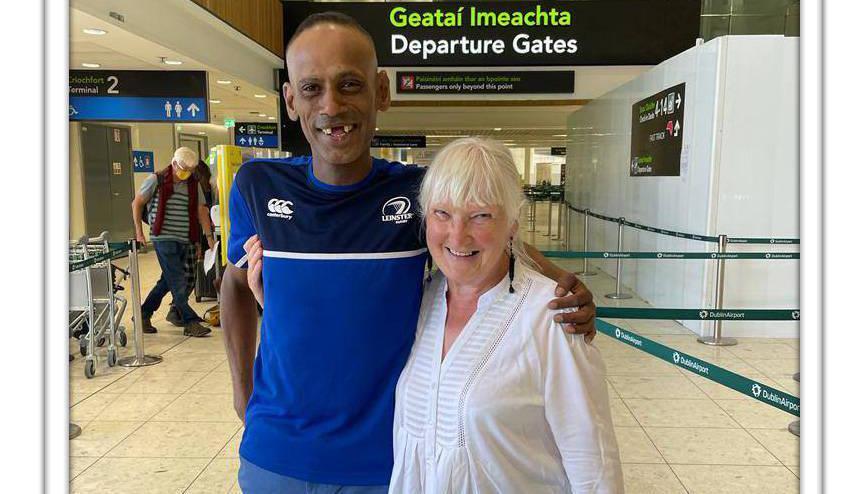
Romi Ramtohul with Alice Leahy at Dublin Airport prior to his departure to Mauritius.
I read with interest Mick Clifford’s article — How two gardaí and the Alice Leahy trust repatriated ‘non person’ Romi (Irish Examiner, November 29).
My admiration is for Romi Ramtohul who had the humility to walk into the homeless drop in centre and give voice to his wish to go home.
His time in Ireland hadn’t been going well for some time but he didn’t let false pride or feelings of shame and failure prevent him from thinking about what he wanted and saying it aloud to someone.
Credit also to the staff member Jeanette O’Brien who listened to him and heard what Romi was saying and followed up on it.
The pity is that it is, very likely, an exceptional story involving a fair amount of time, effort, collaboration, non co-operation, and other resources.
Homelessness is a symptom of many vulnerabilities — many personal — and many the result of dysfunctional institutions and policies that fail to empower.
I have read tentative suggestions from some GAA mentors to introduce the black card for hurling.
Having watched senior and club hurling games week on week, the skill, rivalry, and entertainment under current rules is hard too beat.
It is as clear as black and white that the game is best served by leaving the black card out of the game of hurling.
The news of the Omicron variant restored a familiar shadow of foreboding, threatening steps into another chapter of the dreaded ‘lockdown’.
The greater distress, however, is to witness the ‘cut and run’ actions of the ‘first world’ with regard to countries of Southern Africa, leaving a very uneasy perception of their abandonment.
The immediate action by the EU, US, and UK was the same as from the outset of the pandemic, to ban travel and impose quarantine restrictions, etc.
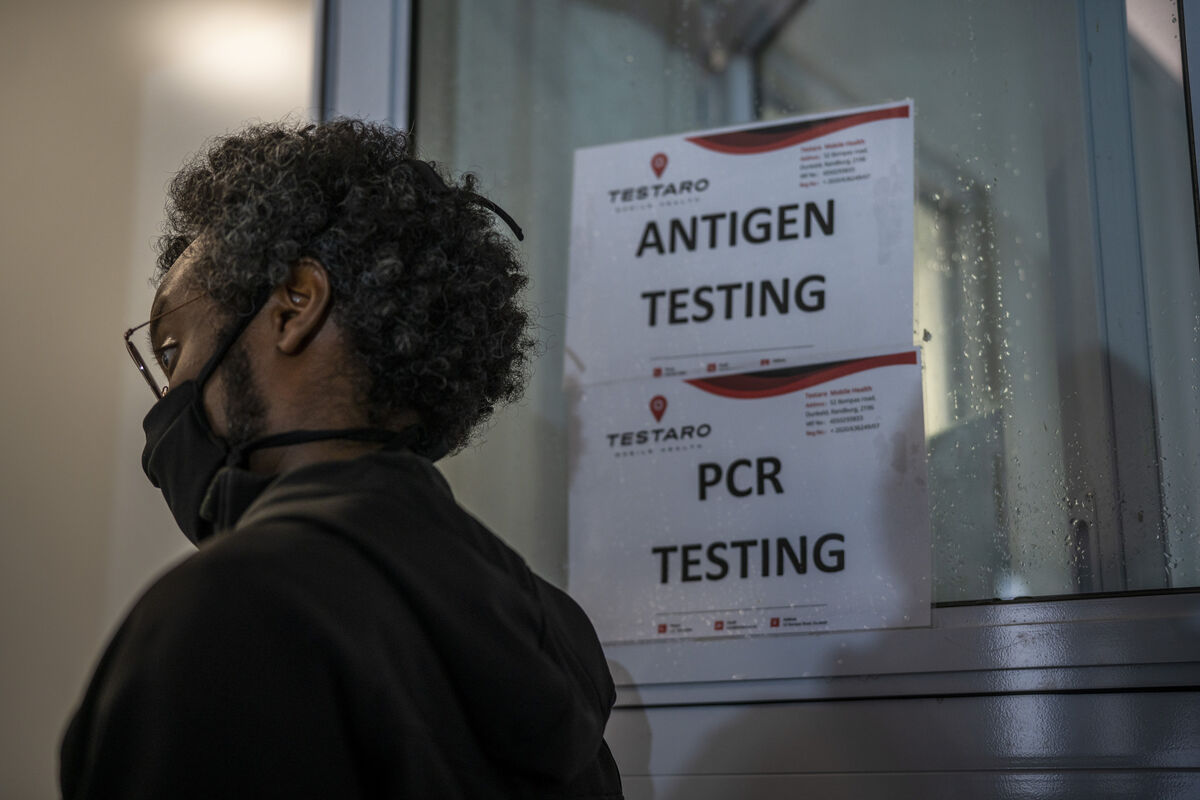
However, despite all the nice words and sentiment expressed at various high level international fora over the past 20 months, no credible indicator of the serious and critical need to implement a properly structured and financed strategy in honest pursuit of the principle that ‘no one is safe until everyone is safe’.
If there is a smidgen of optimism with this latest variant it’s the ‘writing on the wall’ in clear black and white motifs, that Omicron signals.
As the discussion on Irish unity takes place, we need to ensure all voices in Irish society are heard and included; a united Ireland should not be about merely grafting the North onto the Republic, rather, it provides an opportunity to build a new Ireland.
It presents us with an opportunity to tackle those aspects of our politics and society that are crying out for change.
This should be about creating new political structures built on diversity — an equal society, not just between orange and green, but between urban and rural, old and young, men and women, LGBT and straight, old and new Irish, black and white.
Consideration of new constitutional arrangements for an agreed, united Ireland requires an inclusive forum so that all these voices can be heard.
Recognising this, it is clear that the Government needs to convene a Citizens Assembly to create a democratic foundation to prepare for any border poll.
In the ongoing debate regarding Irish unification, it is important not to conflate a British identity with opposition to Irish unity.
Identity is far more complex than that. It is possible to have a British identity and see that the best future for all the people of the North is within a United Ireland.
It is possible to describe yourself as ‘Northern Irish’ and to understand that partition is not working; to want the North to re-enter the EU through the pathway of Irish unity.
What we need to build on this island is a United Ireland that embraces all identities — an Ireland, to paraphrase Thomas Davis, which will “embrace Protestant, Catholic and Dissenter — Milesian and Cromwellian — the Irishman of a hundred generations, and the stranger who is within our gates”.
The recent announcement by the Mater Hospital that an organ transplant operation had to be cancelled because no ICU bed was available, is totally unacceptable and horrifying in a civilised country.
The fact that a high percentage of ICU beds are now occupied by unvaccinated Covid patients is a grave cause for concern.
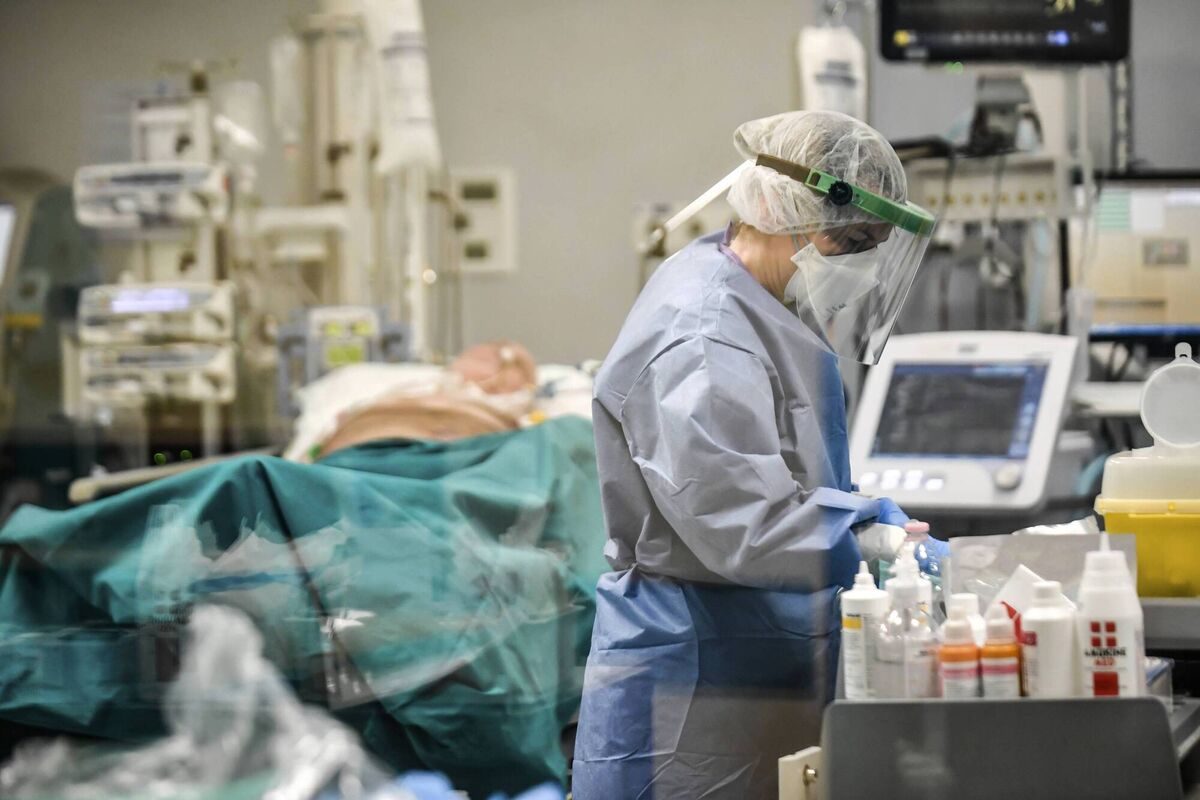
We have now reached a stage where seriously ill people are suffering at the hands of unvaccinated people who have persisted with their selfish agenda of refusing Covid vaccines.
As Ireland struggles through a pandemic it is not acceptable that a small group of unvaccinated people should have the right to seriously affect the lives and wellbeing of the vast majority of people who have fully complied with the vaccination advice.
At some stage the Government in conjunction with other European countries will have to seriously consider implementing ongoing home quarantine for those who refuse to get vaccinated.
There was nothing surprising in the statement from the Tánaiste which amounts to abdicating leadership as we are now confronted with another Covid variant — Varadkar: No plans to close retail and hospitality ‘at this stage’ (Irish Examiner, November 26).
As other European countries acted swiftly to try to prevent the latest threat, our government is doing what it has become renowned for — sit on its hands and shift responsibility to wherever or whoever happens to be passing at the time.
When asked whether “parents should take their children to Christmas pantomimes this weekend”, Mr Varadkar deflected saying “it would be a personal choice for the parents”.
It beggars belief that as news concerning the new variant is widespread the Tánaiste could not bring himself to even offer the view that parents would be well advised to not allow their children to gather in large numbers until we can determine where we now are regarding this new variant.
There has been a lot of criticism from some quarters that the medical experts have been allowed too much sway during the with the pandemic, but surely they at least called it as it is and given the lack of leadership emanating from government we would be far better off now if the experts were given the power to dictate what restrictions should, or should not, apply.
Recent publicity surrounding odds and the Lotto brings the following, courtesy of Tommy Cooper to mind.
“I backed a horse at ten to one, it came in at ten past four.”