Irish Examiner view: Urgent need to address Ireland's population issues
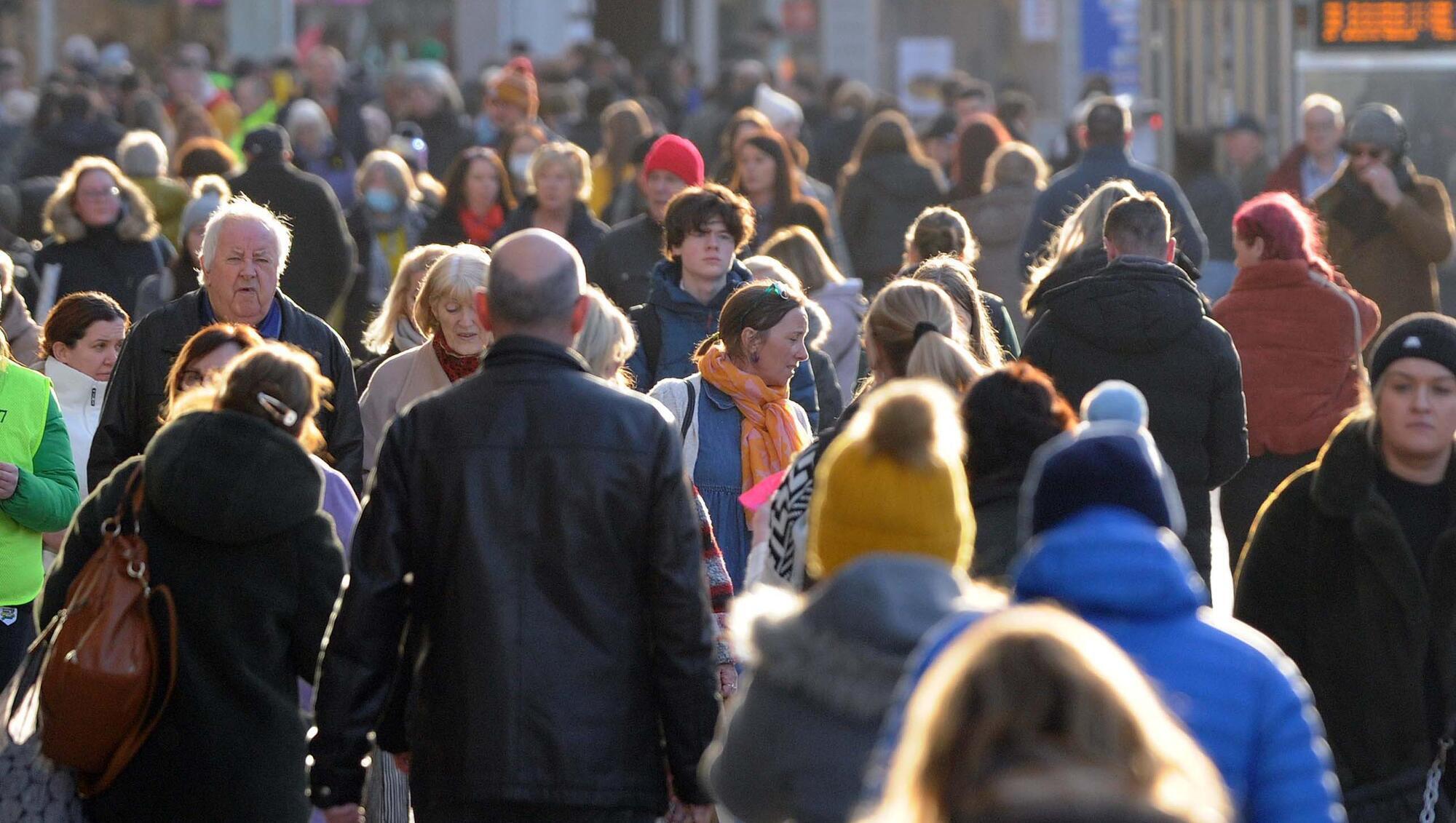
In 2022, the population eclipsed 5m for the first time since the 1851 census and it has not stopped growing since. File picture: Denis Minihane
The population of this country increased by 66,900 in the year to the end of April, meaning 5,525,600 people now live here.
In 2022, the population eclipsed 5m for the first time since the 1851 census and it has not stopped growing since.
These CSO figures illustrate not only the economic wellbeing of the State, but also that of its inhabitants. What they do not highlight is the fact that the population has accelerated past the ability of our national infrastructure to cope, or that we, as a nation, are ageing faster than most of our European neighbours, largely as a result of a falling birth rate.
Worryingly, during the same timeframe, the number of people aged under 14 fell to under 1m (992,400) for the first time since 2014. As well as that, since 2010, the number of births has dropped by some 27%.
With investigation into the recent devastating flash flood in Nepal determining it was triggered by a glacial lake outburst or a glacier collapse, experts are worried the same could occur again in the region or in Europe.
Europe was recently revealed as among the fastest-warming continents on the planet, driven by human-made climate change. This, in turn, means that retreating glaciers and thawing permafrost are destabilising high mountain regions such as the Alps.
Last week’s disaster in Nepal, where a torrent of water, mud, and debris surged some 170 km through southwest Tibet and into central Nepal, costing a huge number of lives, could easily be replicated in any number of countries in Europe with Alpine regions.
As Iceland yesterday rejected a move to begin negotiations to join the European Union, the inward focus of the 27 members this week turns to a state election within Germany which could see the far-right AfD party gaining control of the Saxony-Anhalt state legislature.
Were it to do so, the result would shatter post-war German democratic norms. Thus, the result will be carefully monitored across the EU and especially in those countries witnessing a surge in support for right-wing or populist parties.
Saxony-Anhalt lies in what used to be East Germany, with a population of 2.2m. It has one of the weakest economies of the 16 federal states in Germany and its foreign national population — some 8% of the total — is the third lowest anywhere in the country.

CONNECT WITH US TODAY



Be the first to know the latest news and updates