Irish Examiner view: Victims are suffering due to legal aid dispute
It is time to resolve this dispute without any further delay
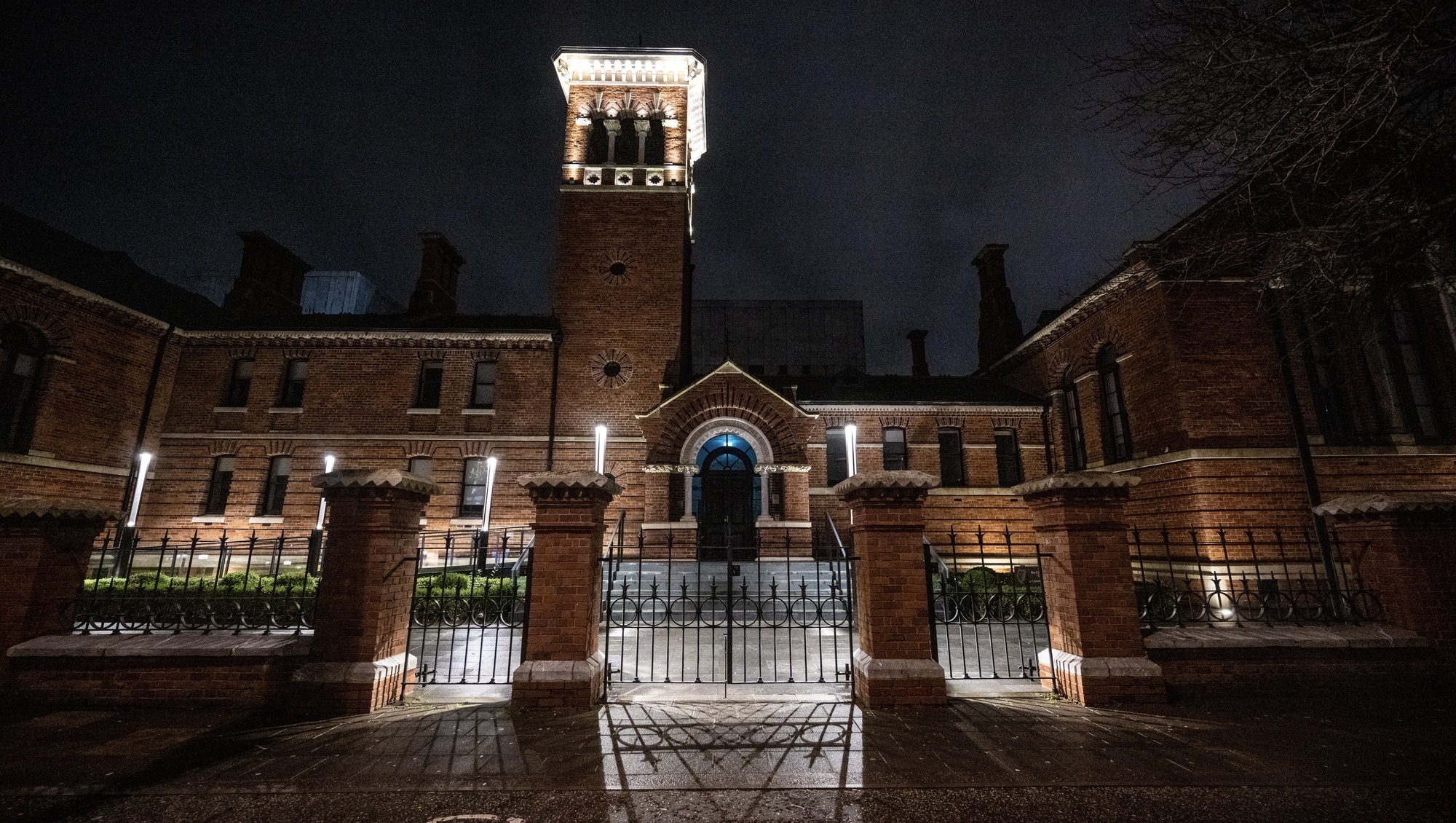
Cork Criminal Courts of Justice on Anglesea St in Cork. The emotional and financial wellbeing of crime victims and their families is being put at risk by the current standoff, which has so far resulted in more than 1,000 cases being adjourned. Picture: Chani Anderson

Cork Criminal Courts of Justice on Anglesea St in Cork. The emotional and financial wellbeing of crime victims and their families is being put at risk by the current standoff, which has so far resulted in more than 1,000 cases being adjourned. Picture: Chani Anderson

It is a fact that the majority of us will go through life without ever seeing the inside of a courtroom. Our courts are, for the most part, frequented by people whose chosen occupations have brought them there, including gardaí, solicitors, barristers, social workers, probation officers, journalists, and, of course, people engaged in a life of crime.

Short of getting a jury summons, or being overcome with curiosity about an ongoing, high-profile case, most of the rest of have no reason to set foot inside a court.

There is one group, however, that finds itself there through no fault of its own and certainly not by choice: People who have suffered crime. Survivors of rape, sexual assault, and other violent offences are often required to relive the most traumatic experiences of their lives during trials. Now, many of them have become the unintended casualties of the legal aid dispute between criminal defence solicitors and justice minister Jim O’Callaghan.

As Ann Murphy reported on Tuesday, the emotional and financial wellbeing of crime victims and their families is being put at risk by the current standoff, which has so far resulted in more than 1,000 cases being adjourned.

Rape survivor Ciara Mangan, founder of the Beyond Surviving charity, described the psychological stress that comes with trial delays as “horrendous”. Rape Crisis Ireland said every adjournment represented another survivor left waiting, “carrying their case, their evidence, for months or years longer than they should have to”.

Among the criminal cases that have been delayed because of the dispute are rape trials, with 10 of the 12 trials scheduled for the Central Criminal Court yesterday unable to go ahead because of the row.

Court proceedings are almost always stressful for people who have to relive and revisit the details of the crime perpetrated on them. One can only imagine how infinitely more traumatic the experience is for people who have suffered rape, sexual assault, or other forms of violence.

The row over changes to the criminal legal aid system has been brewing since earlier this year when the justice minister announced that a once-off legal aid fee per case would replace the previous fee per appearance to which solicitors were previously entitled.

It escalated two weeks ago when the changes came into effect and solicitors began withdrawing their services. Both sides are entitled to make their case for and against the reforms. But it is time that they put the interests of victims of crime to the forefront and resolved this dispute without further delay.

Health response not yet in place for drug decriminalisation 

Two weeks after one Oireachtas committee recommended the decriminalisation of drugs for personal use, another Oireachtas committee heard that a third of young people in mental health crisis at one hospital were there because of cannabis use.

The testimony last week to the Oireachtas health committee about the harm cannabis inflicts on some people will, no doubt, have been noted by those opposed to or, at the very least, concerned about the decriminalisation recommendation issued by the Oireachtas committee on drug use on June 24.

The evidence given by Karen O’Connor from Cork University Hospital about the connection between drug use and mental health crisis was disturbing. More disturbing, however, was the grim picture of the extreme pressure on our hospitals’ mental health services.

The committee heard that patients in distress could wait for hours in crowded, chaotic emergency departments, before being seen by a doctor who has responsibility for hundreds of other patients.

Henry Roberts, the chairman of the trainee committee of the College of Psychiatrists of Ireland, outlined how a typical night shift in a large Dublin hospital might unfold with just one psychiatrist trainee in the hospital. That person would be expected to cover an in-patient psychiatric unit with 20 to 30 beds, as well as the emergency department, and hospital wards.

The recommendation that drug use be treated primarily as a health issue rather than a criminal one is a debate worth having. However, if drug possession for personal use is to be decriminalised, the State cannot just remove the criminal justice response without putting in place the necessary health response.

The evidence to the health committee last week exposed a mental health service struggling to cope with existing demand. Unless that changes, the aspiration of a health-led
approach will remain just that — an aspiration.

Planning a more welcoming city

The outcome of the so-called ‘superblock’ trials, currently underway in Limerick city, will be of interest to communities well beyond that city.

The superblock concept refers to an urban traffic management approach that restricts through traffic in a defined area, creating quieter, safer streets that can be better enjoyed by residents, businesses and visitors.

The traffic reduction measures being tested on Sundays throughout July will be followed next month by a programme of activities, family events, temporary pedestrianisation of streets, and greening initiatives designed to showcase what a people-focused city might look like.

The vision is an appealing one. Across much of continental Europe, attractive squares and plazas are at the heart of urban life.

If the trials in Limerick demonstrate that streets can be made safer, more welcoming, and more sociable without bringing the city to a halt, they will offer a valuable lesson for other towns and cities.

At a time of increasing loneliness and isolation, safe and vibrant public spaces are not a luxury — they are a necessity.

x

More in this section

Revoiced

Newsletter

Had a busy week? Sign up for some of the best reads from the week gone by. Selected just for you.

Cookie Policy Privacy Policy Brand Safety FAQ Help Contact Us Terms and Conditions

© Examiner Echo Group Limited