Irish Examiner View: EU presidency is an opportunity to make real progress
Irish Examiner View: EU presidency is an opportunity to make real progress

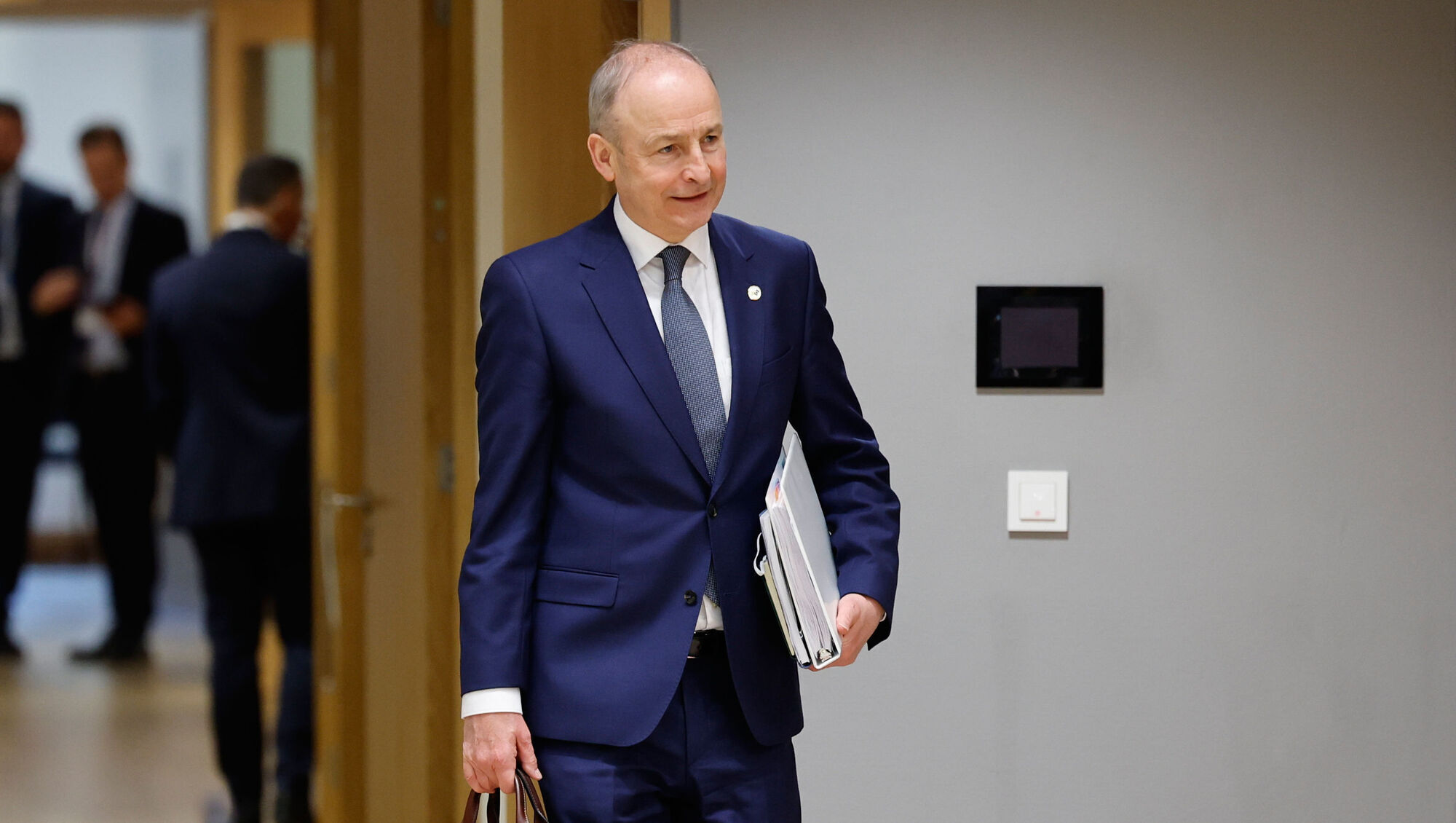
Micheál Martin arrives for a round table meeting at the EU summit in Brussels, on Thursday, March 19, 2026. Picture: Geert Vanden Wijngaert/AP
Ireland assumes the EU presidency this June, and it is likely to be a significant period, not just for this country, but for the EU as a whole.

There might be a perception that the presidency is largely a matter of state dinners and cliched photo-opportunities — visiting politicians at the Guinness Brewery, perhaps, or in Croke Park — accompanied by predictable complaints about the associated costs for the Irish taxpayer.

However, there are substantive issues to be determined in the second half of this year when we assume the presidency, such as the €1.8 trillion multi-annual budget which has been proposed for the European Commission. This budget — the multi-annual financial framework — is meant to cover the next seven years, and EU officials are keen to have it agreed before the start of next year.

Because it has not been finalised yet, those discussions will therefore be central to our term when that starts in July.

The nature of those discussions promises to be different to other recent negotiations due to at least one significant absence. It was notable that at this week’s informal EU summit in Cyprus, Polish prime minister Donald Tusk said: “For the first time in years there were no Russians in the room, if you know what I mean.”

This was a clear reference to Hungary’s former prime minister Viktor Orban. His defeat in a recent election means he will step down after 16 years in office, thus losing Russia its strongest ally within the EU.

Mr Orban was particularly obstructive when the EU sought to support Ukraine in its war with Russia, and it is no coincidence that his defeat coincided with the announcement this week of EU approval of a €90bn loan for Ukraine.

The Hungarian will not figure, therefore, in the discussions and negotiations which will be undertaken this summer in Ireland, and hopes are high that real progress can be achieved then. We have a huge opportunity to make our presidency a resounding success.

Air pollution targets

File picture.
File picture.

Good news about the environment can be rare enough — we are often bombarded with gloomy predictions and depressing statistics, so any note of positivity should be embraced.
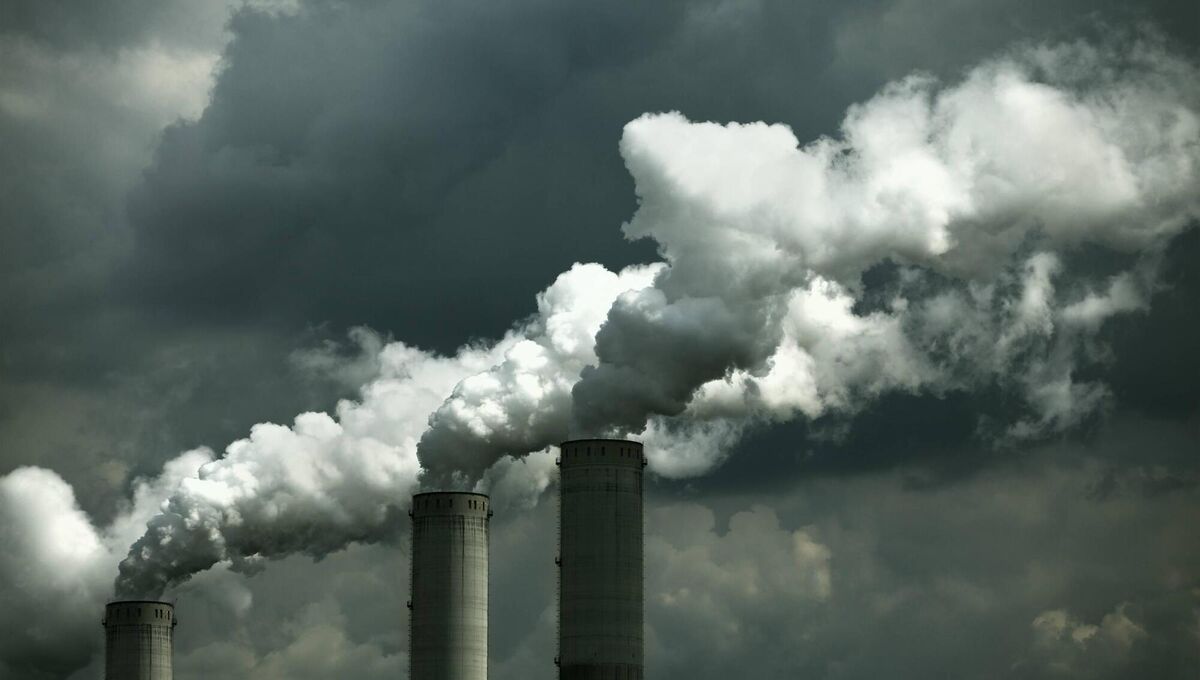
Hence the welcome for a report this week from the EPA stating that Ireland has complied with all of its EU air pollution reduction targets for 2024 and is on schedule to meet the targets set for 2030.

Furthermore, the EPA reported that those targets were met as a result of focused action, such as reducing the use of fossil fuels to generate electricity, and moving to low-emission slurry-spreading techniques on farms. Such actions have been instrumental in improving air quality generally and meeting those specific air pollution targets.

Dr Tomás Murray of the EPA welcomed the “good news”, adding: “We can hit our 2030 air pollutant reduction goals if we stay on course with the National Air Pollution Control Programme.

“By moving away from fossil fuels to generate our electricity and continued adoption of a range of good farming practices, we aren’t just achieving targets but also actively protecting our health and our environment.”

The significance of news such as this is twofold. First, it is obviously positive in and of itself if our air quality is improving, with clear benefits for people’s health and the environment.

The other positive effect is more general. The onslaught of bad news about climate change and the environment can threaten to overwhelm us at times. One can almost understand people questioning why they should take any action, given the relentless gloom about the future of the planet.

A report such as this bolsters the confidence, however. It shows that changes in behaviour can have a positive effect and that progress can be made. There is no point in denying that the planet faces huge threats it has never faced before, but this week’s news shows that we can all work to combat those threats.

Garda visibility

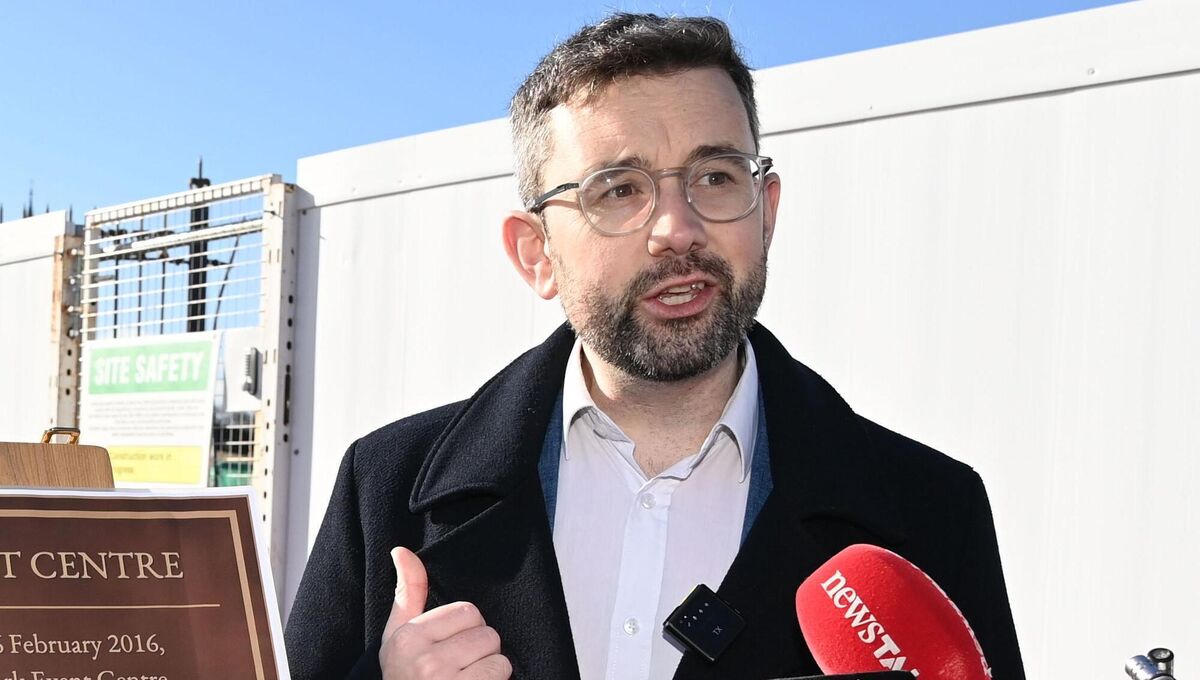
Cork South-Central Social Democrats TD Pádraig Rice. Picture; Eddie O'Hare

Late last year, policing levels in Cork City were boosted when 23 gardaí were assigned to the city’s high-visibility policing plan, and the effects were almost immediate.

Anecdotally, visitors to the city remarked on the higher numbers of gardaĂ­ on the streets, while city centre businesses have observed that the streets feel a lot safer since those gardaĂ­ were deployed.

This week, however, residents of suburbs close to Cork city centre have reported an increase in drug use and crime in their areas, with some blaming the visibility of gardaĂ­ in the city centre for driving addicts and users outwards.

Pádraig Rice, TD for Cork South Central, told Amy Campbell of this parish that there had been increased public drug use in Ballyphehane and Turner’s Cross, with needles have been found at bus stops, in playgrounds, and outside schools.

Clearly, this is an extremely dangerous situation, an unintended consequence of higher-visibility policing in the city centre.

Moving a problem a mile or two is clearly not addressing the root causes of that problem.

A safe injection centre in Cork would help, but, as reported here in the past, the only one such centre in the country at present is in Dublin.

In the meantime, the gardaí must address the more immediate problem of public drug use in residential areas of Cork — and not simply just move that problem on to another location.

x

More in this section

Revoiced

Newsletter

Sign up to the best reads of the week from irishexaminer.com selected just for you.

Cookie Policy Privacy Policy Brand Safety FAQ Help Contact Us Terms and Conditions

© Examiner Echo Group Limited