Irish Examiner view: Future Cork policy must be matched by delivery
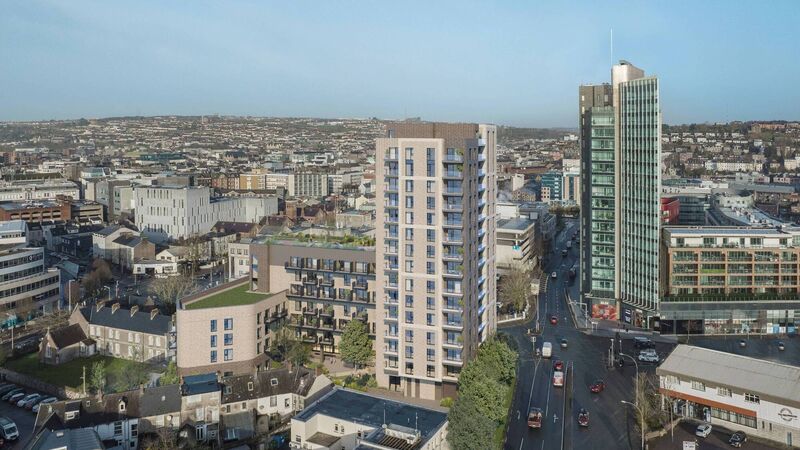
A visualisation of the Anglesea Terrace LDA development approved last October by Cork City Council — just one of a host of public realm and private developments in the pipeline for Cork. File picture
Cork is Ireland’s second city, but it is far more than that. It is the economic engine of the southern region and, after Dublin, the State’s most consequential urban centre.
National policy is explicit: Cork is to be the counterbalance to the capital, with the most ambitious growth targets in the country. By 2040, its population is set to increase by 50%. That scale of expansion will require 75,000 new jobs, thousands of new homes, and world-class transport, health, social, and cultural infrastructure. It is bold. It must be.
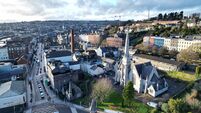
Evidence of that ambition is visible along the eastern quays. Cranes dominate the skyline. At Horgan’s Quay, the Land Development Agency’s intervention unlocked 302 affordable apartments, the first large-scale scheme of its kind since The Elysian.
Across the river at Marina Depot, hundreds more homes are rising. Kennedy Quay and the wider docklands — backed by a €353.4m Government commitment — represent one of the most ambitious urban regeneration projects in the State.
Housing delivery is no longer abstract. Around 3,000 social and affordable homes are under construction by Cork City Council and its partners, representing an investment of over €1.2bn. Some 2,600 homes have already been delivered under Housing for All.
On Albert Quay, the 217-unit Railway Apartments will set a new benchmark for social housing. Creamfields, Tivoli, Ballyvolane, and Shanakiel add further scale. If Cork is to carry the growth envisaged for it, this pace must not only continue — it must accelerate.
Read More
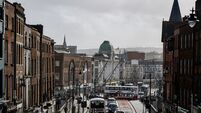
But growth is about more than numbers. It is about quality. Marina Park and the Marina Promenade have created green space that rivals any European city. MacCurtain St’s transformation into the vibrant Victorian Quarter shows what happens when streets are rebalanced for people and public transport.
Public realm upgrades around Grand Parade and South Main St are reshaping the medieval spine. A city centre directorate, community wardens, and renewed high-visibility policing signal that revitalisation is both physical and social.
The principle is clear: Success breeds success.
“First movers” create confidence. Yet infrastructure must keep pace. The Lower Lee Flood Relief Scheme is critical to long-term resilience in a city built on a flood plain.
Transport investment — from BusConnects to commuter rail and the long awaited light rail — must align with docklands delivery. The Northern Distributor Road and expanded park-and-ride capacity are not luxuries; they are prerequisites for balanced growth. Delays cost money and confidence alike.
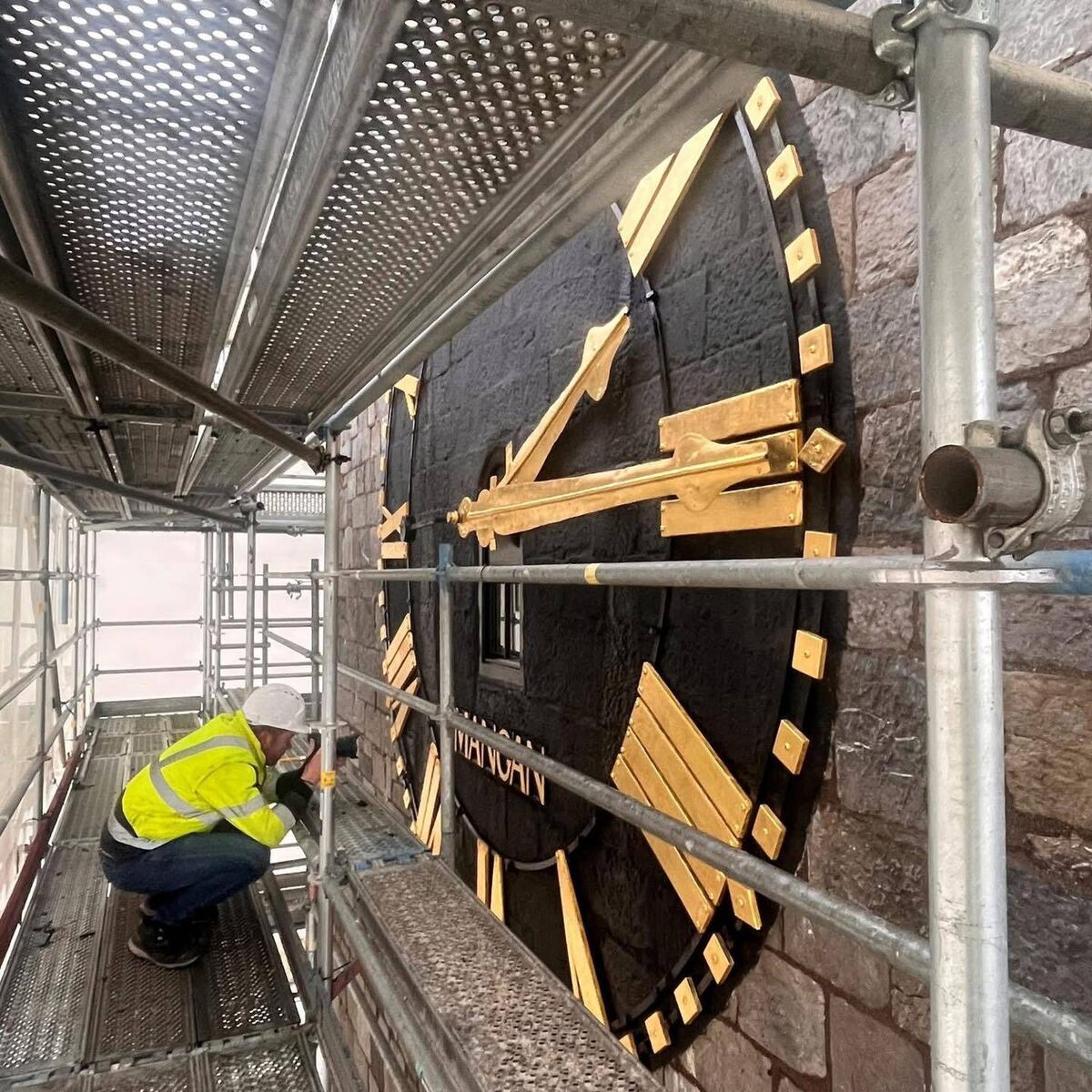
After decades of underinvestment in Ireland’s second city, funding is finally flowing. But major projects under way do not mark the end of the State’s obligation; they are the beginning of addressing historic deficits. Across Europe, second cities are treated as strategic national assets. Over-reliance on a capital is a risk no modern economy should accept.
If Cork is to perform the heavy lifting assigned to it over the next two decades, policy must be matched by sustained, whole-of government delivery.
Today, the will host Future Cork, a flagship gathering of leaders, innovators, and changemakers, with Taoiseach Micheál Martin as guest of honour. It is a timely moment. For Cork is not simply growing; it is redefining its role in Ireland’s future.
It is an opportunity to move beyond rhetoric and align civic ambition with political will. Cork’s transformation is not speculative; it is visible in steel, stone, and parkland. The task now is to sustain it, and to ensure that Ireland’s city of growth is empowered to fulfil its promise.
Ireland’s first national maritime security strategy is as overdue as it is welcome.
For an island nation whose prosperity depends on open sea lanes, secure undersea cables, functioning ports, and enforceable sovereignty across one of Europe’s largest maritime domains, the absence of a comprehensive framework has long been a strategic blind spot.
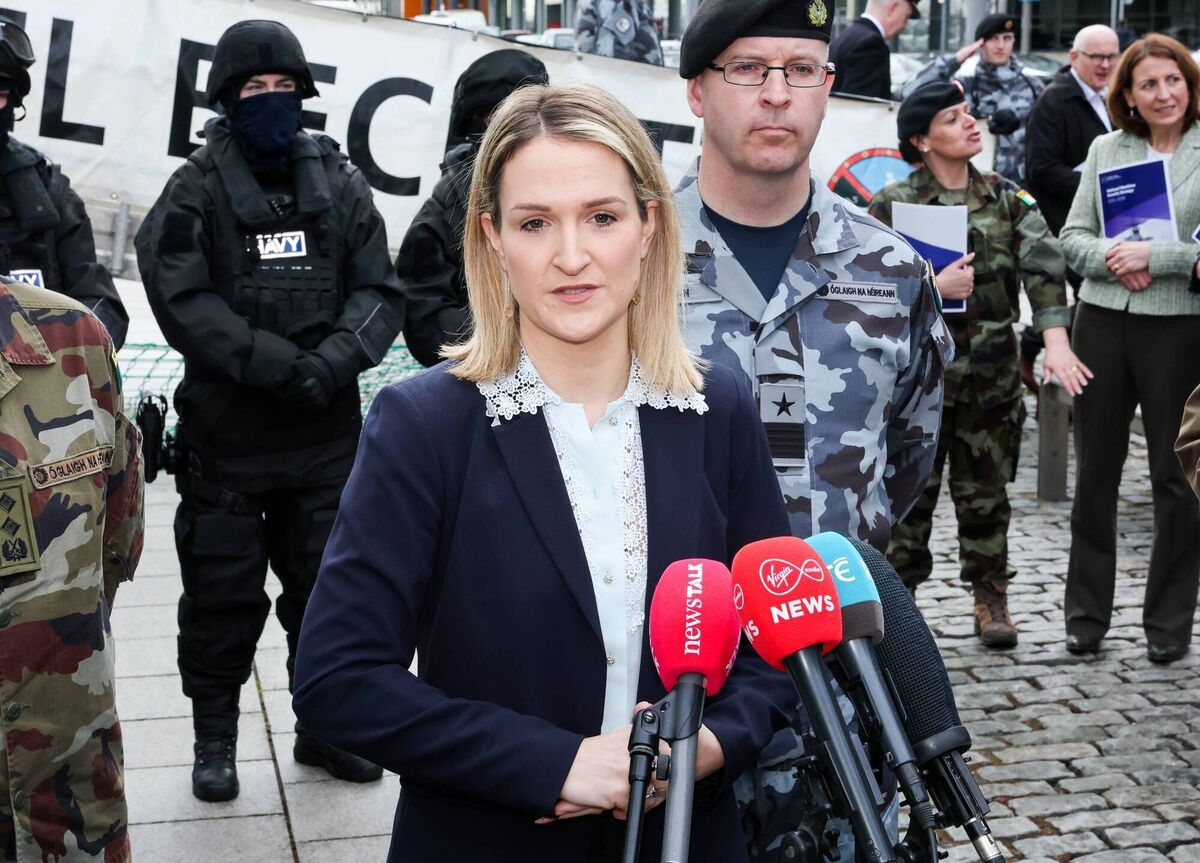
The strategy rightly places national security and defence at its core, reflecting a far more complex threat landscape than in decades past. From infrastructure sabotage and hybrid threats to vulnerabilities in subsea energy and data cables, the risks are real and evolving.
The emphasis on a whole-of-government approach — integrating Defence Forces, law enforcement, regulators, and industry — is sensible. So too is the commitment to deepen cooperation with regional partners and international institutions.
Particularly significant is the proposal to develop a national maritime security centre and to explore hosting or partnering in an EU regional cable monitoring hub.
At a time when undersea infrastructure has become a strategic target globally, Ireland cannot afford complacency. The six pillars underpinning the strategy provide a coherent architecture. The recent €1.7bn capital commitment under the defence sectoral national development plan signals intent.
But intent must translate into capability. The naval service and air corps cannot deliver enhanced surveillance, deterrence, and enforcement without sustained recruitment, retention, and equipment investment.
A strategy that rests on overstretched personnel or delayed procurement risks becoming aspirational rather than operational. This framework sets the direction for the next decade. The test now is follow-through. In a rapidly shifting security environment, hesitation carries its own cost. If Ireland is serious about protecting its maritime lifelines, delivery must match ambition — or we risk being left further behind.
History rarely lets sports stars script their own finales. Legends are too often defined by abrupt defeats, cruel injuries, or the quiet fade of time. But if anyone deserves the right to choose her last chapter, it is Katie Taylor.
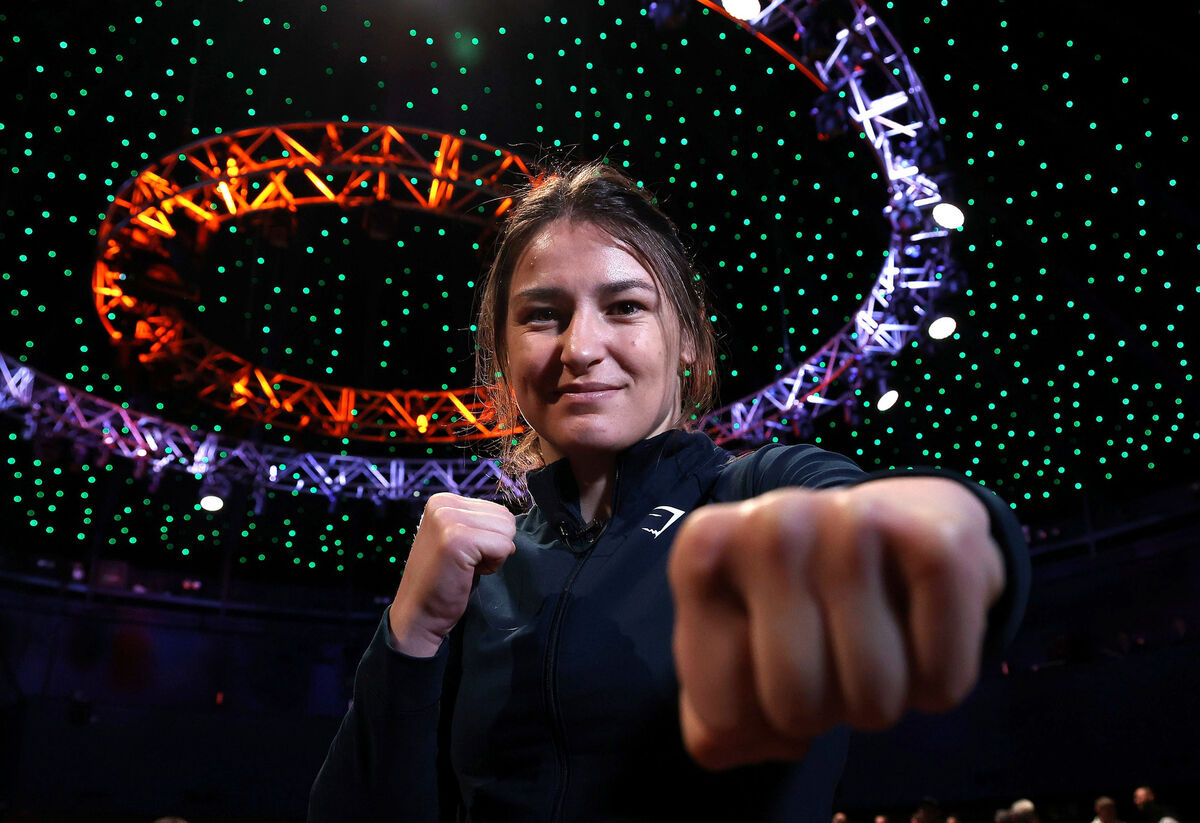
After two decades at the pinnacle of boxing — Olympic gold, undisputed world titles in multiple weight classes, and a trilogy against one of her fiercest rivals on the biggest stages — Taylor will hang up her gloves after one final fight in Dublin this summer.
At 39, in a sport that chews up and spits out countless hopefuls, Taylor has not just survived, she has redefined excellence. Every Irish supporter knows the image: The Bray woman, gloves raised, eyes fierce yet humble, carrying a nation’s hopes into battle.
Few athletes exit on their own terms. Fewer still do so with such grace, such achievement, and such love from fans at home and abroad.
Let Dublin — perhaps even iconic Croke Park — be the ring where her story ends, not necessarily in victory or defeat, but in celebration of a career that reshaped Irish sport.
Read More

CONNECT WITH US TODAY



Be the first to know the latest news and updates