Future Cork: €353m Docklands investment driving Cork housing and infrastructure growth
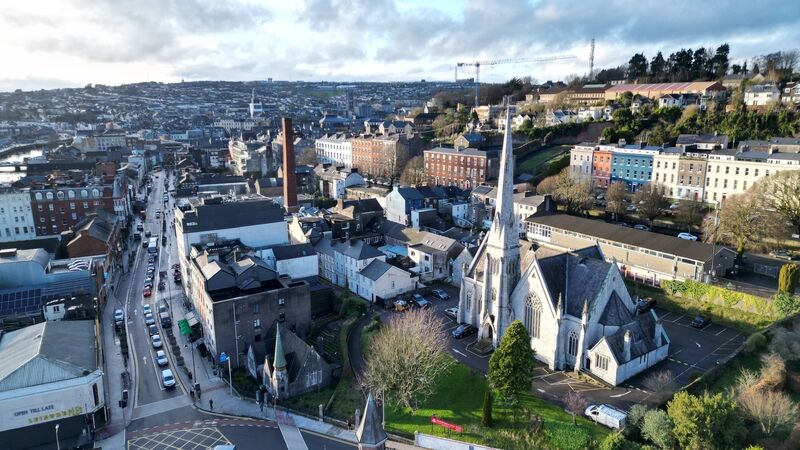
A wide aerial view of Cork City looking over MacCurtain Street, the heart of the emerging Victorian Quarter regeneration area. The district is the focus of ongoing public realm and streetscape projects. Picture: Chani Anderson
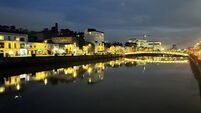
For a snapshot of where Cork City is headed, take a look along its eastern quays: Cranes are active, construction work is happening at scale, plots are being readied for the next phase of development. It’s the pulse of a city undergoing renewal at such a dizzying clip that some observers have described it as a “once-in-a-generation” moment.
It’s not just the docklands affected by the winds of change. The city centre is evolving, too. Public realm upgrades and streetscape enhancements are improving the experience for residents and visitors alike in the wider Grand Parade/South Main St area, aspirationally the city’s cultural quarter.
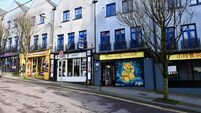
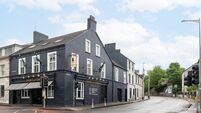
What investment like this can achieve is borne out by the successful transformation of MacCurtain St, from traffic-heavy corridor with minimal cultural identity to a socially vibrant urban space, now the heartbeat of the city’s Victorian Quarter.
And it’s not just the nightlife that’s picked up; the knock-on effect is that other businesses like what they see on the street and are prepared to take a punt on it, such as architectural practice Deady Gahan who, after 20 years in Little Island, have just relocated to Thompson House.
The former bakery — a superbly remodeled heritage building — is now fully let, and anchor tenant, Marriott International, with about 300 staff, recently renewed their lease for another 10 years.
Read More
Meanwhile, at the Brian Boru St end of MacCurtain St, the Whitbread group, owners of the Premier Inn brand, are in the early stages of delivering the city’s second Premier Inn at the former Leisureplex/Coliseum cinema site.
They’ll be offering a different visitor experience to the venerable Metropole Hotel nearby, one of the city’s most enduring and iconic buildings, so long a part of its social and cultural fabric, and a fitting venue for the ’s Future Cork event — a newspaper older than “The Met” itself.
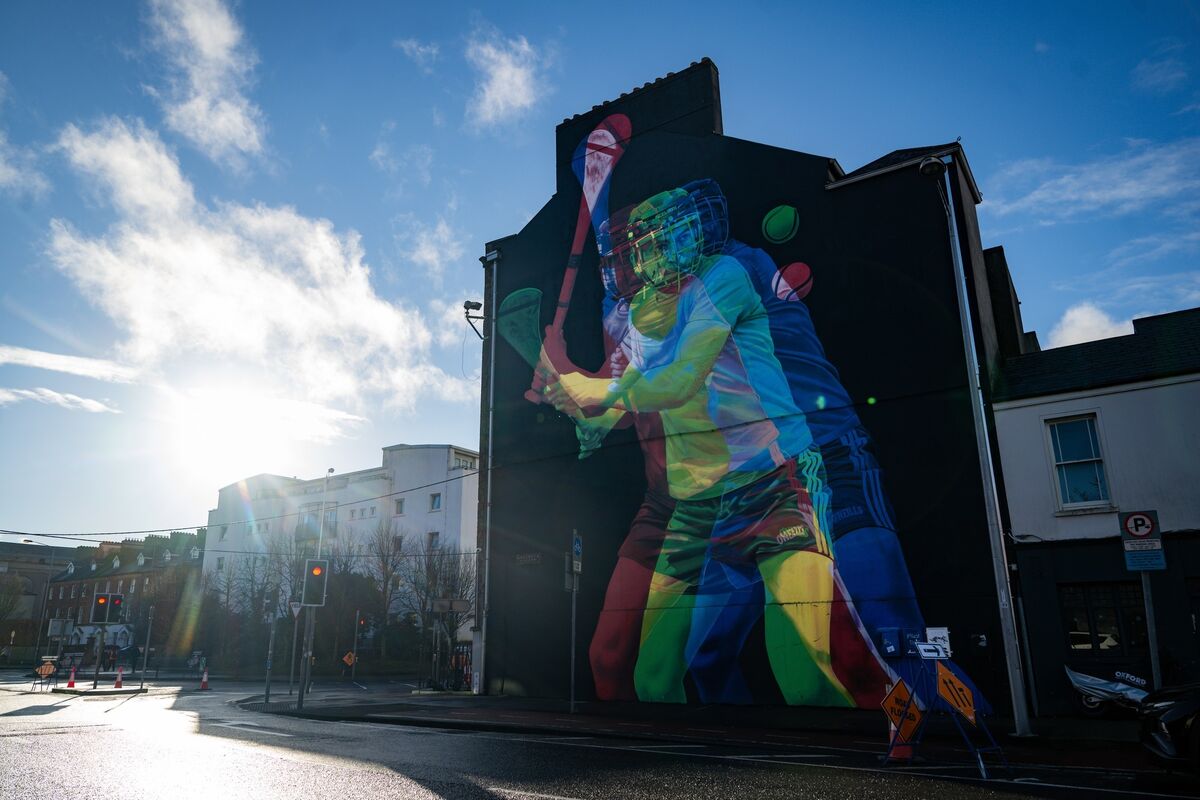
If you believe in the concept that success breeds success, it’s there for all to see on MacCurtain St. It’s a similar principle to what John Coleman, chief executive of the Land Development Agency (LDA) describes in this publication as the confidence-building effect of “first movers”.
His reference is to the LDA’s involvement in the Docklands, where their arrival kick-started a stalled, large-scale residential development on Horgan’s Quay, planned by BAM/Clarendon Properties as part of a €160m mixed-use development, but held up by financial constraints.
By swinging in behind the development as part of the Government’s “project tosaigh” initiative — designed to unlock land not being developed because of financial and other constraints — the city is set for its first apartment scheme of scale since The Elysian in 2008. It will deliver 302 “affordable” apartments, the first of which are due for completion by the end of the year.
It’s an initial step on a very long road to eventually delivering 10,000 new homes in the docklands, but it’s a significant one. As Mr Coleman points out: “The key to any successful new city area is the catalytic and confidence building effect of the ‘first movers’.”
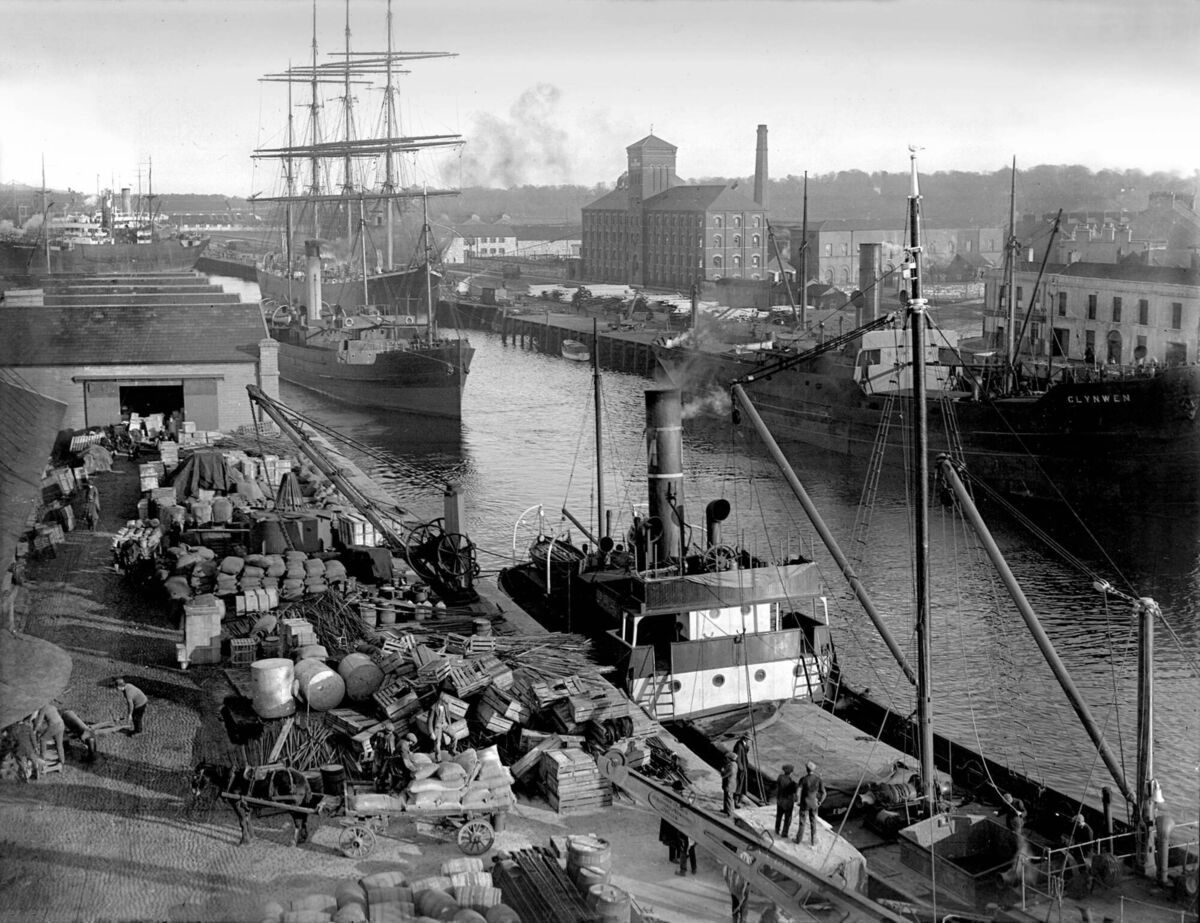
Sure enough, hot on the heels of the LDA’s involvement in the North Docklands came a collaboration with Glenveagh Properties south of the river, at Marina Depot, where 337 apartments are under construction, as part of a wider scheme to build 1,178 apartments.
O’Callaghan Properties has ambitious plans for the South Docks too, beginning on Kennedy Quay, albeit progress has been slow since the demolition of the R&H grain silos two years ago.
The scale of what’s proposed for the Docklands is so ambitious that it’s hard to get your head around it. Seven years ago, when the hosted its “Cork on the Rise” forum, the then chief executive of Cork City Council Ann Doherty — now chief executive of the Port of Cork — told the audience that Cork was at a pivotal moment in its history and needed funding to be ringfenced in order to bring certainty to long-mooted infrastructural projects.
It seems someone in Dublin was listening because two years later, the government pledged €353.4m specifically to the 147-hectare Docklands project. Moreover, it’s embedded in statutory and strategic planning frameworks.
What’s critical now is to align Docklands housing delivery with adequate transport infrastructure, utilities and services, adequate public realm (the stellar redevelopment of Marina Park is a head start), and adequate flood defences and climate resilience.
The latter is probably the most serious long-term challenge to the city’s future. Cork is built on a marsh, and the Docklands, Tivoli, and Mahon — all either earmarked for large scale housing development or in the throes of it — are part of a low-lying flood plain, highly vulnerable to flooding.
Work on the €200m flood-prevention plan — the Lower Lee relief scheme — described as “critically-needed infrastructure” by the Office of Public Works, is unlikely to get underway until next year at the
earliest. In the meantime, efforts to shore up city centre flood defences to prevent the kind of flood events that decimated homes and businesses in 2009 and 2014 are continuing.
The South Link road network — which should be free flowing — becomes gridlocked at peak hours. Yet the city has just one park-and-ride facility, at Black Ash on Kinsale Road.
Plans by the city council and the National Transport Authority to turn the park-and-ride into a major bus interchange, potentially supporting six new routes connecting the city and suburbs, have been approved, but implementation is still some way off. BusConnects, the public transport programme supposed to make buses faster, more frequent and more reliable, while reducing car dependency and congestion, is still in the very early stages, with much of the necessary infrastructure yet to be delivered. The light rail system Cork desperately needs has a mid-2030s delivery date, based on current forecasts.
The perils of an inadequate road network and transport system and their potential to hinder inward investment were driven home sharply last year when tech giant Apple, the city’s largest employer, outlined, in a planning application, why it needed extra car parking spaces at its Hollyhill campus.
Delays in the rollout of BusConnects was one reason; failure to deliver six park-and-ride facilities proposed in the Cork metropolitan area transport strategy was another; the timeline for delivery of the Cork Northern Distributor Road — a proposed major new route seen as essential to attract investment to the city’s northside — was cited too. Currently, the estimated completion date for this long-term infrastructure project is 2035.
While much of the current investment is concentrated on the city’s southside and in the city centre, significant development is also planned north of the river. The city council-backed North Docks public realm and transport infrastructure scheme will introduce new parks, a waterfront promenade, cycle routes, and pedestrian spaces around Horgan’s Quay, reshaping the quayside into a more liveable urban district.
Housing is following close behind. Further east along the Lower Glanmire Rd, the Port of Cork’s 62-hectare Tivoli Docks is earmarked for around 5,000 homes under a long-term masterplan. In Ballyvolane, hundreds of homes are being delivered by Longview Estates and O’Flynn Construction, while at the former St Kevin’s Hospital site in Shanakiel, the LDA expects to complete 97 of a planned 267 homes later this year.
Beyond the city boundary in Blarney, Cairn Homes is preparing the ground for a major multi-phase scheme that could ultimately deliver up to 3,000 homes in the Ringwood and Stoneview area. The builder is also active closer to the city at Creamfields, a 606-unit apartment development at the corner of Tramore Rd and Kinsale Rd, in partnership with approved housing body Respond and the city council.
Approved housing bodies are increasingly playing a role in housing delivery in the city. On Albert Quay, Clúid Housing has partnered with John Cleary Developments and the city council to deliver 217 units in Railway Apartments. Construction is currently underway.
In essence, Cork City and its environs are undergoing an unprecedented wave of transformation right now, and while failure to deliver flagship projects such as the event centre,
or the controversy over the cost of an art gallery extension, tend to act as lightning rods for criticism of all that is wrong, the evidence of our own eyes is that the city is experiencing a scale of change unmatched in living memory.
The challenge is to maintain the pace of change, and to reshape the city to meet the needs of future generations. It’s a task that will depend on sustained commitment from policymakers, investors, and the public alike.

CONNECT WITH US TODAY



Be the first to know the latest news and updates