Irish Examiner view: From blood scandal to Thalidomide, State must do better at righting wrongs

The late Jacqui Browne — pictured in 2010 on board the Cork yacht during the Clipper Round the World Yacht Race — was honoured last month in the 'Irish Examiner'. See link at the foot of this article. File picture: Denis Minihane
As the world remembered the 40th anniversary of Live Aid at the weekend, it was somewhat salutary to note that while we here in Ireland are unsurpassed at donating to charitable causes — we alone raised IR£1.7m (the equivalent of €22.5m today), the highest figure donated to the Bob Geldof initiative per capita globally — more often than not we fall short when it comes to doling out financial justice in other matters.
There have been many such examples down the years, with one of the most notorious — and costly to the State — being the blood scandal whereby people were contaminated by transfusions or blood products through the 1970s and into the 1990s.
It led to the setting up of a compensation tribunal, which has thus far cost the State an estimated €800m and which has been sitting since 1996 and will continue its work well into the future.
For those whose lives were shattered by the scandal, it was very much a case of justice eventually being delivered, but for many it was too late.
There have been many similar instances of medical misadventure here — collective and individual — down the years but invariably these have settled after hugely costly and unnecessary court trials or been ignored for years or otherwise handled with insensitivity or downright negligence.
One such case has involved the treatment — or lack of it — afforded to the survivors of the thalidomide scandal who, because their mothers were prescribed the German-made drug which was supposed to cure morning sickness in pregnant women, ended up being born without limbs, or having a variety of physical deformities.
The State has treated these survivors appallingly, with no formal apology, no funding of medical aid for those affected, or, indeed, any compensation.
The State did appoint a High Court judge, Mr Justice Paul Gilligan, to engage with thalidomide survivors, but even that welcome move came fully 60 years after the truth about the effects of the drug on mothers and their children were fully known.
Most of those mothers have now passed on and their children — mostly aged in their mid-to-late 60s — are still awaiting justice. That the State has dragged its heels on this matter is a sad indictment and a considerable understatement.
The generosity of Irish people towards charitable causes and their support of those less fortunate than themselves is a thing of legend. Sadly, the same cannot always be said about the Irish State.
Indeed, since the depopulation of in 1954, there has been a collective Irish sense which merges at a line somewhere between guilt and shame that it was allowed to happen at all.
When the decision was taken to evacuate Great Blasket Island, its population had declined to 22 from a recorded peak of 175, the ever-worsening winters which cut off the increasingly elderly residents from emergency services. Most of its citizens deemed it necessary and the government agreed; the majority left in November 1953, with the hold-out Ó Súilleabháin family finally following early the next year.
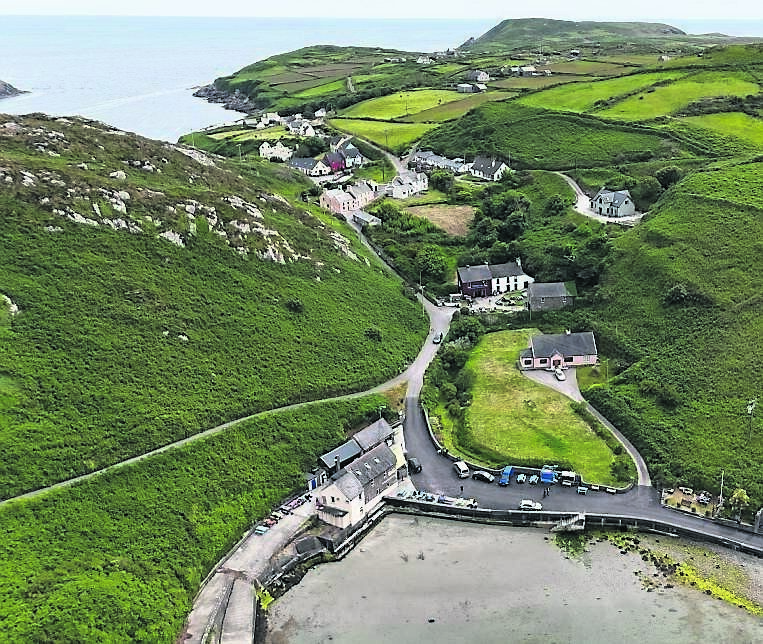
In the 'Irish Examiner' on Monday, we posed the theory that another of Ireland’s great populated islands, Oileán Chleire — or Cape Clear — is dying on its feet due to a lack of children at its school, limited opportunities for natives to find housing, and a population that’s not getting younger.
There are certainly merits to this notion, but the reality is that much has been done to keep the island alive as a place people can have active and productive lives and, most importantly, earn a viable living.
Census 2022 recorded 110 people living there and that is pretty much the case today.
That is not to say there are challenges facing the small community — and there are many of them — but there seems to be a collective will that Cape Clear will never be allowed go the way of the Great Blasket.
There are many issues to be addressed, not least the balance between investment in business development and the struggle to provide housing, but the islanders are as resilient as they are determined and those factors will be the best bulwark against any suggestion that it ever be abandoned.
Once the bastion of stability in our lives, the Irish pub has been through a fraught time in the last 20 years, and the next decade is not looking too healthy either.
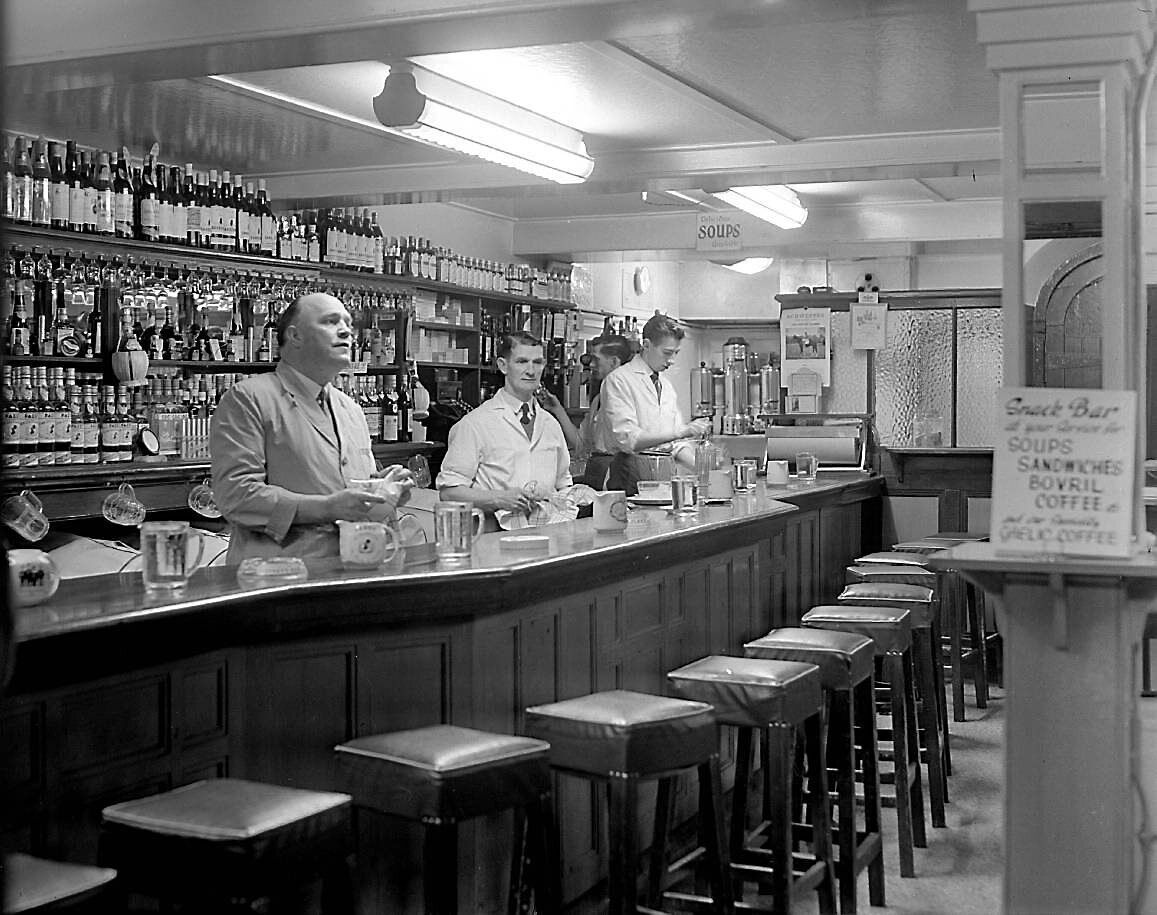
While it is ironic that Irish pubs have sprung up in huge numbers across the globe in those 20 years, the number of bars in this country is plummeting.
Some 2,119 pubs have shut their doors between 2005 and now, and we will lose a further 1,000 in the coming decade.
While this has been a tragedy for many rural communities in social terms, higher costs, changing societal norms, and economic uncertainty have forced closure on many publicans.
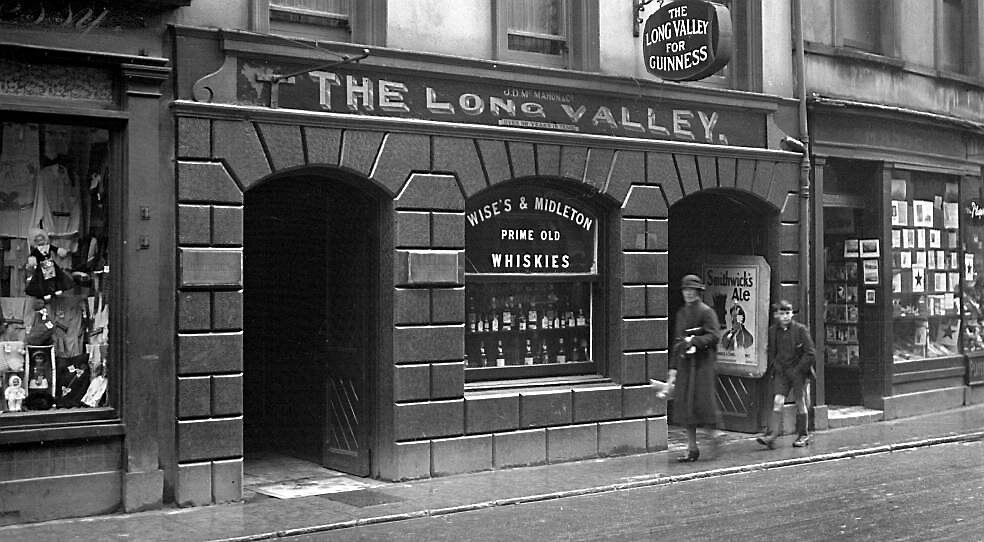
But perhaps the tide could be changed with a little innovation from the Government, as a small percentage drop in its tariff take on alcohol might make many tightrope businesses considerably more viable and allow communities keep their cherished social hubs.
Read More
CONNECT WITH US TODAY



Be the first to know the latest news and updates