Irish Examiner view: Motorists are missing the penalty point on road safety

The number of deaths on Irish roads this year has risen to 69. Picture: Brendan Gleeson
There were five road deaths this week alone, which brings the number of Irish road deaths for 2024 to 69 people. That means 18 more fatalities than this time last year, and 2023 was regarded as a particularly bad year for road deaths.
This is the usual starting point for calls for stricter policing and increased Garda visibility, but a contribution from a member of the Irish Road Victims' Association raised a pertinent question.
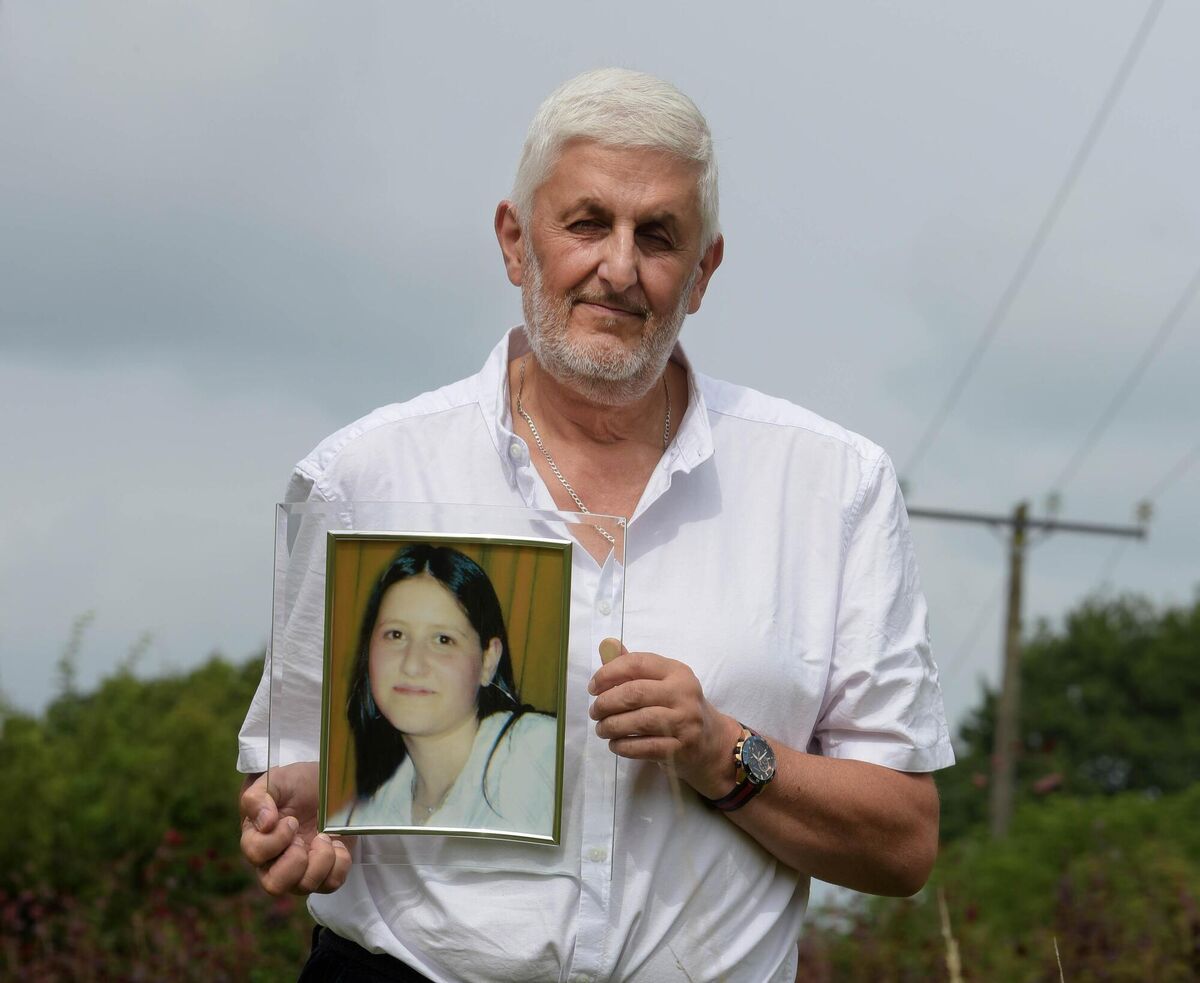
The association’s vice president, Leo Lieghio, said this week: “I don’t know what was involved in the most recent tragedies but, in general, people seem to have lost the fear of penalty points, of being caught speeding, or drink/drug driving, or of losing their driver’s licence.”
Mr Lieghio’s point is worth teasing out. If people are not concerned by existing sanctions, then we have a serious problem. Those sanctions derive much of their power from the deterrent effect.
It is certainly plausible that people who are willing to gamble with others’ lives by drink driving, for instance, are unlikely to be troubled by the prospect of a couple of penalty points.
This, in turn, leads to another concerning possibility: Can we infer that there is now less public shame attached to being caught drink driving or to losing one’s driving licence?
If these assumptions are reasonable, then more serious sanctions may have to be imposed on those who break the law while driving.
However, we may also have to look seriously at the terminology used when describing incidents on the road. A case before the courts recently dealt with the death of a motorcyclist who was killed when struck by a car driving on the wrong side of the road. Judge Martin Nolan imposed a six-month jail sentence on the driver, which he suspended in full and did not disqualify him from driving.
The dead man’s daughter made a telling point when she stated: “Accidents don’t happen, they are caused.”
Accepting that crashes can be the result of decisions being made rather than random events — accidents — would be a helpful change of mindset.
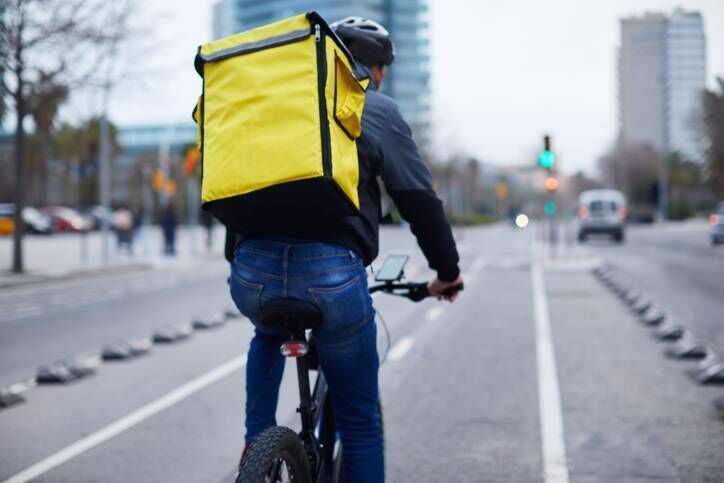
Welcome news from Europe when it comes to some of our most vulnerable workers. Delivery drivers and others engaged in the gig economy will enjoy better protections and conditions under the new Platform Workers Directive.
Approved on Wednesday, the directive introduces a “presumption of an employment relationship” for workers in the gig economy that is triggered when “facts indicating control and direction are present”.
This is a significant development, as it means the onus will now be on the platform concerned to prove that there is no employment relationship, thus moving to “correct the imbalance of power between the digital labour platform and the person performing platform work”.
The gig economy is depicted by its supporters as offering flexibility and freedom to workers, though many others have queried the low wages and job insecurity associated with the sector, not to mention the working conditions of some of its most visible workers. Delivery drivers and cyclists operate under significant time pressure to complete their assignments, which can lead to them taking risks on the roads.
On its merits, this new measure is welcome because it empowers a cohort of workers who are at real risk of exploitation. There are other provisions in the directive, however, which may have ramifications for people working in many other areas of the economy.
Reports state that the directive will ban companies from accessing personal data on workers, but what is even more striking is a provision that will ensure that a person performing platform work cannot be fired or dismissed based on a decision taken by an algorithm or an automated decision-making system.
There was a time when such a provision — a faceless computer deciding autonomously who to fire and who to retain — would have been the stuff of science fiction. In many ways the algorithm scenario may be more frightening: A mathematical formula dispensing with one’s services after a quick calculation.
It’s worth pointing out that this is not a glimpse of the future. These are legal provisions for the protection of workers in the present.
Hurley was born in Cork but even though his family moved to London when he was still an infant, he was always strongly identified with Cork and Ireland.

He won 40 international caps at a time when there were far fewer opportunities to do so. Hurley was centrally involved in putting Ireland 1-0 up against favourites England in the sides’ legendary clash in 1957 in Dalymount Park, though the visitors levelled the game late on.
Spending 12 years in the red and white stripes of Sunderland, Hurley became synonymous with the north of England club to the extent that he was named its player of the century in a 1979 poll. When Roy Keane took over as Sunderland manager in 2006, Hurley spoke out in support of his fellow Corkman, support which carried considerable weight among the Sunderland faithful.
From a childhood scarred by the Blitz to offering a widely-reported imprimatur in the social media age, Charlie Hurley led a life like no other. Ar dheis Dé go raibh a anam.
CONNECT WITH US TODAY



Be the first to know the latest news and updates