Irish Examiner view: Covid inquiry terms of reference are still a mystery
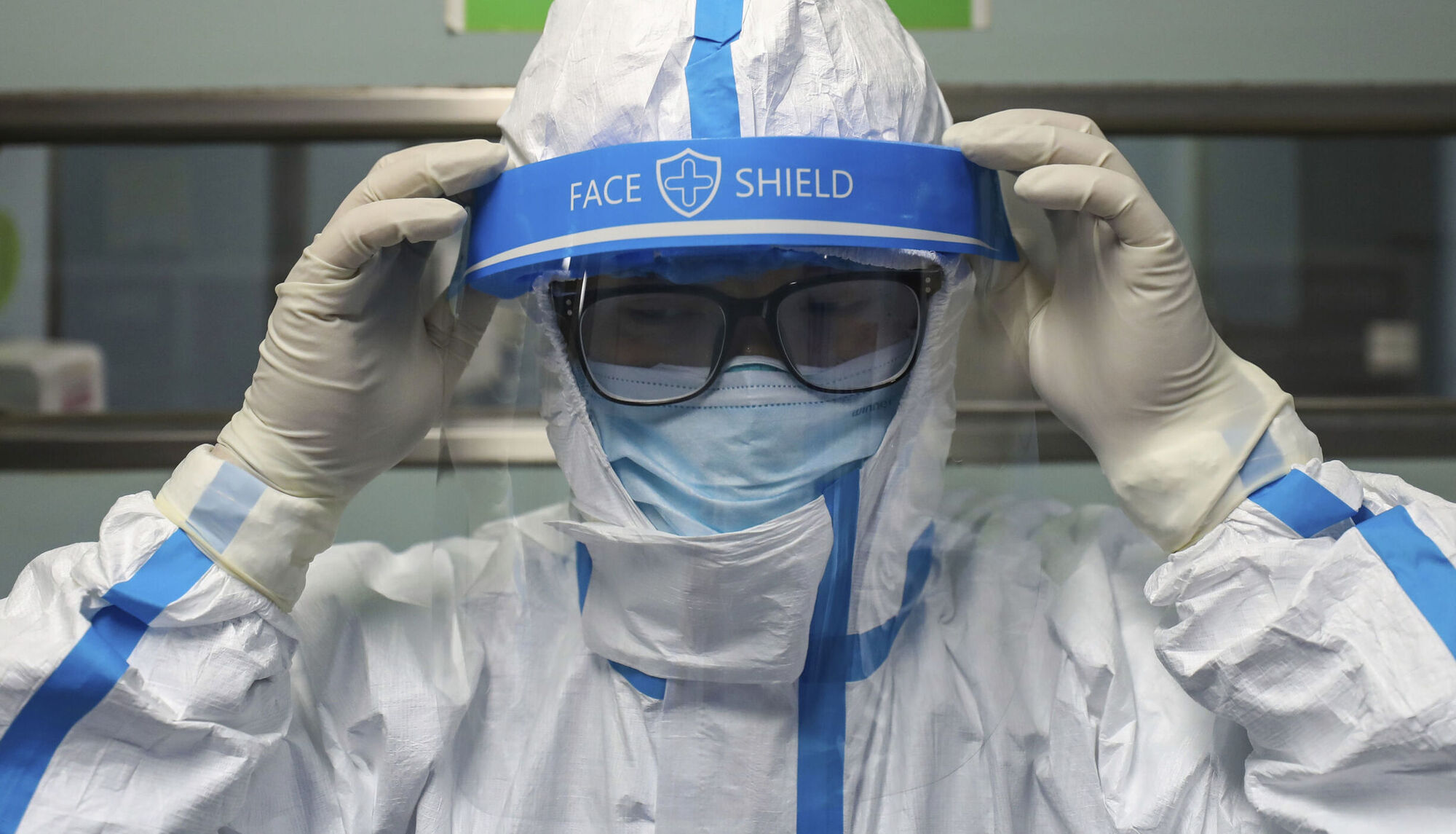
A new book about the onset of covid in China may offer perspectives for those looking into the way the pandemic has handled in Ireland
A doctor in an isolation outfit in Jinyintan Hospital in Wuhan on February 13, 2020. By the time Wuhan was sealed off, as many as half a million people had left for the Lunar New Year holiday — an echo of the decision to proceed with the Cheltenham Festival in March 2020. Chinatopix/AP
A doctor in an isolation outfit in Jinyintan Hospital in Wuhan on February 13, 2020. By the time Wuhan was sealed off, as many as half a million people had left for the Lunar New Year holiday — an echo of the decision to proceed with the Cheltenham Festival in March 2020. Chinatopix/AP

Back in January, when snippets of information began to emerge in the lacklustre manner which has characterised Ireland’s approach to a covid inquiry, we were told that terms of reference were proving difficult to agree.

Feedback was awaited from opposition parties. But on some things Taoiseach Leo Varadkar and Health Minister Stephen Donnelly were clear. Ireland would adopt a “no-blame approach” and our own hearings would not be a “UK-style” inquiry.

By which they mean there will be no statutory powers to compel evidence.

“Urgent” matters will be capable of being referred directly to the Taoiseach, although it is difficult to imagine what they might be, given the glacial progress we have made so far. A better definition of lack of urgency would be difficult to find.

Even though we haven’t started, a final report is expected, if you can suspend your disbelief, to be on the Taoiseach’s desk “at some point” in 2025.

Given that the pandemic affected every citizen here, young and old, you may be forgiven for concluding that there’s a certain insouciance to the delays in placing an account before the nation.

Granted that political leaders are wary of the process — Mr Varadkar said it was important that it did not stray into “all sorts of things”, as had happened in the UK — it is difficult to justify the snail’s pace at which we are moving.

The “all sorts of things” across the Irish Sea relate to the inefficiencies and divisions of the brahmin classes, and in particular the parties in Downing St at the height of lockdown, activities for which the electorate is looking forward to taking its revenge at the ballot box.

However, no such issues arise in Ireland and we should get on with matters, as is happening elsewhere.

One of the great debating points for future planning concerns rapidity of response with the Sligo epidemiologist and World Health Organization executive director Mike Ryan stressing the need to act fast and have no regrets.

Speed trumps perfection, he added.

This weekend a new book tries to pull back the bamboo curtain about what happened in covid’s ground zero, Wuhan, in the Chinese province of Hubei when signs of an emerging Sars-related virus became apparent in the last days of 2019.

In his book Wuhan: How the covid-19 outbreak in China spiraled out of control, Dali Yang  provides a forensic timetable of events in the month before the city of 11m people was locked down.

Mistakes included a mass banquet which brought together 100,000 people on January 18 despite health officials being aware that the virus was spreading between humans.

The book avoids speculation about covid’s origin but provides detailed description of how doctors, lab staff, virologists, and local and national politicians grappled with the arrival of a novel “pneumonia of unknown aetiology”.

Prof Yang concludes that there was nothing inevitable about the spread of covid but that advantages held by China were compromised and finally overcome by a fragmented, authoritarian political system that was ill-suited to deal with the emergency.

A significant mistake was to fail to acknowledge, and act upon, cases that were not linked to the Huanan seafood market, the location of the first concentration of disease clusters.

By the time Wuhan was sealed off from the world, as many as 500,000 people had already left for the Chinese New Year holidays.

There’s something of an echo here of the decision to proceed with the Cheltenham Festival in March 2020.

Perhaps the implications of that will be considered by Ireland’s covid inquiry. Perhaps it won’t. Who knows?

We must suspect that the covid inquiry, like the issue of assisted dying, is being kicked down the road as jobs for the next Dáil.

Meanwhile, we should remember Prof Yang’s warning.

“It’s the weakest links that matter the most.”

Iconic war photo 

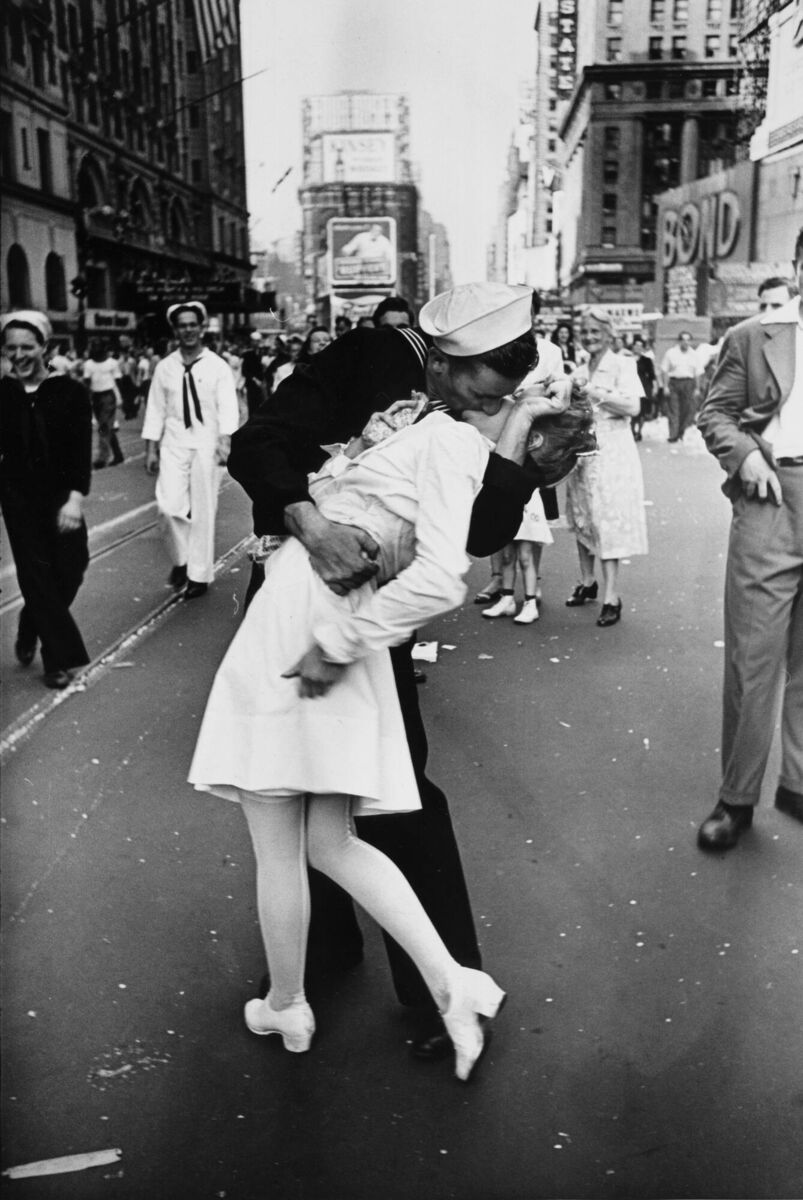
It is one of the most iconic images in the history of photography.

On Victory in Japan Day in New York’s Times Square, a US sailor sweeps a nurse into his arms and kisses her full on the lips, their bodies arching across the frame.

The iconic photo of George Mendonsa and Greta Friedman was taken on August 14, 1945.  Picture: Alfred Eisenstaedt/Pix Inc/Time&Life Pictures/Getty Images

At the time it was portrayed as an unbridled, spontaneous expression of joy over the ending of years of conflict. A matter of kissing the war goodbye. It appeared on the front pages of newspapers across the United States and the world.

A number of people claimed to be the featured couple although it is generally accepted that the sailor was George Mendonsa and the subject of his ardour was dental assistant Greta Friedman.  

Both later acknowledged that the kiss was not consensual.

“It wasn’t a romantic event. It was just an event of ‘thank God the war is over’ kind of thing,” Ms Friedman said. “It wasn’t my choice to be kissed. The guy just came over and kissed or grabbed.”

Mr Mendonsa, who died in 2019, said he had “had a few drinks” on the day and had just returned from the war in the Pacific.

“When I saw the nurse, I grabbed her and I kissed her.”

Seen through the prism of the 21st century ,the photograph falls foul of contemporary values, with a Veterans’ Association official saying its public display was in conflict with the organisation’s desire to provide a “safe, respectful, and trauma-informed environment”.

She said the image “depicts a non-consensual act” which is “inconsistent with the VA’s no-tolerance policy towards sexual harassment and assault”,

On this occasion, attempts to banish it to a warehouse were overturned. But it is a reminder of the movement, which can be seen at work also in the removal of public statues and the rebalancing of art collections, to concern itself more with reinterpreting matters of the past than facing the challenges of the future.

Many happy Re-turns

It is notoriously difficult to make changes in public behaviour stick, with the possible exception of the smoking ban which was introduced more seamlessly than many ever thought possible. It seems we quite like our clean air.

It was unlikely that the deposit return scheme, which is a modest enough measure to control waste, would get off to a flying start when it was launched at the beginning of February, with thousands of reverse vending machines installed in 2,200 shops.

Customers who purchase a can or bottle with the Re-turn logo can claim back between 15c and 25c per purchase, depending on the size of the container.

The used containers are inserted into a machine which reads them, confirms they are part of the deposit return scheme, and issues a voucher which must then be redeemed at the same retail outlet where the deposit was made.

All a bit bureaucratic, and a process designed to appeal to the obsessive compulsives among us. However, more than 2m containers have been collected in the first month.

While some people regard the deposit levy as a stealth tax, an argument which carries some weight, others believe that a refund of a few cents is not worth the candle.

For those for whom small sums are of little consequence there a plenty of examples of what happens abroad in cities which have long adopted the scheme and have ubiquitous barcode- reading container machines.

In places such as Brooklyn, New York, and Vancouver, Canada, or Hamburg, Germany, it is a common sight to see less-privileged fellow citizens collecting bottles and cans from the streets and converting them to cash or vouchers.

For those for whom 25c means little, it is a way of helping people out who might be considered less fortunate.

Single use plastic is a blight on our world, and it is something we must get under control. Water bottles litter everywhere. Crisp packets blow down our streets like tumbleweed. After a lot of talk, sachets of sauce and mini-shampoo bottles are to be banned from restaurants and hotels in the EU.

Plastic shrinkwrap of the kind which goes around cases, and is one of the ugliest manifestations of international travel, will also disappear by 2030.

These are small points of progress, but ones we can build on. Let us stick with, and support, the deposit return scheme.


More in this section

Revoiced

Newsletter

Had a busy week? Sign up for some of the best reads from the week gone by. Selected just for you.

Cookie Policy Privacy Policy Brand Safety FAQ Help Contact Us Terms and Conditions

© Examiner Echo Group Limited