Irish Examiner view: Leaders need careful selection
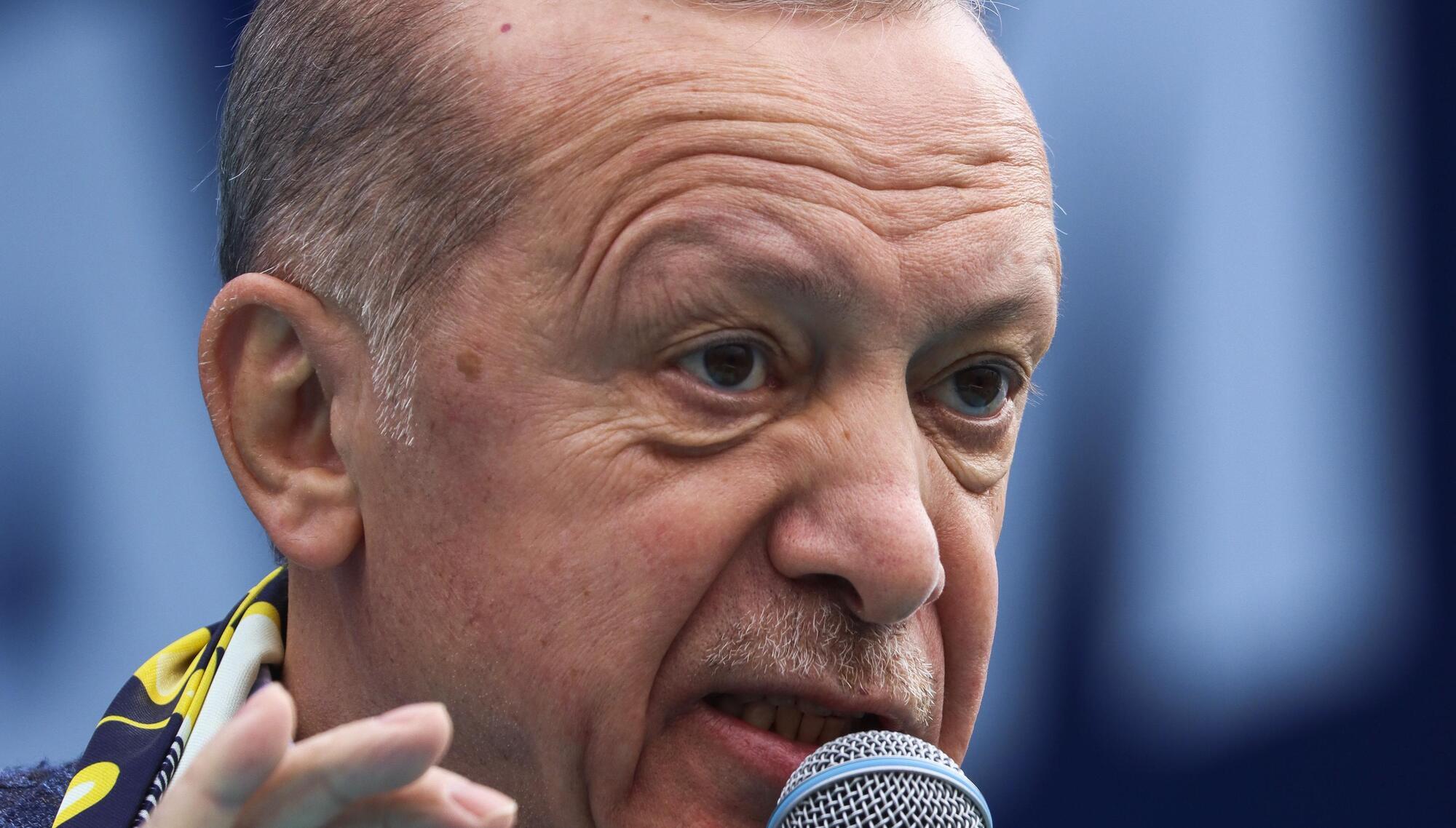
Elections in Turkey offered the opportunity for it and its 65m voters to choose a new direction
Irish Examiner view: Leaders need careful selection

At one stage, Turkish president Recep Tayyip ErdoÄźan seemed certain to usher in a third decade of rule. Picture: Ali Unal/AP

It is more than a century since Turkey was routinely described as “the sick man of Europe” and Sunday’s election offered the opportunity for it and its 65m voters to choose a new direction after eight years of the incumbent, Recep Tayyip Erdoğan.

While preliminary results were emerging on Sunday night, it was too early to say whether Mr Erdoğan’s AKP had done enough to recover from significant setbacks, including inflation and currency crises and the reputational damage caused by the response to the earthquakes which claimed the lives of more than 50,000 people and generated criticism over shoddy building procedures.

At one stage, ErdoÄźan seemed certain to usher in a third decade of rule and influence to mark the centenary of the creation of the modern secular state on July 23, 1923, and the foundation of the republic three months later under the leadership of Mustafa Kemal AtatĂĽrk.

Erdoğan controls a country in which Europe comprises only 3% of the territory, with 97% of it lying in Western Asia behind the Bosphorus, the Sea of Marmara, and the Dardanelles. He survived a coup attempt in 2016 and has steered a difficult path with bellicose neighbour Vladimir Putin. 

Much of his support comes from conservative and Islamic areas. Opposition candidate Kemal Kılıçdaroğlu is more liberal in approach and is likely to seek to strengthen ties with the EU. Turkey is already an important member of Nato. It has a median age of 31 (Ireland’s is 38) and is expected to show substantial growth in the next three decades. If neither Mr Erdogan nor Mr Kılıçdaroğlu’s alliance of six parties achieve more than 50% of the vote, as was looking increasingly likely last night, there will be a run-off election on May 28.

The contest in Turkey heralds 18 months which could see highly significant changes in the geo-political map of the world at a time when international relations are at their most volatile since the Second World War, with conflicts already taking place in Eastern Europe and the Sudan.

In South Africa the ANC, under the guidance of president Cyril Ramaphosa, one of the few remaining links to the Rainbow Nation policies of Nelson Mandela, Oliver Tambo, and Jo Slovo, faces re-election next year. This strategically important country, suffering from serious allegations of corruption, faces a mounting challenge from the Marxist-Leninist Economic Freedom Fighters and the lurking presence of the deposed fourth president, Jacob Zuma.

The next general election in India — currently under the control of the Hindu nationalist Bharatiya Janata Party and its leader, prime minister Narendra Modi — must take place during April and May 2024. Neighbours Pakistan, already riven by the conflict over former president Imran Khan following his arrest in Islamabad last week, must hold a general election no later than October 14 this year.

The British general election, which could see a seismic split in the Conservative party, is likely to take place in summer or autumn of next year and must, anyway, be completed by January 2025 under parliamentary legislation passed in 2022. The US presidential election is scheduled for November 5, 2024.

There are a number of influential world leaders who do not have to cope with the inconveniences of the ballot box. One is Vladimir Putin; another is Xi Jinping; a third is Ali Hosseini Khamenei of Iran. The next election scheduled for Ukraine is March 2024. The world may be a very different place by then.

x

More in this section

Revoiced

Newsletter

Sign up to the best reads of the week from irishexaminer.com selected just for you.

Cookie Policy Privacy Policy Brand Safety FAQ Help Contact Us Terms and Conditions

© Examiner Echo Group Limited