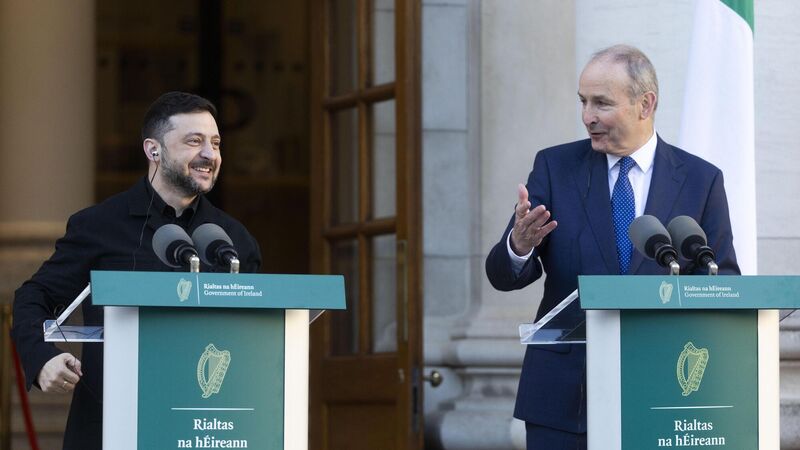
Ukrainian president Volodymyr Zelenskyy addressed the joint Houses of the Oireachtas yesterday, a signal honour that puts him in select company. Older readers, for instance, may recall US president John F Kennedy enthralling Leinster House at a similar sitting over 60 years ago.
Yesterdayâs address came in a very different context.
Since Russia invaded Ukraine, Zelenskyy has been targeted by assassins more than once, with one of those assassination attempts, in 2022, resulting in fatalities within the presidential offices in Kyiv.
That is the reality faced by yesterdayâs visitor, which made his words all the more piercing.
He paid a glowing tribute to his hosts, saying the Irish and Ukrainians are âamong the few in Europe who spent centuries fighting for the right to remain themselvesâ.
âThank you for your steadfast support, for these years of standing with us, and thank you for not losing faith in us, just as we do not lose faith in the day that will come when we will welcome all our friends to Ukraine in peace,â he said.
In stating that Ireland has not lost faith in Ukraine, there was an acknowledgement from Zelenskyy that in some places there may be a certain amount of fatigue with a war that has now drifted on for almost four years. It was all the more interesting, then, to hear him attach such importance to Ireland speaking up on behalf of Ukraine.
âWe do not feel your voice, the voice of Ireland, is turning quieter,â said Mr Zelenskyy. âDear Ireland, please remember your voice matters.â
Speaking up â for peace and against injustice, for the downtrodden, and against aggressors â is an obligation we should not shirk. The standing ovation Ukraineâs leader received yesterday in Leinster House is one more expression of a solidarity which cannot be allowed to falter.
Public broadcasting:Â Funding alone will not lead to improvements

The whiff of sulphur continues to hang around RTĂ, with the State broadcaster coming off second-best in a recent comparison made by an informed party.
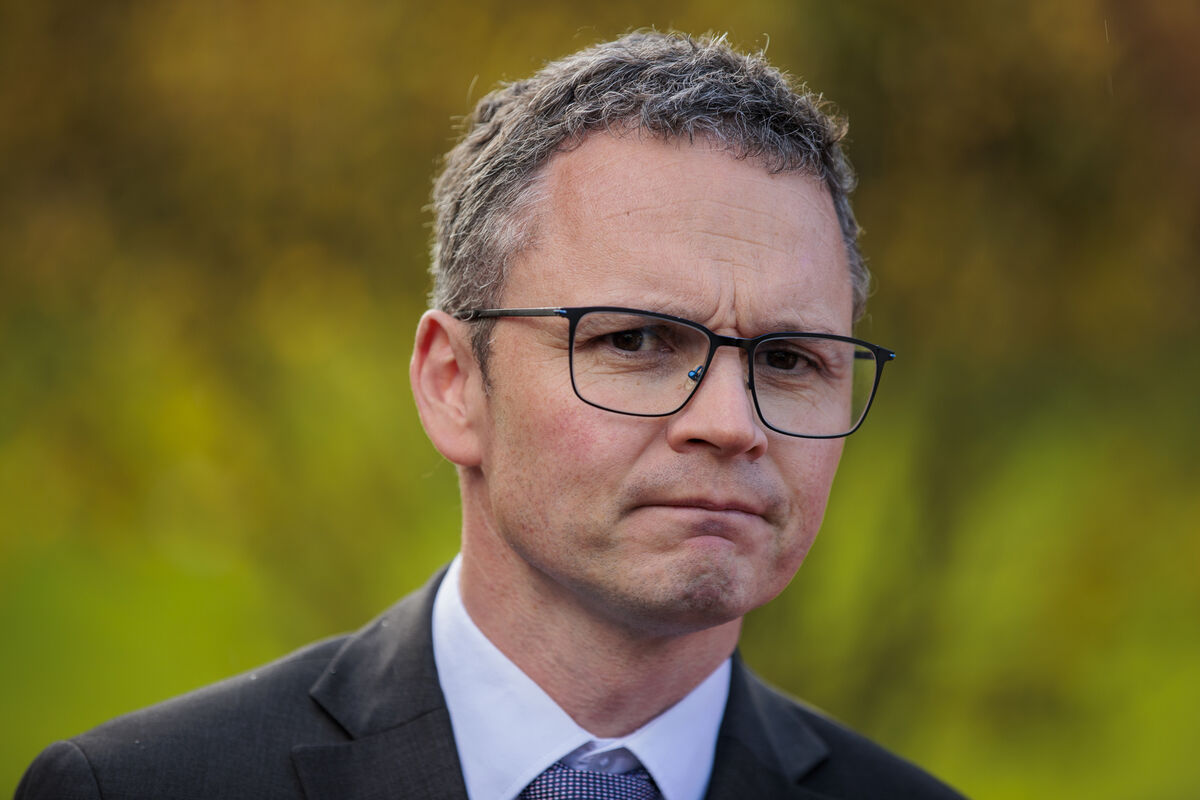
The minister with responsibility for media matters, Patrick OâDonovan, is to bring a memo to Cabinet to inform ministers that the national media supervisory body, CoimisiĂșn na MeĂĄn, has now completed its statutory five-year review of funding for RTĂ and TG4.
While the organisation will recommend increases to help both broadcasters meet their public service obligations, there is a sharp difference in how CoimisiĂșn na MeĂĄn views them, stating that while TG4 has âadapted effectively with expanded youth and digital servicesâ, RTĂ remains at a critical point.
There is, of course, a wider context to this evaluation. The media watchdog states in its report that Irelandâs public service media faces âsevere structural challenges: Declining broadcast audiences, ageing viewership, global competition, and rising digital expectationsâ.
This is easily verifiable with reference to the changing media habits of young people, the eroding interest in linear television, and the ease with which all media consumers, young and old, can access broadcasting and online content originating far from these shores.
It is surely significant, however, that an organisation as small as TG4 is being held up as a good example of how to pivot to meet such challenges.
The Government will fund the Irish-language broadcaster to the tune of âŹ65.4m in 2026, whereas it is to raise the funding of RTĂ to âŹ240m in 2026 and âŹ260m the year after.
If CoimisiĂșn na MeĂĄn is recommending increases in funding for RTĂ on the basis of helping it to meet its public service obligations, it is difficult to reconcile that principle with recent decisions which have a direct impact on those obligations.
The decision to shut down RTĂâs in-house TV documentary unit is a case in point, as documentaries are the embodiment of public service broadcasting.
The contradiction between increased funding for RTĂâs public service obligations and operational decisions running contrary to those obligations needs to be resolved.Â

Continue reading for âŹ5
Unlock unlimited access and exclusive benefits
Already a subscriber? Sign in
Cancel anytime
Hugh Wallace:Â A career built on personality

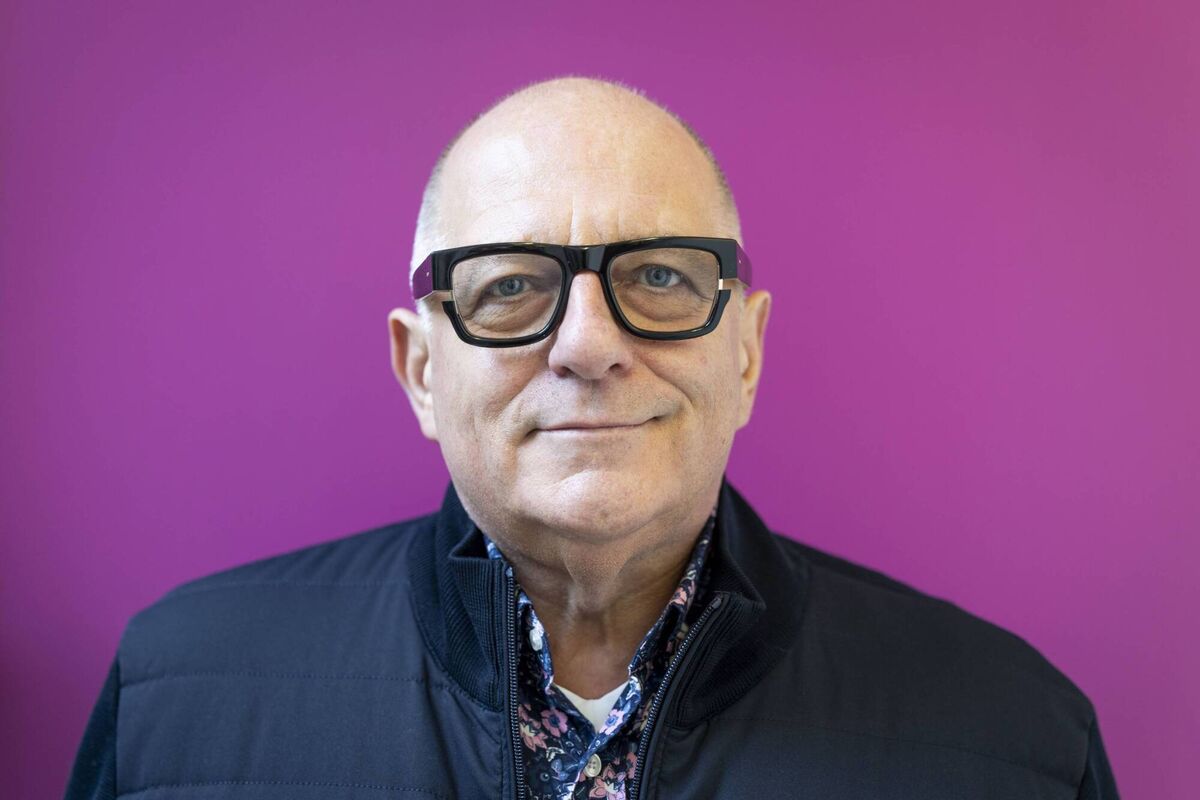
There was a sense of shock around Ireland in recent days when news broke of the sudden death of Hugh Wallace at the age of 68.
Mr Wallace had a distinguished career as an architect: He was a founding partner of Douglas Wallace Architects. Though the practice was based in Dublin, he worked on designs for hotels, retail spaces, and homes based all over the country.
However, he was best known as a judge and presenter on various design-related TV series such as Home of the Year, The Great House Revival, and My Bungalow Bliss. His engaging personality and keen eye for the telling design detail made him a huge hit with audiences, and he was the only judge who appeared in every series of Home of the Year since it first screened back in 2015.
Tributes have flooded in since his death, with Taoiseach MicheĂĄl Martin saying he was âdeeply saddenedâ by the news, citing Mr Wallaceâs âadvocacy for good architecture, coupled with his wonderful communication skills, [he] performed a wonderful public serviceâ.
He also did the public some service in speaking frankly about his alcoholism, telling Vickie Maye of this parish that âwhen I was 52, I went to the doctor at the bottom of the barrel and he said: âYouâre an alcoholicâ. I was very relieved I wasnât going to die because now I knew I could stop it... I did counselling and went to the Stanhope Centre for rehabilitationâ.
Condolences to his husband Martin, friends, and family.
CONNECT WITH US TODAY
Be the first to know the latest news and updates