Irish Examiner view: Dining out has bounced back. Now it's time for a second breakfast...
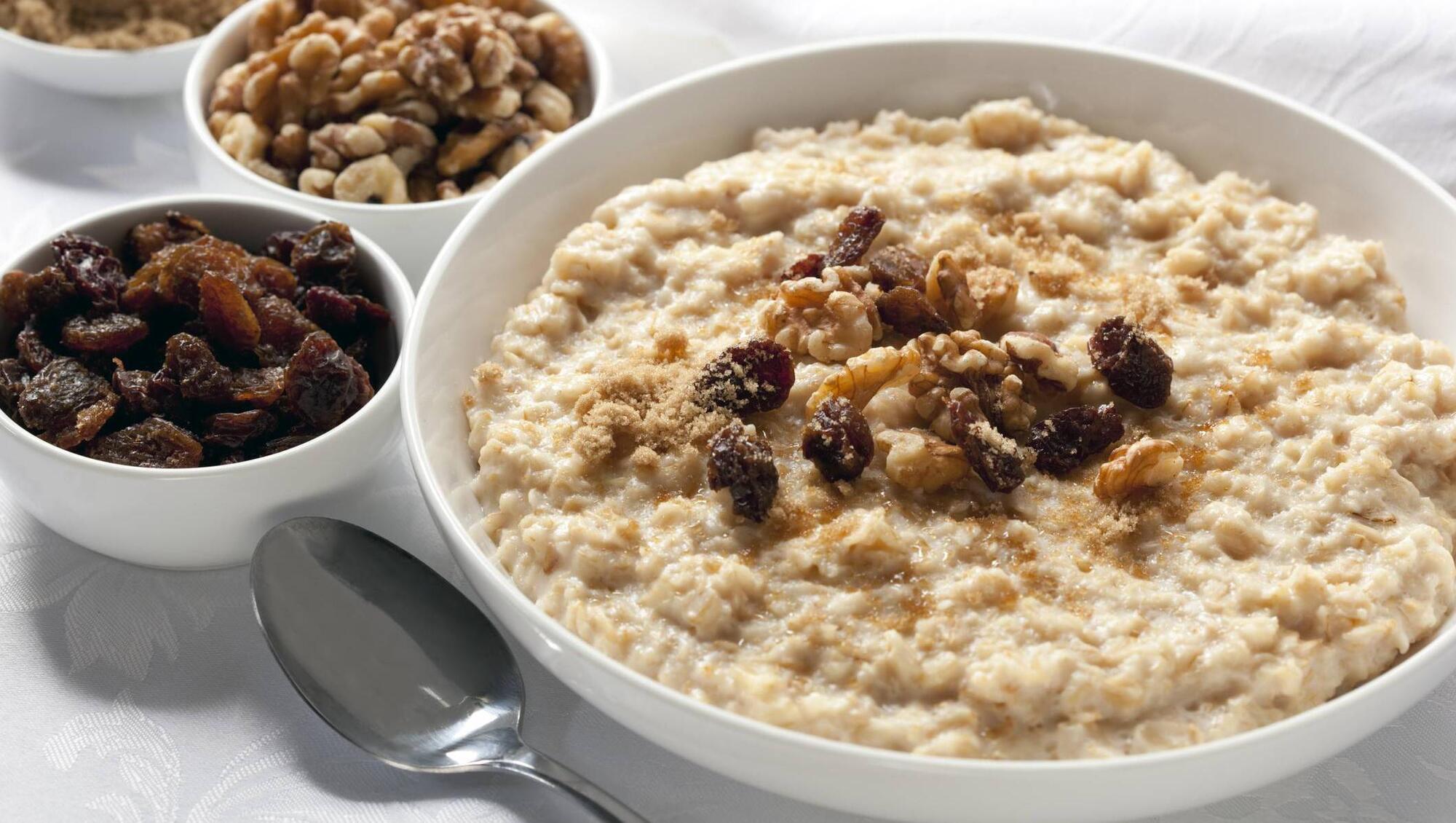
Irish people's changing eating habits could usefully include 'zweites Frühstück' or second breakfast, involving several small meals often rather than filling up with huge repasts. Stock picture
Perhaps it is a consequence of the switch to working from home confirming a mindset that the weekend starts on Thursday evening. Statistics indicate that the most popular days for the WFH crew are Fridays and Mondays.
In addition, some venues have attempted to smooth out customer patterns by offering midweek incentives to draw the punters in. In price-conscious times, as retailers have said for months, most shoppers are increasingly seeking value for money.
Whatever the reason, the bounce back for what is called the “out of home” industry — that’s all food consumed and prepared away from the domestic kitchen, including restaurants, pubs, coffee shops, and hospitals and education catering — has been encouraging for the many people employed by it. The 2022 Irish Foodservice Market Insights report shows growth of 61% in value to reach €8.2bn this year marking a recovery almost to pre-pandemic levels.
While eight out of 10 consumers enjoy the convivial aspect of dining out, they also fret that the experience has become too expensive to undertake regularly, prompting a sharp rise in takeaway eating.

Also back in a highly welcome fashion is breakfast as a social occasion rather than taking on fuel late at night, which has never been a good idea either for restful sleep patterns or weight management.
That old saw that you should breakfast like a king, lunch like a prince, and dine like a pauper has much to commend it. Perhaps we need to be more continental and embrace that old Bavarian concept of the zweites Frühstück, the second breakfast.
Our friends in Germany, Austria, Poland, Hungary, Spain, and Slovakia have long understood that regular, but small, meals are a key to good health. In those countries, it’s not uncommon to eat four or five times a day.
First the pandemic, and now the cost-of-living crisis. Both are reshaping our culinary experiences, our timetables, and our appetites.