Irish Examiner View: Elsheikh hearings will expand knowledge of Islamic State
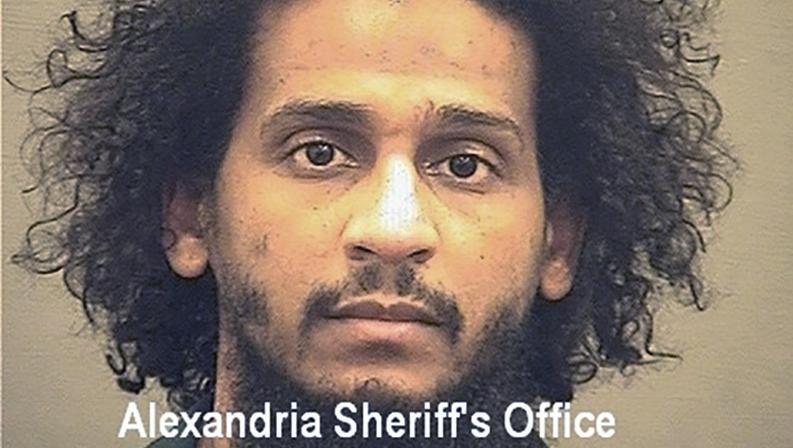
El Shafee Elsheikh faces charges in a US federal court because of his role in the deaths of four Americans reporting on, or helping the victims of, the Syrian civil war.
Irish Examiner View: Elsheikh hearings will expand knowledge of Islamic State

El Shafee Elsheikh in custody at the Alexandria Adult Detention Center in 2020. Picture: Alexandria Sheriff's Office via AP

A rare thing is taking place in the US with the trial of El Shafee Elsheikh for the murders of four American journalists and aid workers as part of the Islamic State (IS) terror campaign by the group known as ‘The Beatles’.

Elsheikh, 33, was one of four militants who travelled from London to Syria and whose UK accents led prisoners to coin the nickname by which they achieved worldwide notoriety. Some prisoners were released in exchange for ransom. When countries would not pay, their hostages were slain. Some were beheaded on videos broadcast around the world.

Elsheikh was born in Sudan and raised in London with his two brothers. He participated in the Army Cadet Force and trained as a mechanic, but became radicalised by extreme imams after his brother was jailed for 10 years and his Canadian wife was prevented from entering the UK. He went to Syria in 2012, where he was joined by his younger brother Mahmoud, who was since killed while fighting for IS in Iraq.

He faces charges in federal court in Alexandria, Virginia, because of his role in the deaths of four Americans reporting on, or helping the victims of, the Syrian civil war fought between various factions and the Kremlin-aided government of Bashar al-Assad. 

Prosecutors say he is also implicated in the deaths of British, Japanese, and Norwegian captives.

The leading member of ‘The Beatles’ was Mohamed Emwazi; born in Kuwait, but who moved to London at the age of six. He achieved infamy as ‘Jihadi John’ before he was identified. Emwazi killed many prisoners himself, on camera, while taunting Western leaders. He died in a drone strike in 2015.

Diane Foley, the mother of murdered photojournalist James Foley, became an advocate for the killers to face trial in US federal courts and for the US government to adopt new policies towards citizens held hostage overseas. The White House now has a special envoy for hostage affairs, something which did not exist when the murders took place.

Also in court will be Bethany Haines, whose father David, a former RAF engineer from Perth in Scotland, was last seen kneeling in an orange jumpsuit with a knife held to his throat by Emwazi outside the city of Raqqa. This image came to symbolise the medieval cruelty of the conflict.

The landmark trial will be the first — and probably the last — time such evidence against IS is aired in a public court. Most of its senior members died on battlefields or following secret hearings across Syria and Iraq.

Ms Haines intends to present a victim impact statement to the court, and also hold up a picture of her father. She also wants Elsheikh to provide the location of his body.

The trial is expected to last for more than a month and will hear from more than 60 witnesses. The UK is handing over operational intelligence in return for a promise from the US Department of Justice to drop the death penalty in the case following his extradition.

Prosecutors plan to play clips of media interviews given by Elsheikh to confirm that he was an active participant in the murder conspiracies, and therefore as culpable as if he wielded the murder weapons. 

By the time the case is over, we will know much more about the role of radicalisation and jihad and how better to contain it.

More in this section

Revoiced

Newsletter

Sign up to the best reads of the week from irishexaminer.com selected just for you.

Cookie Policy Privacy Policy Brand Safety FAQ Help Contact Us Terms and Conditions

© Examiner Echo Group Limited