The plethora of views expressed on the success, or lack thereof, of Cop 26 could easily be dismissed as hot air by a public turned off by global warming and climate collapse talk.
The ostriches among us, and they amount to the majority, still, would argue that things can only get better, but offer a collective shrug when it comes to the part they have to play in preserving our planet for future generations.
In truth, the general public has no chance of convincing the more unscrupulous powers-that-be of the need to phase out fossil fuels — and fast.
But there are steps we can all take, and giving up is not an option. The most common response to the focus on climate collapse is to say: 'What can I do?'
There are many things each of us can do to contribute, not least among them lobby our politicians and demand change, loudly. We can reduce car and plane trips, shop sustainably, use our credit cards to support businesses who aren’t polluting the planet, and so on.
Domestically, there are ways that even climate change sceptics (hard to believe, but they continue to exist) can take action that will cause no additional effort and do some good.
In September, the Environmental Protection Agency was at pains to point out the need to reduce the amount of waste we produce.
It said: “We need to rethink how we make, transport and use products, cutting down on unnecessary packaging and maximising reuse and recycling.”
There are two reasons for this. Firstly, China cut off countries wanting to use it as a dumping ground several years ago.
But the bigger reason is we are drowning in a sea of plastic and rubbish and it is unsustainable, with more stringent recycling targets on the way.
Less than a third of plastic packaging was recycled in 2019, with most of the rest incinerated, according to the EPA.

Of the 1.3m tonnes of packaging waste generated in Ireland in 2019, just 182,321 tonnes (16%) was recycled in Ireland.
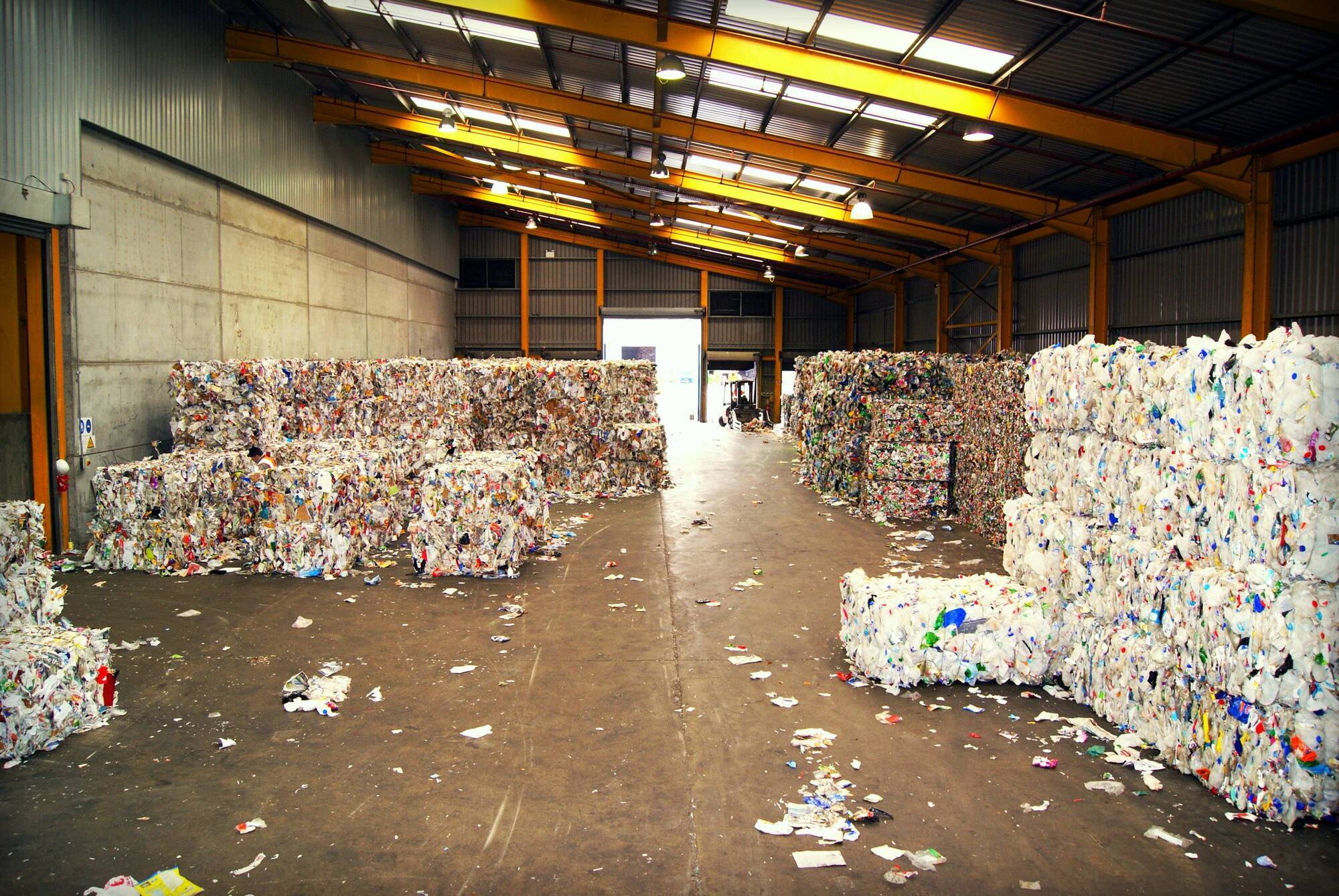
The Irish Examiner today reports from an Irish Packaging Recycling depot in Dublin, which handles 22 tonnes per hour of dry recyclable household waste from approximately 400,000 homes in Dublin and the surrounding areas.
Staff there are understandably exasperated at the items regularly discarded — deliberately and incorrectly — as recycling. They include nappies, food waste, and clothing.
A dead dog, four guns, a can of tear gas, as well as passports and driving licences are among the items that have shown up in recycling bins over the years.
One staff member who collects recycling sums up their frustration: “A lot of times, people feel that the recycling is the ‘free’ bin, so that can be a problem, if they see a certain incentive to put as much waste as possible in the recycling… up to 30% of what comes in here goes back out as waste, which is incredibly frustrating.”
This is the equivalent of discarding rubbish on the street and dismissing it as a road sweeper’s problem. It’s the type of behaviour that would be called out now by most people who find littering abhorrent.
Reducing food packaging and separating what packaging we create into recycling and household waste is not beyond the gift of a single person in this country.
One of the staff collecting recycling tells our reporter he knows all the tricks people pull. Normally the weight of a recycling bin is a giveaway, when people try to ‘hide the bad stuff’ under the legitimate recycling.
IPR general manager Liam Dunne said: “If you get across only one thing [in your article], please let people know that when you contaminate your recycling waste, it’s actually a human hand that’s going to have to clean up your mess.”
On climate collapse, we rely on the leadership of many to clean up the mess we are leaving for future generations — but doing our bit to reduce waste going to energy-guzzling incineration is a domestic step we must all take now.
CONNECT WITH US TODAY
Be the first to know the latest news and updates