Global Recycling Day: How to maximise bin usage and clean up your recycling act 
Clean up your act, recycle soft plastic and shrink those bin profiles down to size 
Global Recycling Day: How to maximise bin usage and clean up your recycling act 

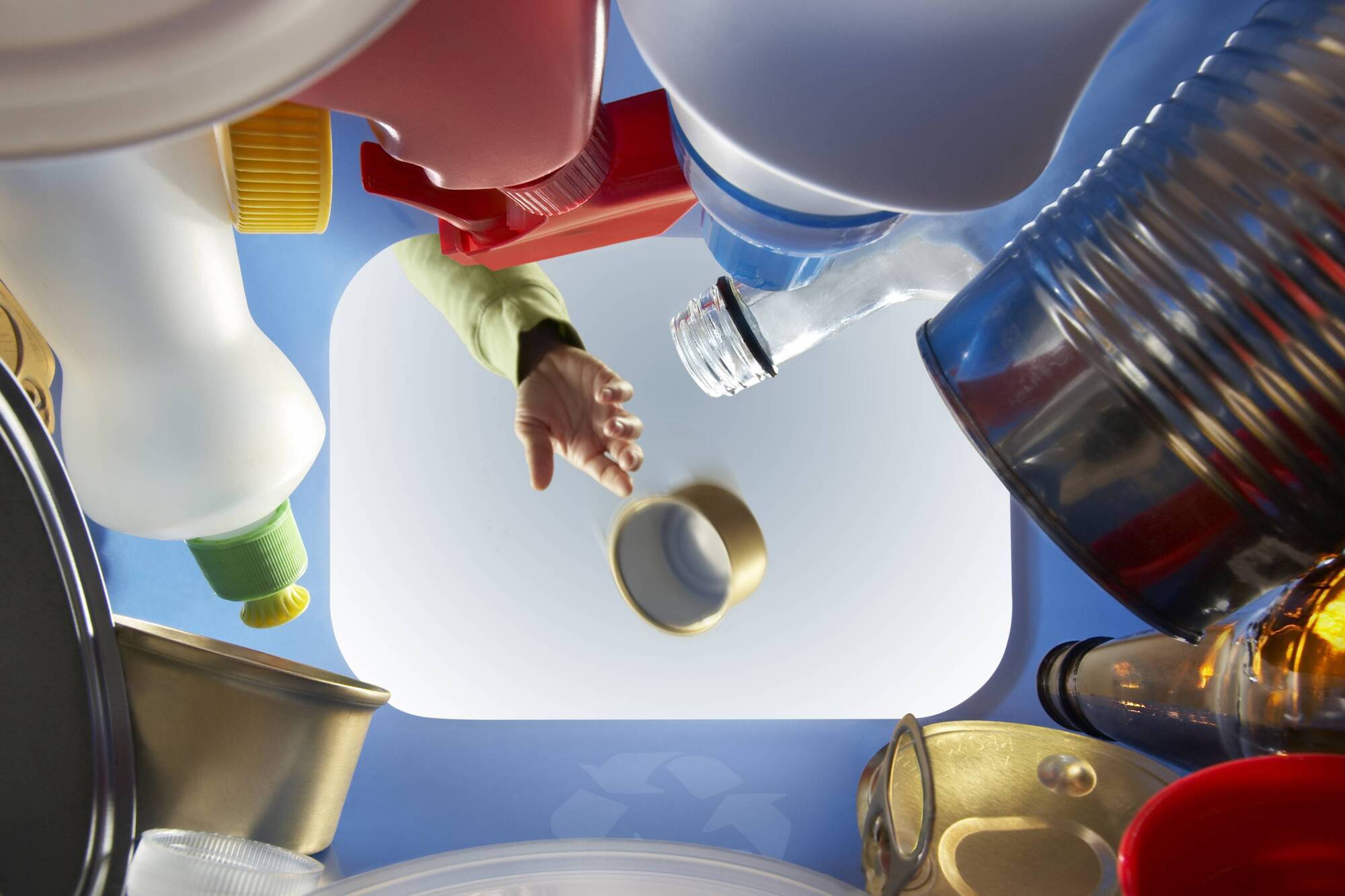
With the inclusion of soft plastics, our recycling bin should easily outstrip the load of the black bin. Ensure you know what goes where with mywaste.ie. Pictures: iStock

Global Recycling Day is held annually on March 18 to help highlight the importance recycling plays in securing the future of our planet.

The day encourages people to think again about what we throw away, whilst reminding people how important recycling is to our environment.

In 2020 over 317,000 tons of plastic packaging (the stuff that protects our goods during transport, and that keeps it fresh and attractive on the store shelves) was created in Ireland.

Of that heaving mountain, an outwardly miserable 29.3% was recycled, or 93,000 tonnes (figures, Repak).

Despite the rigours of the Covid pandemic, by the end of 2020, according to the Environmental Protection Agency (EPA) we were 70% of the way towards the EU directive on waste targets, including recycling and “beneficial back-filling” (landfills).

In 2020 overall, recycling tonnage increased by 25,000 tonnes to 703,000 tonnes with all additional 25,000 tonnes coming from household and domestic recycling.

 If the food waste bin is over-flowing go to list-making for weekly meals, and see what might potentially reach your compost heap instead.
If the food waste bin is over-flowing go to list-making for weekly meals, and see what might potentially reach your compost heap instead.

Compelled by firm legislation or not, this is great news for every one of us, as figures released by Eurostat reveal that way back in 2018 we still produced more plastic waste per head than any nation in the EU. In the last three years, we have exceeded our EU-driven recycling targets for plastics, paper, wood, metals and glass.

The Government target for householders is to get us to 50% recycling of our plastic household waste by 2025, and 55% by 2030.

Given any sort of environmental heart and reasonably disciplined behaviour both in the high street and sorting out the bins at the home, it would seem like a no-brainer.

Soft plastics offer a perfect route to hold onto our position as rising environmental champions.

Like you, I can see the divide opening up in my own bins. The inclusion of soft plastics since September in the green wheelie is really making a difference. A week in, we had less than 20l in the black bin for a three-person household.

With the improvement of the necessary technology at the recycling facilities, soft plastics from our kitchens, two thirds or so of the plastic rubbish once doomed to the black bin, have re-entered the recycling stream, having been banned in 2017.

This move could harvest as much as 160,000 tonnes of plastic across the country. The optical equipment at the recycling facilities can now identify and sort polymers, so much of this recycling can take place in Ireland.

Food bags, film, sweet wrappers, household goods packaging and some crisp bags — any soft plastic that scrunches in the hand — it can all go in with the other loose contents of your recycling bin once it’s clean and dry.

Now, with this abrupt change to waste handling processes, some of the packaging still stocked in Ireland carries the warning that the soft plastics are not recyclable. There may be a triangular recycling icon with an angry dash through it. Expanded polystyrene single-use food and beverage containers, and all oxo-degradable plastic is already banned since July, so you won’t be faced with those dilemmas on the back doorstep. A single green dot is not a sign that something can be recycled.

Being able to put all clean plastics in the recycling ends three years of confusion. Still, it’s worth questioning the purchase of even full or partially recycled plastics that will only be used for a short period of time too; for example plastic shopping bags. Greenpeace argues: “The problem isn’t that people aren’t recycling enough. The problem is that there is still far too much throwaway plastic being produced.”

Always strive towards that zero waste ideal for soft, PET and HDPE plastics, even without the prospect of achieving 100% squeaky-clean success. You can find zero waste, low plastic-no plastic guides all over the Irish Examiner digital content, including mine, that will help to guide you. If you’re paying for two 360l bins for a small to medium family emptied on alternate weeks; there’s a lot of room for rebalancing that ratio with positive improvement and savings. Progress to a 140l landfill and a larger 240l recycling is going in the right direction.

Soft plastics are often used to wrap foodstuffs. If they are hitting the recycling we want them clean and dry — otherwise soft, hydrophilic materials in the bin will degrade, smell and potentially exclude the entire load from the recycling stream. The pong is not much fun either, attractive to flies and vermin.

If you find your family is over-loading the recycling bin and you’ve done as much on the zero packaging front as you possibly can, ask your supplier for a second wheelie (generally this is at a small additional cost to you per month).

Every year sees 20% recyclable material going into the general waste, and up to 30% of non-recyclable items being put in the recycling bin. Aim to be nothing short of forensic in your decision making. There is a full “What can I recycle?” page at repak.ie and a superb A-Z list at mywaste.ie. Electrical accessories can baffle the unwary. Cables, for example, should be taken to a WEEE drop-off recycling point or Civic Amenity Site — look for the symbol of a crossed out wheelie bin on the item or look it up on the mywaste.ie A-Z. Don’t stuff anything in boxes or plastic bags in your recycling; keep it loose, people.

There’s only three categories going into the recycling bin: paper and card, plastics and tins, cans and foil (metallic) packaging. Aerosol cans are still rogues. Wet and/or dirty, some soft legal plastic still won’t suit your green waste even with Ireland at the gold standard of plastic analysis. If in doubt, Repak advises as with all grey areas; use your black bin. Condition matters. Just a bit damp or lightly contaminated and recyclable plastic may “spoil” that load or be streamed to make less valuable materials or worse still — incinerated.

Plastics should be clean, but there’s no need to scrub them to perfection; just get as much of the solid material off as you can. To clean your cans and plastic containers and other plastic green bin prospects — give them a rinse and leave them to air/drip dry undercover (indoors or in the garage for example).

If you have a bottle of cleaning fluid, empty it completely, and close the lid to prevent any dribbles escaping before placing it in the recycling bin. Ensure the pump part of a bottle for soap or cleaning fluid is recycle friendly – if not, take it off, empty the vessel, and separate the pump or trigger to the black bin. Food containers from the takeaway will take a rinse and dry and that greasy pizza box? Just scrape off as much as you can and flatten it out, put it in the recycling. The contents of your vacuum cleaner bag and your pet poop goes in the black bin, not the organic bin. For every possible thing you need to know explore the A-Z recycling guide at mywaste.ie

Niamh Kelly, head of marketing and communications at Repak, adds: “Understanding what can and can’t be recycled and how to dispose of waste items correctly is so important and our Repak Team Green initiative is a great place to start learning how to recycle more and better.

“It takes just two minutes to join Repak Team Green at repak.ie/team-green/join.”

- Article first published in October 2021

x

CLIMATE & SUSTAINABILITY HUB

More in this section

Revoiced

Newsletter

Sign up to the best reads of the week from irishexaminer.com selected just for you.

Cookie Policy Privacy Policy Brand Safety FAQ Help Contact Us Terms and Conditions

© Examiner Echo Group Limited