Irish Examiner View: We must do more to stop scam calls
File image.
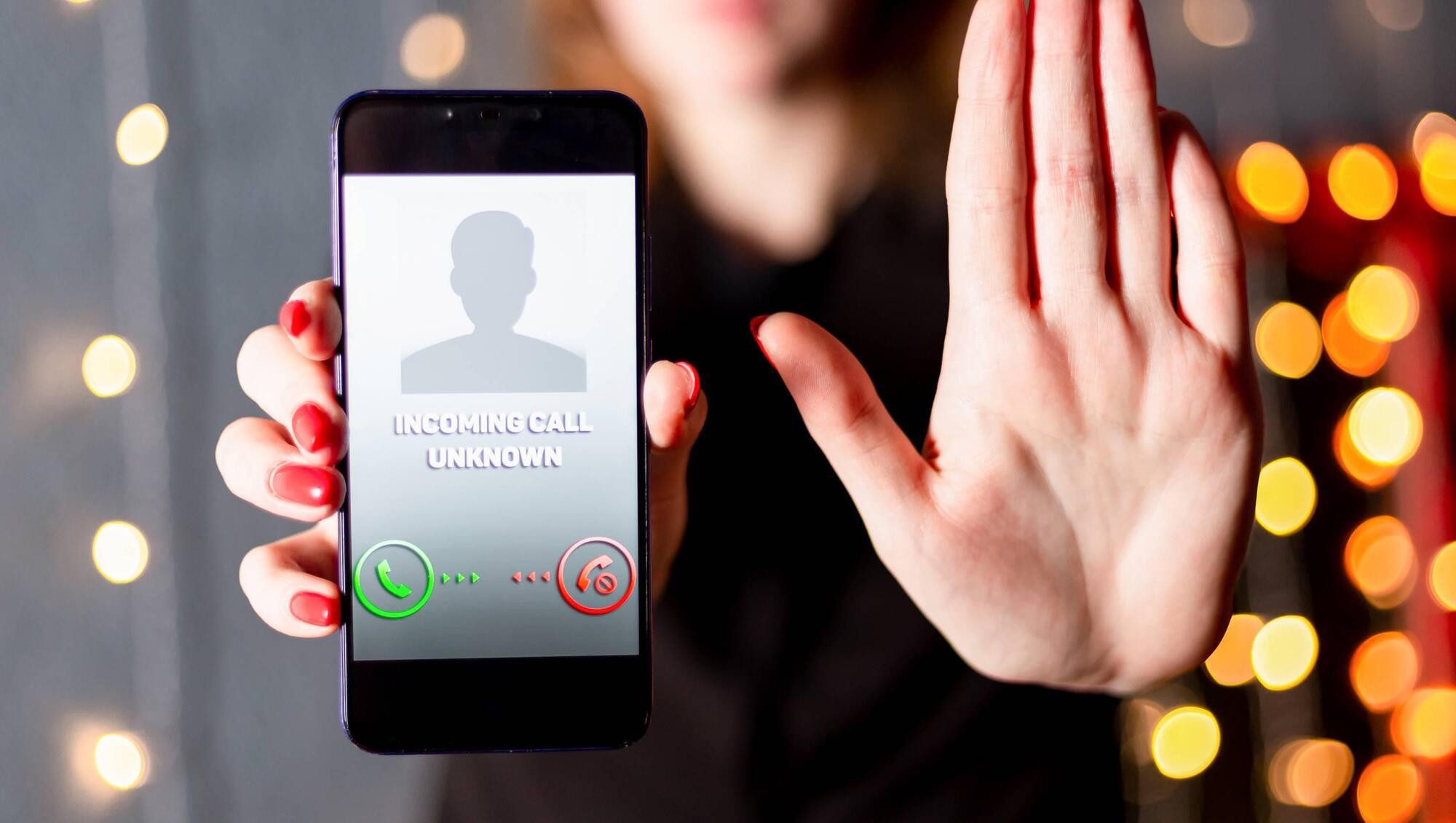
We have reported regularly this year on the extraordinary increase in the number of attempts to defraud people via their mobile phones.
Detective Chief Superintendant Paul Cleary, head of the Garda National Cyber Crime Bureau, told us that phishing (impersonating bona fide organisations to gain personal information) and smishing (using the short messaging system for a similar subterfuge) have increased by 1,440% year-on-year.
New figures from the Banking and Payments Federation Ireland show that those people who fall for such scams are conned out of an average of €5,300.
In the 12 months to July 2021, nearly 70% of consumers have been targeted by some form of mobile phone con. An EU survey conducted earlier this year found that Irish people are the second most likely citizens of the member states to be victims.
It is instructive to note that major phone networks in Britain have agreed to automatically block calls made from abroad if they show up as a UK number. The only calls allowed through will be from roaming mobiles or from legitimate call centres.
The UK's telecom regulator Ofcom believes this will prevent hundreds of millions of scam calls every year.
In the United States, the Federal Communications Commission is also forcing companies to take preventative action.
Ireland must follow suit. If it wishes to place mobile comms at the heart of the new society, then the phone and computer must be seen as reliable friends and not a source of anxiety.

CONNECT WITH US TODAY



Be the first to know the latest news and updates