Irish Examiner view: Same fate for society and economy
Tax as a foil to climate collapse
Irish Examiner view: Same fate for society and economy

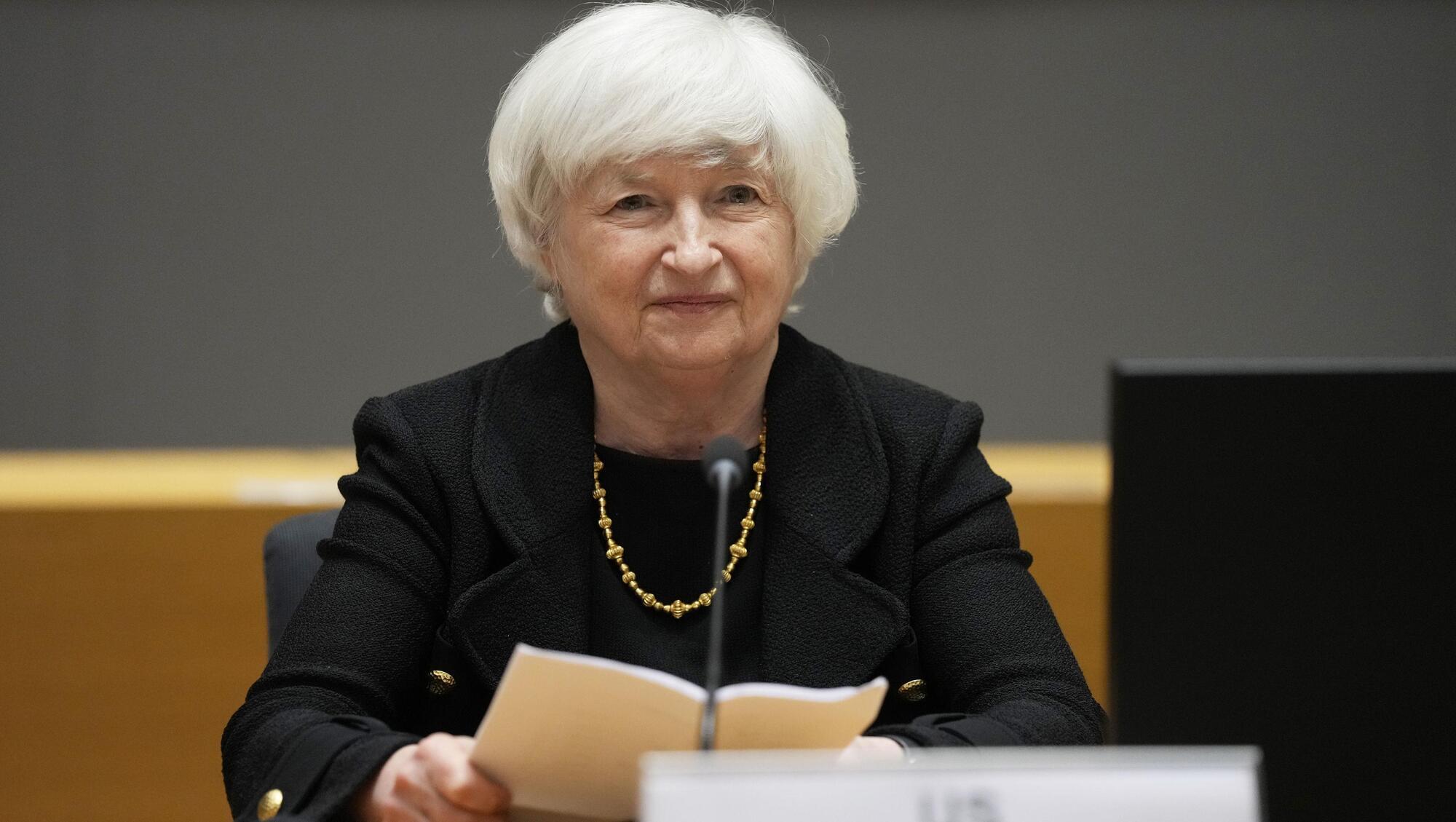
US Treasury Secretary Janet Yellen said a mechanism to help more countries tax multinational companies may not be ready for consideration until spring 2022.

That eternal debate about whether we live in a society or an economy is having a moment. That debate, as it always does, is focused on the relationship between business and citizen, the social and environmental impact of businesses, the hotly-contested obligations of business. Societies’ obligations to businesses too. All of these issues coalesce in tax policies, their reach and their power to deliver and sustain progress. That more and more societies, even post-Trump America, are trying to imagine tax policies that will better serve all citizens reinvigorates the debate. That tax changes are increasingly the levers behind efforts to, even at this 11th hour, avert climate chaos gives the debate unprecedented urgency.

In May, the OECD published an analysis focused on Ireland. It said we need to reconsider domestic water charges, increase waste fees, and implement congestion charges to meet survival targets. The Environmental Performance Review, in logical if difficult proposals, recommended removing Vat exemptions on fertilisers and animal feeds, as well as the tax concession on fuel used in farming. There were other suggestions too, most of which were dismissed out of hand as revenue-gathering measures rather than a foil to destructive, unfettered consumption. We have, it seems, some way to go before we fully accept the depth of our difficulties and the scale of response required.

Those issues, albeit under a different heading, came together in Venice on Sunday when American Treasury Secretary Janet Yellen said that a newly endorsed mechanism, though not by Ireland just yet, to help more countries tax multinational companies may not be ready for consideration until spring 2022. Speaking after a G20 finance leaders meeting, she said that the OECD re-allocation of taxing rights was on a “slightly slower track” than a global corporate tax of at least 15% as part of a tax deal among 132 countries. G20 finance ministers and governors endorsed the deal over the weekend, but questions remain over President Joe Biden’s prospect of persuading a deeply divided Congress to ratify the changes. More flux, more delay, while our difficulties deepen.

Today, just as digital covid passports reopen international travel, the European Commission will consider proposals on one strand of this crisis. The EC intends to set an EU-wide minimum tax rate for aviation fuels. Those fuels are not subject to the full range of taxes making air travel cheaper than it might be exacerbating the sector’s climate impact. The proposals contain a concession that executive jets might escape new taxes. This must be challenged as almost 20% of air travel emissions come from private jets, though the proportion of the population with access to them is minuscule. This contradiction should be dealt with at the national level.

As these issues play out, as the economy-or-society debate drags on, one new realisation becomes all the more pressing. Climate collapse is utterly indifferent to whether we define ourselves as a society or as an economy. Until we accept that we will still haggle over belching cows, executive jet emissions, funding water supplies, diesel cars, and all the while the implosion of our planet accelerates.

x

CLIMATE & SUSTAINABILITY HUB

More in this section

Revoiced

Newsletter

Sign up to the best reads of the week from irishexaminer.com selected just for you.

Cookie Policy Privacy Policy Brand Safety FAQ Help Contact Us Terms and Conditions

© Examiner Echo Group Limited