Irish Examiner View: A new scandal must mean a new response
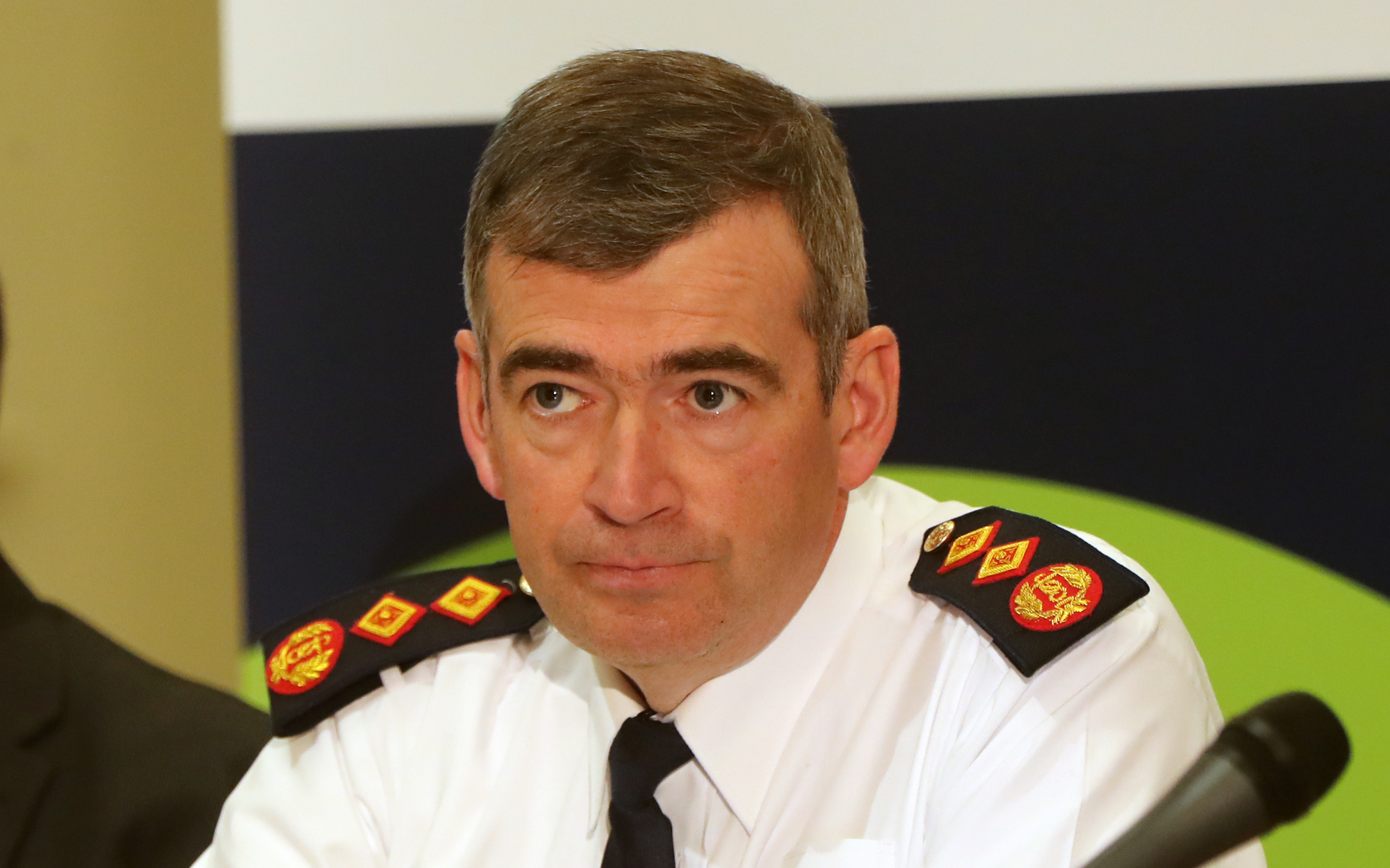
Garda Commissioner Drew Harris has come under pressure over cancelled domestic violence 999 calls.
Apart from the Catholic Church, or the banks maybe, no institution in this State can afford the fall-out of another self-inflicted scandal as poorly as An Garda Síochána.
Yet, Commissioner Drew Harris found himself defending the indefensible this week over cancelled domestic violence 999 calls and more than 19,000 other cancelled emergency calls. As a piece of data, as an expression of what happened, those bland words and figures are inadequate. They quantify but hardly convey the terrible situation they try to capture.

What happened was that vulnerable, threatened,
frightened citizens, more likely than not nearly all women or children, in moments of desperation, turned to the State for protection they should expect and receive, but they were left high and dry. The last-ditch hope that someone in a uniform might stand between them and their tormentor was, shockingly, denied.
When some 999 calls were taken, incorrect names, phone numbers, or addresses were recorded by gardaí taking the calls so their colleagues could not find locations where crimes had been reported. If the words to describe the situation are inadequate, the failures involved in this basic process are incomprehensible.
Though this stands in sharp contrast to the community-wide good work gardaí have done, and are doing, during the pandemic, it cannot but revive memories of the litany of scandals undermining the force’s credibility: Imagined drink-driving tests; the cancellation of drivers’ penalty points; the dark, persistent efforts to silence vindicated whistleblowers; the inventive accounting exposed at Templemore, and many other disturbing episodes, showing that the force had lost its bearings.
Commissioner Harris, not yet in office for three years, was clear: “They are among the most vulnerable people… some victims did not always receive the professional service we aim to deliver and victims are entitled to expect.”
He was “dismayed” when he learned of the cancellations, he said, especially as the organisation was changing and a major effort had been made to reach out to domestic violence victims during the pandemic.
That frustration echoes a recent warning from the Garda Ombudsman that the agency does not have enough staff to deliver its watchdog remit. That is one kind of failure in oversight, but another kind seems alive among gardaí.
Despite a litany of scandal, and in spite of an internal report that found no one, no one at all, was responsible for the drink-driving porkies, the idea of a garda of any rank being discharged for either incompetence or misbehaviour is all-but unknown. This latest scandal, and all the promises for reform, must lead to a change in the attitude that is almost a tacit approval for these dreadful but repeated failures.
Real scandals, like this one, must have real consequences. If a culture cannot be changed then some personnel must be.