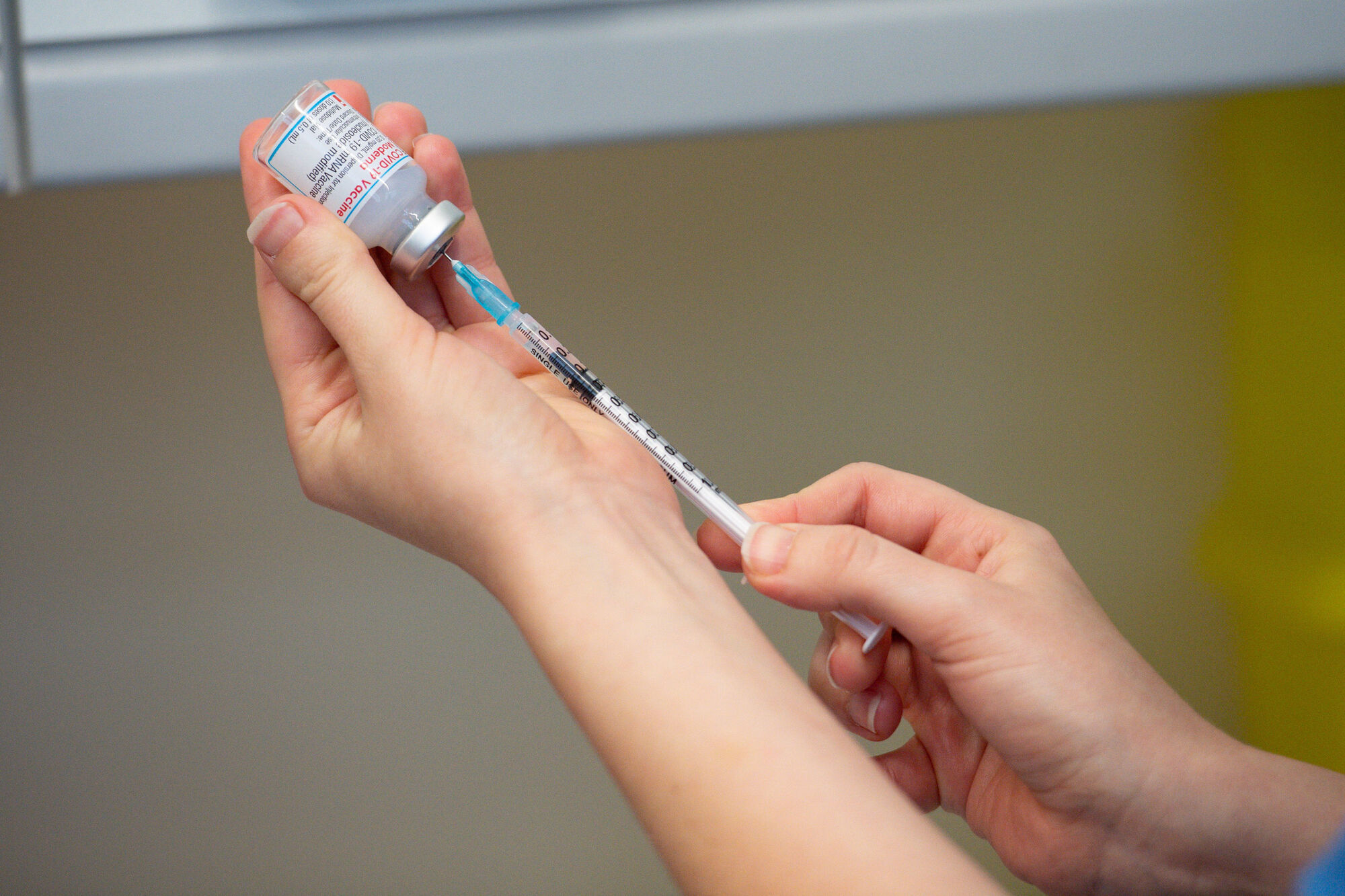
It is disconcerting that vaccine hesitancy is highest among those aged 25 to 34.
A survey commissioned by the Irish Pharmaceutical Healthcare Association between March 31 and April 14, found that 6% of people will not, or at least say they will not take a vaccine.
However, that not-sure ratio is much higher — 10% — among those aged 25 to 34 years.
More than one in five of those aged between 18 and 24 are more likely to say they are “unsure” about a jab than other age groups.
It is likely that some of the anti-science views expressed on social media have influenced this reluctance.
It is also likely that the mixed, sometimes contradictory official messaging has played a part.
It is hardly coincidental either that the age cohorts most impacted by the pandemic — and the housing crisis — are so sceptical of official advice.
As the pandemic remains a real, and in some countries, a growing threat, it is necessary to win the hearts and minds of those unsure about vaccination.
Science has a huge part to play in that, but so too do those who communicate how science has advanced to confront the pandemic.
As new variants are identified in Ireland, and as the Republic’s vaccination programme passes the 1m milestone, that need becomes more and more pressing.
There will always be a minority opposed to vaccination but it is necessary to work to ensure that minority is challenged and reduced — just as science shows it can be.
CONNECT WITH US TODAY
Be the first to know the latest news and updates