Far-right rejected: Reality TV is a political force
It may be time to consider if reality television is as great a threat to democracy as social media.
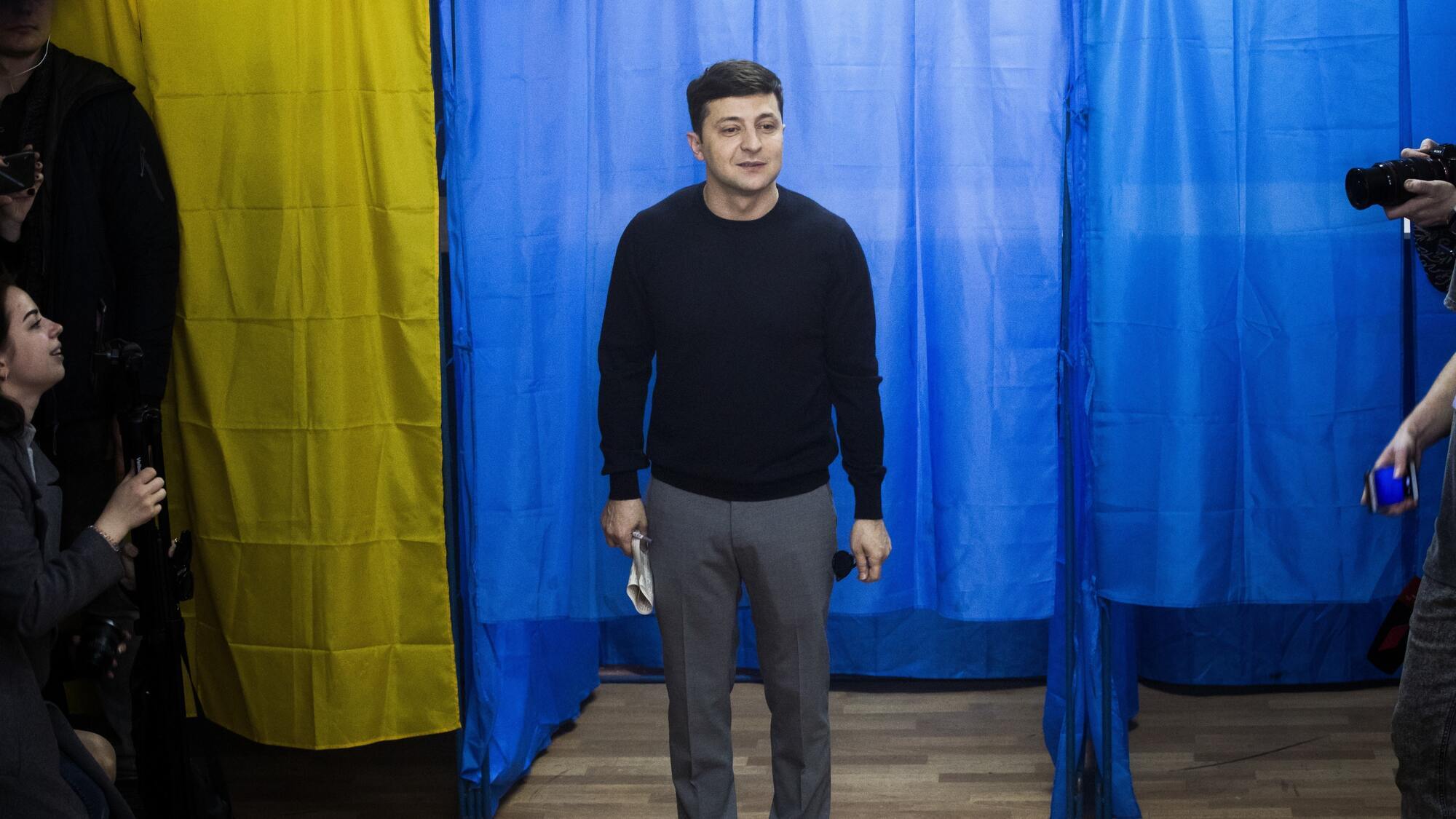
In three weeks the second round in Ukraine’s presidential election will pit a comedian against the country’s president — and the comedian is the favourite.
Over the weekend, Volodymyr Zelenskiy took a commanding lead over Petro Poroshenko.
Zelenskiy, 41, has no political experience.
This might suggest a protest vote but the broad rejection of far-right candidates and the rise of Zelenskiy, who has Jewish heritage in a region where violent antisemitism is not unknown, indicates otherwise.
The rejection of the far-right was echoed in Turkey’s local elections where Recep Erdogan’s AKP lost control of Ankara.
He may also lose Istanbul. AKP’s Ankara loss ended 25 years of the Islamist party’s dominance of the capital.
Elections are imminent in the EU, India, and Israel — possibly here too.
Britain’s government totters towards something as yet unknown that may provoke an election.
In each setting, except here, the right is increasingly assertive.
If voters follow Ankara’s example it might be possible to imagine that there’s still hope for the old, liberal values
Despite that hope, a creature of reality TV with no political experience occupies the Oval Office but he faces elections in a little over a year.
Nevertheless, it is hard to imagine one of the Brennan brothers, Louis Walsh or even Daniel O’Donnell in the Taoiseach’s office.
Hopefully.

CONNECT WITH US TODAY



Be the first to know the latest news and updates