Traffic fatalities - Streamline road safety responsibility
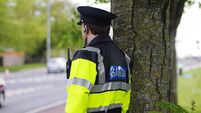
The extra 550 gardaí are already being trained at Templemore, and they will be assigned to the Garda Siochána in 2006.
The introduction of the penalty points system by the Department of Environment in 2002 marked a dramatic decline in the death rate on our roads, but the figures have been creeping back up for some time.
The fact that road safety has been the responsibility of two government departments - Justice and Transport - has led to difficulties in tackling the new increase in road fatalities.
Even though those two departments have the responsibility for road safety, Eddie Shaw, the Director of the National Safety Council, blamed the Department of Finance, because of its failure to provide money to enforce road safety measures.
The whole thing is a bureaucratic mess.
A high-level group on road safety was established, comprising of representatives from the Departments of Justice, Transport and Health, along with the Garda Siochána, National Safety Council, the Courts Service, and others, but this body has not met since last September, according to a spokesman for the Irish Insurance Federation.
An average of 32 people a month were killed on our roads last year, which was well over the best international standard of 20 people a month.
If this country could reach that standard, it would mean a saving of 144 lives annually, as well as preventing serious injuries to 1,200 people.
This would prevent a tremendous amount of heartbreak and suffering, as well as having a phenomenal economic impact, both in alleviating the pressure on medical services and bringing down the cost of insurance, with its knock on affect on transportation costs. Road safety is a matter of such importance, that it should be the clear responsibility of a single minister.
Mr McDowell is justified in calling for the sole responsibility to be transferred to his department, because it is already responsible for the enforcement of traffic laws. He contends that the updating of the penalty points system is a priority, especially the eradication of current delays of up to five months in notifying people that they have incurred penalty points.
Road traffic reforms involve random breath testing, and there are also plans for more than 11 million speed checks per year to be carried out by speed cameras stationed at various points around the country.
These sites will be selected by the National Roads Authority and the Garda Siochána, and they will be operated by a private company.
The minister rightly wishes to cut down on the enormous amount of garda time being taken up in court, waiting around to give evidence. This is taking gardaí off the streets, where they really belong.
Mr McDowell’s political courage in tackling the many necessary reforms should be commended.
But in the light of some of the difficulties with private clamping companies, it is important that the responsibility in relation to the enforcement of the traffic laws should be tightly controlled.