‘Oh God, not a woman’: The female judges who changed Ireland’s courts
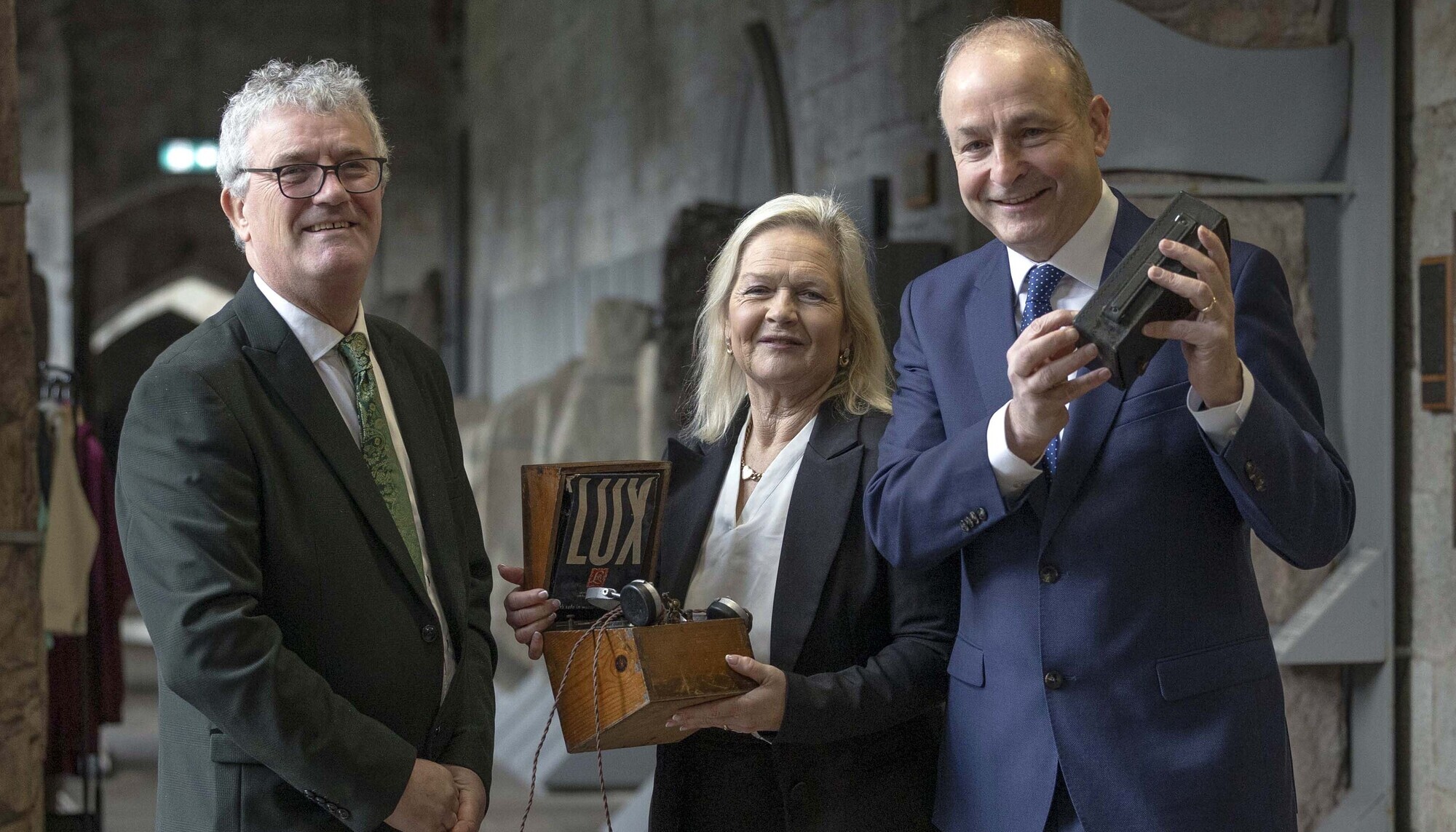
(Left to right) Professor John O'Halloran, president of UCC, Dr Finola Doyle O'Neill and Taoiseach Micheál Martinat a conference to commemorate 100 years of Irish radio. Dr Doyle O'Neill's book 'Benchmarkers: Female Firsts in the Irish Judiciary' recovers aspects of Irish legal history that have rarely been explored through women’s own voices. Picture: Clare Keogh
In the 1980s, former Supreme Court judge, Marie Baker, then a senior counsel negotiating a high-stakes settlement in the High Court, encountered an attitude that would have been depressingly familiar to many women of her generation.
Her male counterpart turned to her and suggested they settle the case there and then, on the assumption that she would want to "go home to her children". Baker has never forgotten the condescension. But rather than diminish her ambition, the encounter strengthened her determination to become a judge.
Her experience captures the quiet prejudices that confronted women who sought to enter the highest echelons of Ireland’s legal system. As former Supreme Court judge Catherine McGuinness recalls in , the resistance of some male judges to their female colleagues could be summed up in five words: “Oh God, not a woman”.
My book tells the stories of 10 pioneering women who challenged that resistance, broke through institutional barriers and helped reshape Irish justice. Their journeys are not simply stories of individual achievement. They are also an exploration of the country’s social and legal history, told through voices that, for generations, were largely absent from its official record.
Read More
When Eileen Kennedy became Ireland’s first female judge in 1964, she remained the only woman on the bench for almost a decade. Mella Carroll subsequently became the first woman appointed to the High Court in 1980. Both women helped open doors that others would follow them through.
Yet there is a poignant absence in their legacies: neither left behind a substantial record of her legal life. Their achievements risk being remembered without the full stories that would give them meaning. It is a loss that I lament throughout the book.
Susan Denham’s career marked another historic breakthrough. As Ireland’s first female Supreme Court judge, she went on to become the country’s first woman and first protestant Chief Justice. Her tenure was consequential, and her influence extended beyond retirement.
Her return to public life to chair the review of the Golfgate controversy, which erupted during the covid-19 restrictions, provides a striking example of the continuing demands placed on those who have held the highest judicial offices.
Catherine McGuinness’s story reveals how the law can expose uncomfortable truths about society itself. As Ireland’s first female circuit court judge, she made an important contribution to child and family law.
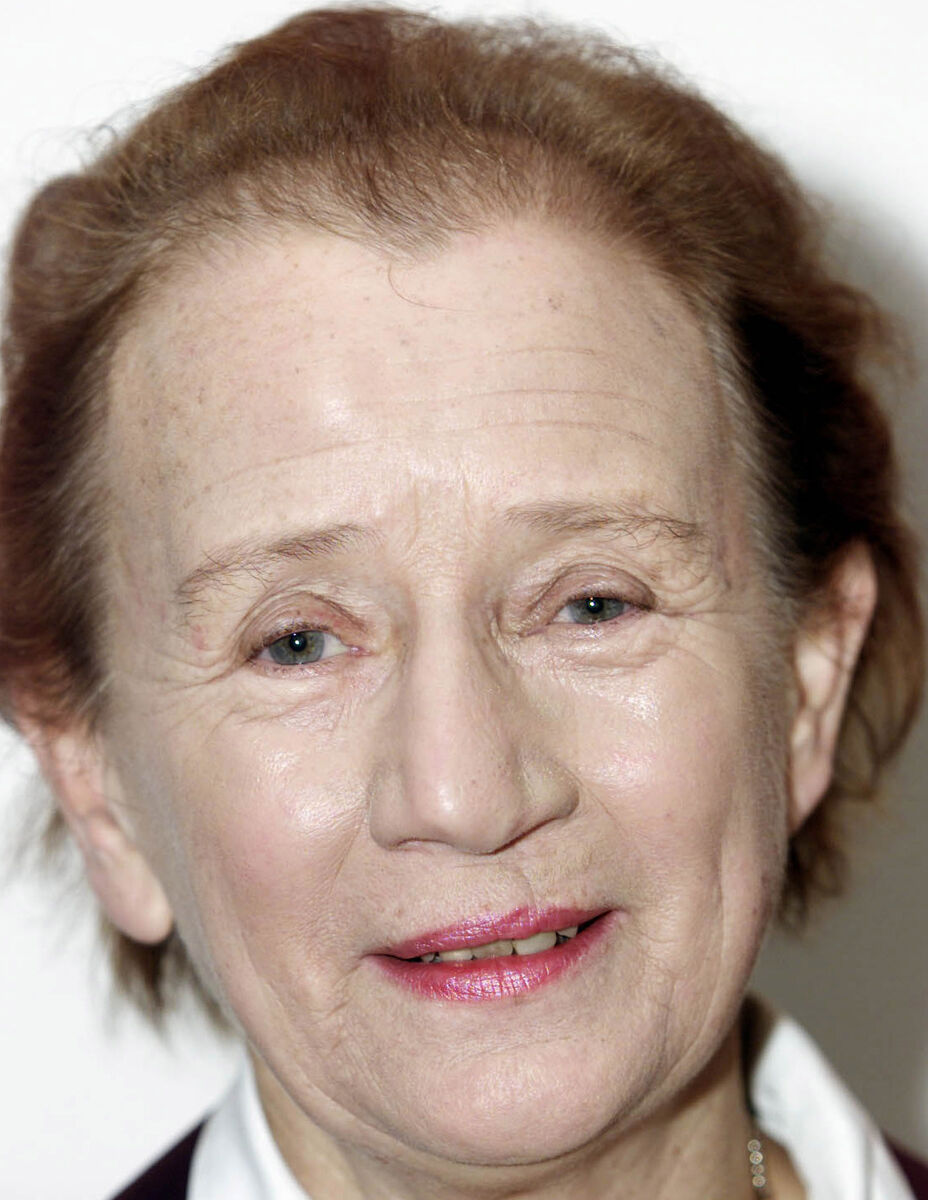
Her concern for vulnerable children was evident early in her career, when, as senior counsel, she chaired a review of the Kilkenny incest case. Its findings exposed a devastating reality: in some circumstances, the family home, supposedly a place of safety, was where a child was least protected.
Fidelma Macken carried Irish legal achievement onto the European stage, becoming the first woman appointed as a judge of the European Court of Justice. Her personal story, determination and strength of character illuminate the resolve required to succeed in institutions where women had rarely held positions of authority.
Mary Laffoy’s legacy is equally significant. Her contributions to corporate and constitutional law were substantial, and she became the first chairperson of the Citizens’ Assembly. Her career also illustrates the personal cost of upholding the rule of law when legal principle collides with public controversy.
In the A case, a gap in the law meant that a man convicted of sexually assaulting a 12-year-old girl was temporarily able to walk free. Laffoy’s ruling attracted political backlash; the legislative deficiency was subsequently addressed retrospectively.
Her experience raises enduring questions about judicial independence and the consequences when the law fails those it is meant to protect.
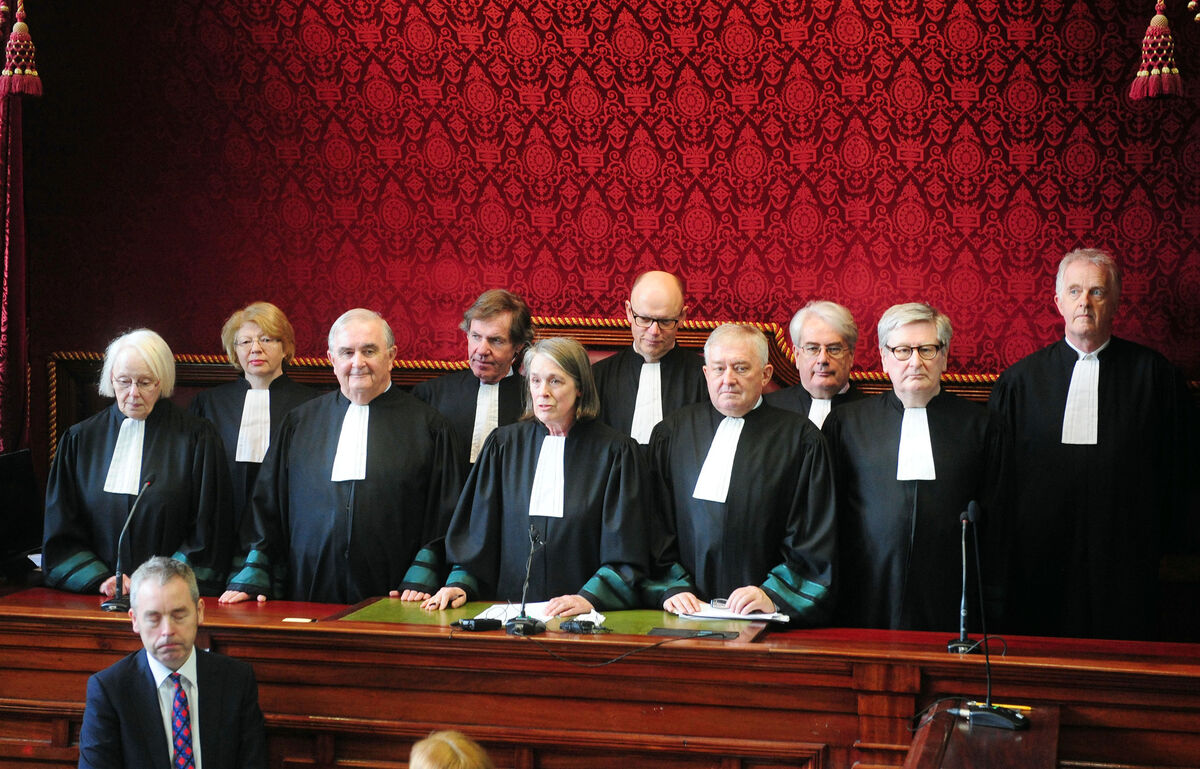
For Mary Finlay Geoghegan, the first woman judge of the commercial court, the path to the bench was shaped by both family and defiance. Her father, Tom Finlay, a former Chief Justice, told her that the Bar was no place for a woman.
Like Baker, she persisted, moving from a career as a solicitor to the Bar and ultimately becoming a judge. Their stories reveal how even women born into legal families could encounter assumptions about where they belonged.
Mary Irvine, Ireland’s first female President of the High Court, initially dreamed of becoming a professional golfer. Síofra O’Leary, the first woman to serve as President of the European Court of Human Rights, brought a different perspective, seeing herself as European rather than exclusively Irish.
In Northern Ireland, Siobhan Keegan became the first woman in a century to assume the jurisdiction’s top judicial role. Her appointment required more than a change of personnel: the traditional title of Lord Chief Justice gave way to Lady Chief Justice, bringing a century of legal nomenclature to an end.
These women’s lives are distinctive, but together they expose a broader question: who gets to exercise authority, interpret the law and shape justice? The book examines the composition of the judiciary and asks whether it adequately reflects the diversity of contemporary Ireland. Gender is only one part of that conversation.
Many of the judges featured in , in both its biographical and more exploratory chapters, generously shared their experiences. Through their recollections, the book recovers aspects of Irish legal history that have rarely been explored through women’s own voices.
A diverse judiciary is not simply a matter of representation or fairness. It is fundamental to a vibrant democracy, enriching the perspectives brought to bear on the law.
Ultimately, is about more than the women who became the first to occupy particular judicial offices. It is about the barriers they encountered, the changes they helped bring about and the stories that might otherwise have been lost.
In recovering their voices, the book challenges us to reconsider whose experiences have shaped Irish justice — and whose stories remain — and deserve — to be told.
- by Dr Finola Doyle O’ Neill, is published by Clarus Press.

BLACK FRIDAY
Already a subscriber? Sign in

CONNECT WITH US TODAY



Be the first to know the latest news and updates