Margaret Murphy O'Mahony: After 40 years of endometriosis, I welcomed menopause
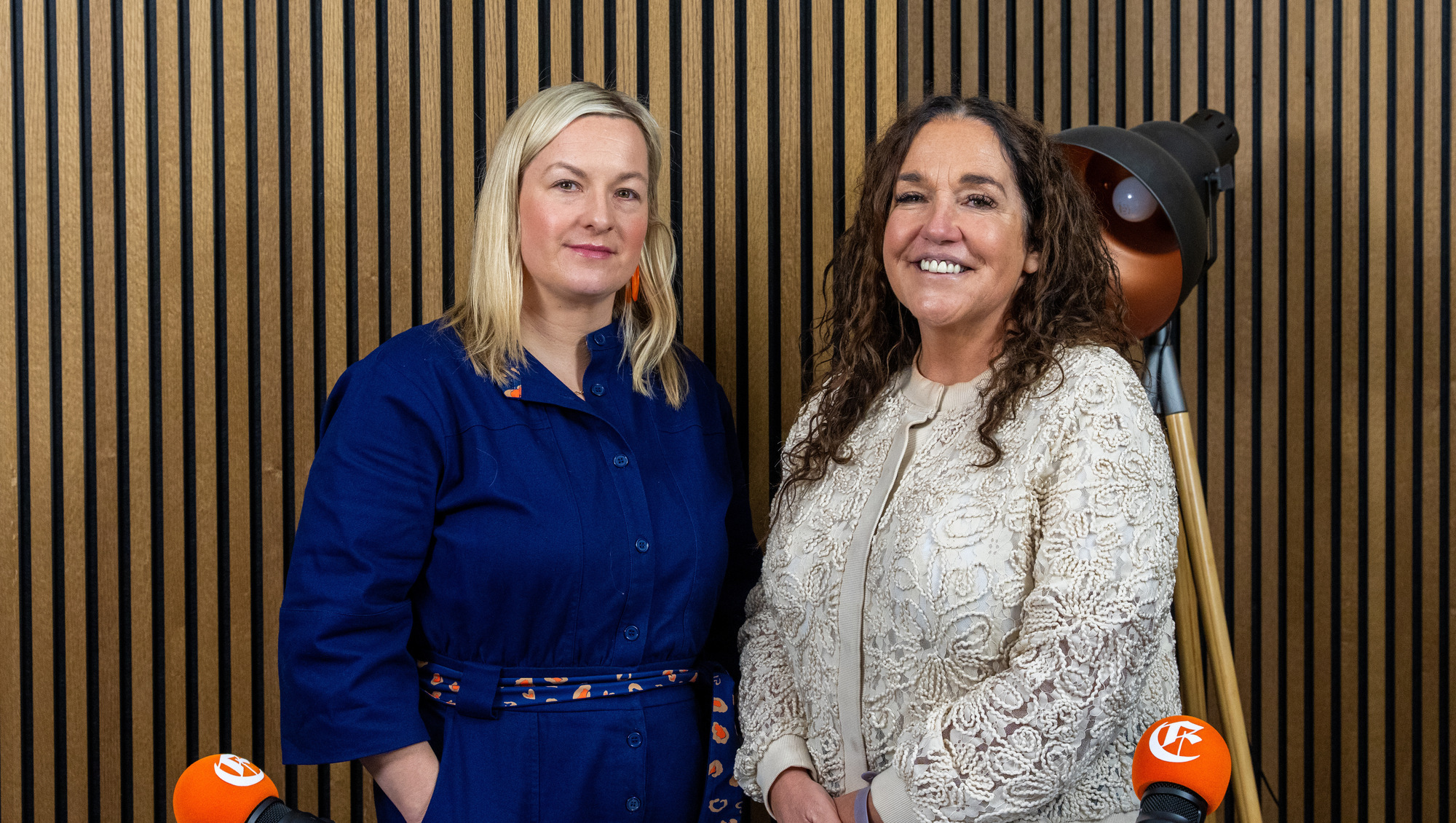
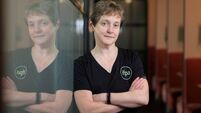
Deirdre O’Shaughnessy with Senator Margaret Murphy O’Mahony, who is a guest on the Deirdre O’Shaughnessy Podcast. Pictures: Noel Sweeney
I was 14 years old when I got my first period. It marked the beginning of my life with endometriosis and what would become 40 years of extreme pain, month after month.
The pain would last for a week. For three of those days, I couldn't move. I couldn't get out of bed. I was a shell of myself.
Looking back, my saving grace was the support of my parents. At a time when so many women struggled to have their pain taken seriously, my parents listened to me, supported me and, most importantly, believed me.
They recognised what I was experiencing was not normal and brought me to the doctor. They did everything they could to help me, but even the strongest painkillers available at the time offered little to no relief. The medication often brought side-effects of its own, leaving me physically sick on top of the pain.
For most women, getting their period is a normal part of life. However, for me, and for so many other women living with endometriosis, it meant bracing ourselves for what was coming, knowing our lives would come to a standstill and we would lose days to pain.
That was my reality, month after month, for 40 years.
In fact, after so many years of severe pain, I actually welcomed menopause.
Read More
Menopause brings its own challenges, from hot flushes to changes in your body, but for me, it also came with a genuine feeling of relief. After 40 years of unbearable pain, I no longer had to face those terrible days every month. Whatever else menopause would bring, I was prepared to accept it.
Periods were something women were expected to keep to themselves. Endometriosis was poorly understood, and women living with the condition were often expected to simply get on with it. Too many women spent years dealing with debilitating pain without having their experiences properly recognised or taken seriously.
I was fortunate to have parents who believed me and did everything they could to help. I know that many other women did not have that same experience.
Thankfully, we have come a long way in how we recognise endometriosis and discuss women's health. There is a much greater understanding of the condition today, and women's experiences are finally being given the attention they deserve.
We should acknowledge the important work that has been done to improve endometriosis services. The development of specialist hubs and clinics, the introduction of Ireland's first National Endometriosis Framework and the commitments made under the Women's Health Action Plans are all important developments.
Increased investment in specialist care, improved treatment pathways and the introduction of the Endometriosis Surgery Abroad Scheme are all welcome steps forward. These developments are making a difference to women's lives today, offering care and support that so many women of my generation never had.
However, just as we should welcome the progress made to date, we should always be striving for more and for better. We must continue the conversation and the advocacy to ensure women can access the diagnosis, treatment and the ongoing care they need.
One of the areas where I believe we can make a meaningful difference is in what happens from the moment a woman first seeks help. Making sure every woman who presents herself and asks for help is listened to, believed and given access to timely assessment and diagnosis from the very beginning.
We have to remember many women and girls living with endometriosis are already missing days at school and taking time off work because of their symptoms. Accessing the care they need should not place an additional burden on them, particularly when it means having to travel long distances for specialist treatment.
Improving access to treatment must also go hand in hand with greater awareness and understanding of endometriosis, both within our healthcare system and across society. We need to continue having conversations about endometriosis, not only at a national level, but also with each other.
Younger women and girls need to understand that while periods are a normal part of life, severe and debilitating pain should not be accepted as something they simply have to endure.
Young girls should feel confident speaking up about their symptoms, knowing their concerns will be taken seriously and they will receive the support they need.
Having lived with endometriosis for 40 years, I now know too well the impact it can have on a woman's life. I am now on the other side of that experience, however, I know there are women and girls across Ireland who are still living with the same pain I once experienced.
When I think of the next generation, I think of another 14-year-old Margaret, experiencing the same pain I did all those years ago.
I think about what her experience might look like today. Whether she will feel comfortable talking about her symptoms, whether she will be believed when she asks for help and whether she will be able to access the care and treatment she needs.
I want to know that because we are having these conversations, raising awareness and improving services, her experience will be different from mine.
I cannot change the 40 years I spent living with this condition. However, I can use my experience to help ensure another 14-year-old girl does not have to go through what I did.
I believe we owe that to her, and to every young woman like her.
- Margaret Murphy O'Mahony is the guest on today's episode of The Deirdre O'Shaughnessy Podcast, dropping this afternoon

BLACK FRIDAY
Already a subscriber? Sign in

CONNECT WITH US TODAY



Be the first to know the latest news and updates