'It’s felt almost dystopian': I was diagnosed with endometriosis after two decades of pain
More women are speaking out about endometriosis, an inflammatory disorder that is often diagnosed only because of debilitating, heavy periods or problems conceiving. Recent medical developments, however, are offering hope
'It’s felt almost dystopian': I was diagnosed with endometriosis after two decades of pain

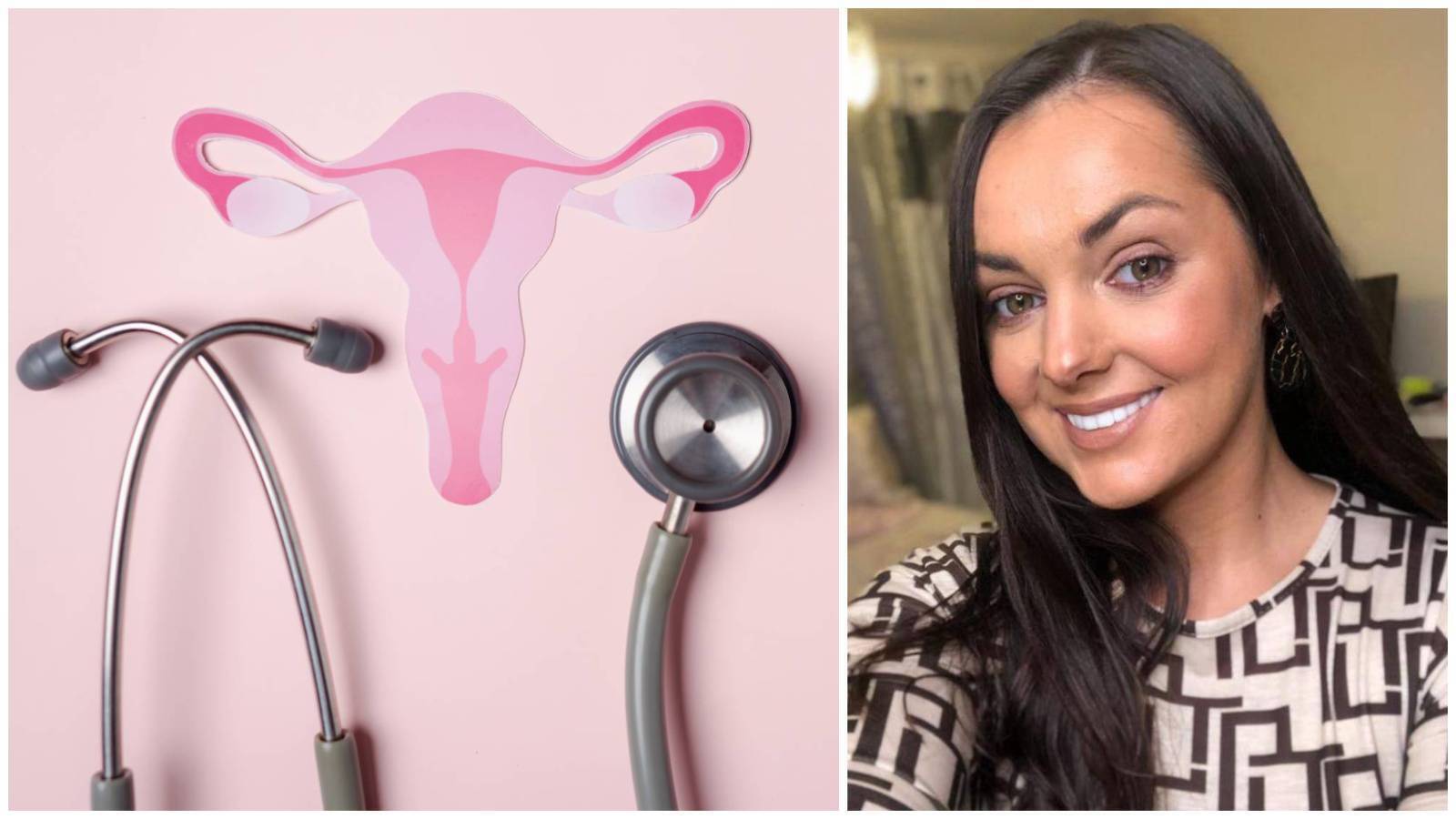
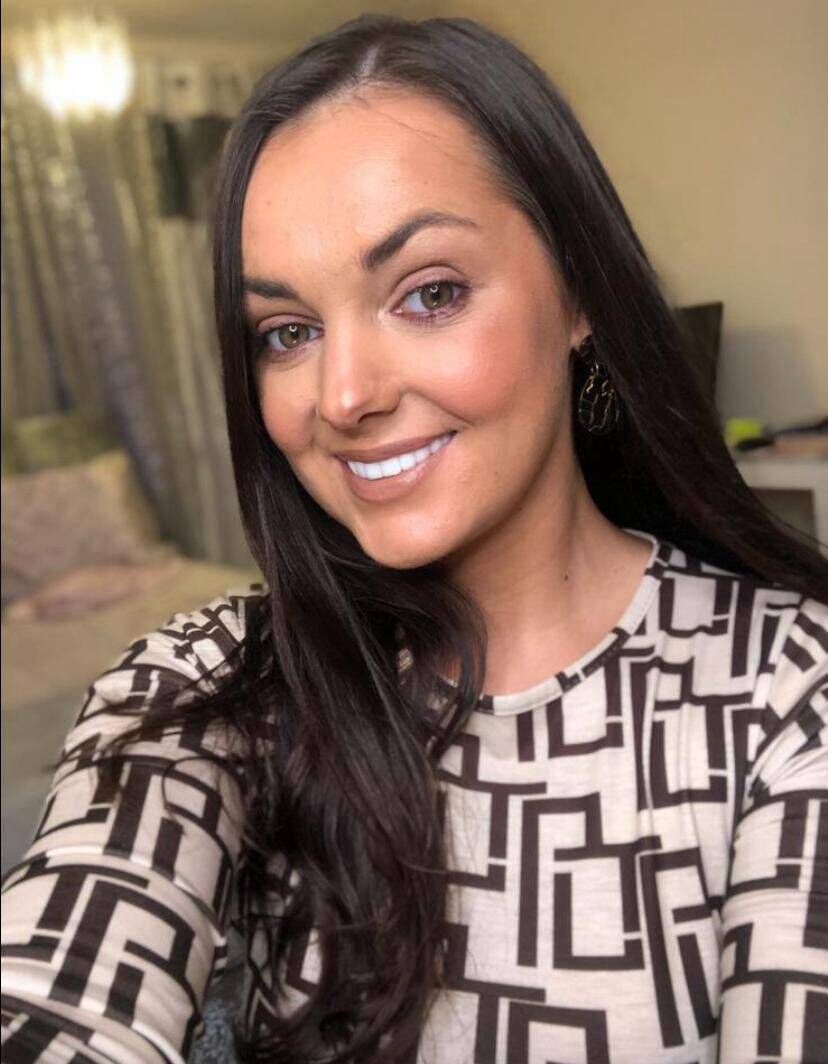
Claire Carter says heavy periods and recurrent miscarriages led to her endometriosis diagnosis.
Women are speaking out about endometriosis on social media, in print, and on film to draw attention to a poorly understood medical condition

Last Sunday, the British filmmaker and photographer Georgie Wileman won a Bafta for her short film, This is Endometriosis, in which she chronicles how the condition caused her such excruciating pain that she would pass out, and such chronic fatigue that she would be bed-bound for days. These symptoms began when she was 13, yet it took doctors 12 years to diagnose her.

Claire Carter, a 37-year-old from Wicklow, has a similar story to tell. From the age of 10, she started having periods so painful that they would make her vomit. “And it wasn’t just around my period,” Carter says. “I’d feel bad around the middle of the month, too, and would often feel so worn out I’d have to take time off school.”

Two decades passed before Carter realised what was causing these symptoms.

In 2017, she had surgery to investigate why she had recurrent miscarriages and it was discovered she had endometriosis.

Claire Carter: Heavy periods and recurrent miscarriages led to diagnosis.

She has since had to have several procedures, including an operation to remove a 12cm mass from her right ovary last November. She lost that ovary and its adjoining fallopian tube.

“There have been times when I’ve felt I was losing my mind I was in so much pain and doctors weren’t always able to tell me what was wrong,” Carter says.

“There have been times when my pain was dismissed and I was sent home. My relationship broke down and I still want to have a family, but I’m more worried than ever about my fertility. My mental health has suffered. I’ve had to give up my job as a school secretary, because I was losing too many days to illness. It’s been so bad and I’ve been so upset that it’s felt almost dystopian.”

Efforts are finally being made to help women like Carter. The National Framework for the Management of Endometriosis in Ireland was published last October, establishing for the first time a defined clinical care pathway for girls and women who have the condition.

Endo Ireland, the national endometriosis organisation, welcomes its publication.

Endo Ireland secretary, Roy Arnott, says: “There is still a long way to go, but we’re happy to see the Government committing to raising awareness of endometriosis among doctors, reducing the time it takes for diagnosis, and helping girls and women access early and effective treatment.” Arnott got involved with the organisation after seeing family members and friends suffering.

Chronic inflammation

Dr Hugh D O’Connor, a consultant obstetrician and gynaecologist and lead of the endometriosis clinic at the Coombe Women and Infants University Hospital in Dublin, describes endometriosis as a “chronic inflammatory condition in which tissue similar to the lining of the womb grows outside the womb, mostly around the pelvis area”.

The symptoms can vary. “Some women aren’t symptomatic at all,” he says. “But others can have excessively painful periods. Sexual intercourse may be painful for them. They might have pain around ovulation, or pain when trying to have a bowel movement. Fatigue can be a symptom, as can low mood or anxiety.”

Endometriosis can also affect fertility. “In fact, trouble conceiving is the first symptom for some,” says Dr O’Connor.

“It’s only when they struggle to start a family that they realise something is wrong.”

Dr Hugh D O’Connor: Difficulty with conceiving often first symptom.

According to Endo Ireland, one in seven women have endometriosis. But that figure is higher in women who have fertility problems. O’Connor says that “some research shows that endometriosis is present in up to 50% of these women”.

Endometriosis can impact fertility in several ways. Tissue can grow in the fallopian tubes, blocking eggs from being released. It can affect the function of the ovaries or egg quality. “And because endometriosis is an inflammatory condition, it can also make it more difficult for conception and implantation to happen,” says O’Connor.

Trouble conceiving

The Future Fertility Show at the RDS in Dublin takes place on March 21 and 22. One of its speakers is Dr Rahi Victory, an obstetrician, gynaecologist, and infertility specialist in Ontario, Canada, who has developed a specialised IVF protocol for endometriosis patients.

Victory sees a lot of fertility patients who have endometriosis and he elaborates on the consequences of inflammation. “Inflammation triggers the immune system to become active and more hostile and aggressive to what it sees as foreign bodies, like sperm and the embryo itself. That reduces implantation potential and a woman’s likelihood of carrying a pregnancy to term.”

Victory has developed an immune protocol to reduce the inflammation associated with endometriosis and enhance women’s chances of IVF success.

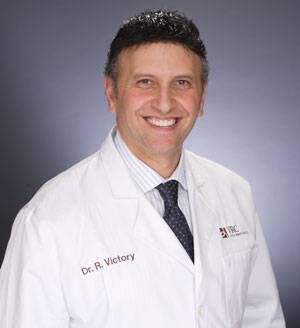
Dr Rahi Victory: 'Some doctors think that endometriosis doesn’t affect IVF and that women with endometriosis should follow the same cookie-cutter method as other women, but I don’t agree.'

“Some doctors think that endometriosis doesn’t affect IVF and that women with endometriosis should follow the same cookie-cutter method as other women, but I don’t agree,” Victory says.

“Endometriosis can take a huge toll on women’s bodies, and the problems resulting from that should be addressed before these women start IVF and throughout the IVF process. I don’t think women should just keep trying, cycle after cycle of IVF, until they succeed. They deserve an IVF approach that is tailored to their condition and the impact it’s had on their bodies.”

Victory’s approach involves women taking a gonadotropin-releasing hormone agonist to halt the production of oestrogen. “Endometriosis is an oestrogen-dependent disease and stopping oestrogen production essentially turns off its life support system,” he says.

Prior to the implantation of an embryo, a typical IVF cycle will see women taking oestrogen to stimulate the lining of their womb, but this doesn’t happen with Victory’s protocol.

“High doses of oestrogen will only set the pelvis of a woman with endometriosis on fire with inflammation,” he says. “That’s counterproductive to conception. We eliminate or minimise the amount of oestrogen a woman receives and allow the lining to thicken on its own.”

His protocol also involves women taking high doses of vaginal and injectable progesterone, supplements that are clinically proven to decrease inflammation, like curcumin, and anti-inflammatory drugs, such as prednisone.

Dr Rahi Victory
Dr Rahi Victory

“We monitor a woman’s hormone levels and inflammatory markers throughout the process, all in an effort to calm their immune system before embryo transfer,” he says.

Victory says he has helped women with endometriosis from all over the world, including Ireland, to conceive using this IVF protocol, which he has shared on Facebook.

While his immunology protocol is unique, similar protocols are offered in Irish clinics, including UNQLIFE, Beacon Care Fertility, and Sims IVF.

Not a diagnosis of infertility

O’Connor believes women with endometriosis should have cause for hope when family planning. “A diagnosis of endometriosis is not the same as a diagnosis of infertility,” he says.

“Most women with endometriosis will ultimately get pregnant and have babies.

“In fact, the sooner their endometriosis is diagnosed and treated, the better for their fertility. They may be more likely to have difficulty or need assistance conceiving, but we have a new endometriosis framework and improved fertility services in Ireland now.

“Real progress is being made, and quality endometriosis and fertility treatment is available here, with availability being expanded all the time.”

Carter will need to see more progress before she feels hopeful. She is particularly critical of the Endometriosis Surgery Abroad Interim Scheme (ESAIS), which is part of the framework and allows patients on Irish waiting lists to access specialised endometriosis surgery abroad, while Irish services improve.

“You can’t expect women who are as unwell as I was to travel for treatment,” she says. “Why not bring international experts here to train our doctors instead? That would upskill Irish doctors more quickly and help provide earlier treatment for all the women who are in pain right now.”

This position is backed up by Endo Ireland. “We know there are more advanced surgeries offered in other countries,” says Arnott. “By sending our doctors there or bringing international specialists here, we could learn from the best and very quickly enhance the treatment options available here.”

In the meantime, Carter is putting her life back on track. “I’m still recovering from surgery physically and am getting counselling to help me recover from the whole ordeal mentally,” she says.

“I’m hoping to go back to work at some stage and would still love to one day have a family.”

  • March is Endometriosis Awareness Month. Endo Ireland’s annual conference takes place at the Stillorgan Talbot Hotel in Dublin on Saturday, March 28. It will provide all the latest information on the holistic and clinical management of endometriosis.
x

More in this section

Lifestyle

Newsletter

The best food, health, entertainment and lifestyle content from the Irish Examiner, direct to your inbox.

Cookie Policy Privacy Policy Brand Safety FAQ Help Contact Us Terms and Conditions

© Examiner Echo Group Limited