'Very strong’ El Niño cycle will 'make climate change more pronounced'

Beachgoers at Moutchic in Lacanau, southwestern France in July as clouds of smoke rise into the sky from a wildfire. El Niño could make next year the hottest on record. Picture: Maximilien Lamy/AFP via Getty Images
The El Niño weather phenomenon could make next year the hottest on record, threatening to bring heavy rainfall, floods, and droughts in the coming months.
While El Niño occurs in the Pacific Ocean, the event has a significant ripple effect that supercharges extreme weather events globally.
The World Meteorological Organization has said this El Niño is expected to become “very strong”, while the UN said 49m more people could face acute hunger because of it.
Met Éireann has said El Niño’s influence on Ireland and Europe is “comparatively weak, highly variable, and not robust in the present-day climate”, with its largest effect evident around southern and central Africa, in India and Australia, and in parts of South America.
El Niño is a natural occurring phenomenon, involving the shift between warm and cold sea surface temperatures and wind, along a large stretch of the Pacific Ocean.
It manifests when wind conditions in the eastern tropical part of the Pacific soften or shift, which leads to its surface temperatures to warm.
There are different models to decide whether it is an El Niño event; in the US, it is decided if the temperature goes 0.5C above average.
If they go above 2C, it is deemed a “super El Niño” event.
The Niño 3.4 index has in recent weeks recorded temperatures as high as 2.6C; El Niño usually peaks in late December.
Significant impacts are expected globally as a result, with this particularly strong version threatening to bring months of extreme heat, floods, drought, and disruptive weather.
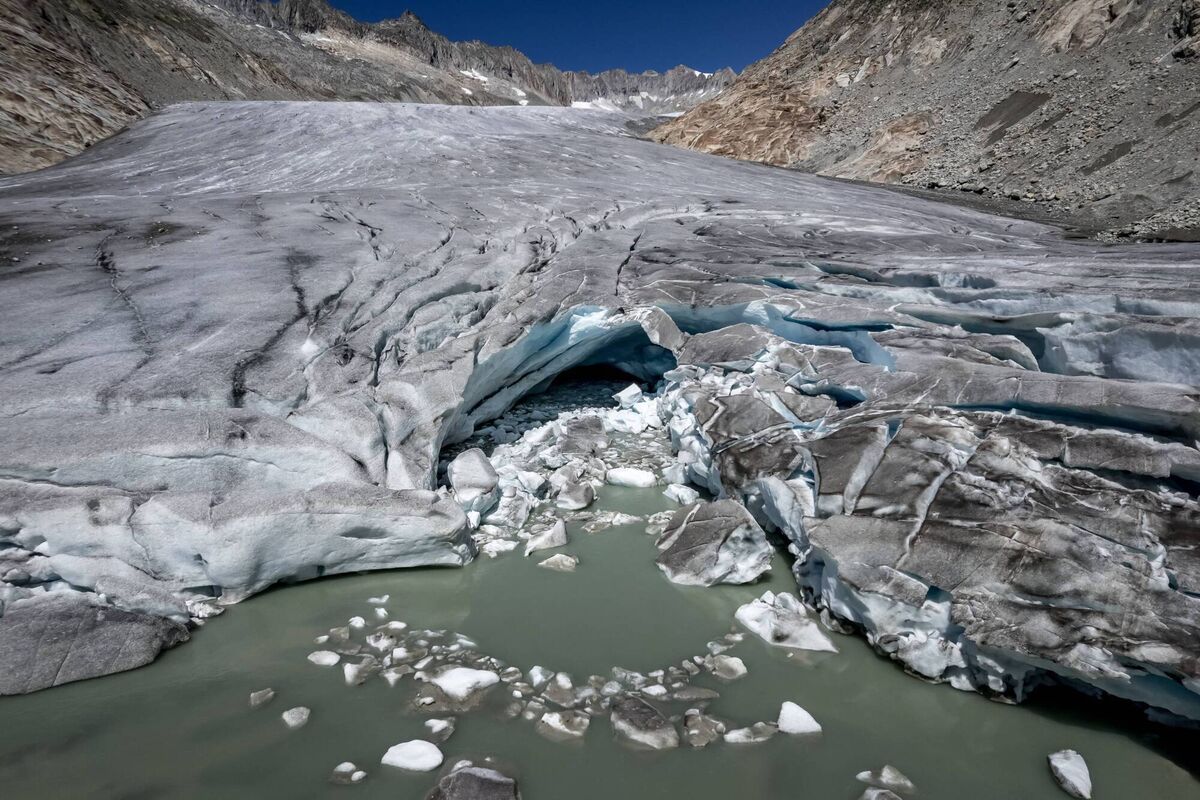
There is also evidence of a correlation between an El Niño year and an increased risk of the spread of diseases, hampered food production, and even civil unrest.
In the 2015 El Niño year, there were catastrophic forest and peat fires in Indonesia, and 10m people in Ethiopia needed food aid due to crop failures.
This year’s El Niño is developing against “an unusual backdrop”, the UN said, as oceans are already “exceptionally” warm.
To add to the exacerbating factors, the World Food Programme has said that high energy and fertiliser prices have already had an impact on food production and costs, with this event now threatening future harvests.
Sadhbh O’Neill, a climate and environmental researcher, said that the reason this El Niño is so serious is due to already high ocean temperatures and its strength so early in the cycle.
“There is no person on the planet who has a clue about how a temperature anomaly like this is going to play out; they don’t even have a category to describe it,” she said.
“One of the model runs suggested the temperature anomaly could be up to 4C. There is just nothing like that in any recorded history.”
She said it was hard to see how Ireland would not be affected by such a strong El Niño, either by weather events or by rising food prices due to hampered harvests.
“We are very exposed to all the things that would happen that have been well documented and modelled that are associated with temperature increases and changes to rainfall patterns as a result of climate change. It’s going to make climate change more pronounced.”

Check out the Irish Examiner's WEATHER CENTRE for regularly updated short and long range forecasts wherever you are.
CONNECT WITH US TODAY



Be the first to know the latest news and updates