Response to Lindsay Clancy case shows lack of support for new mothers
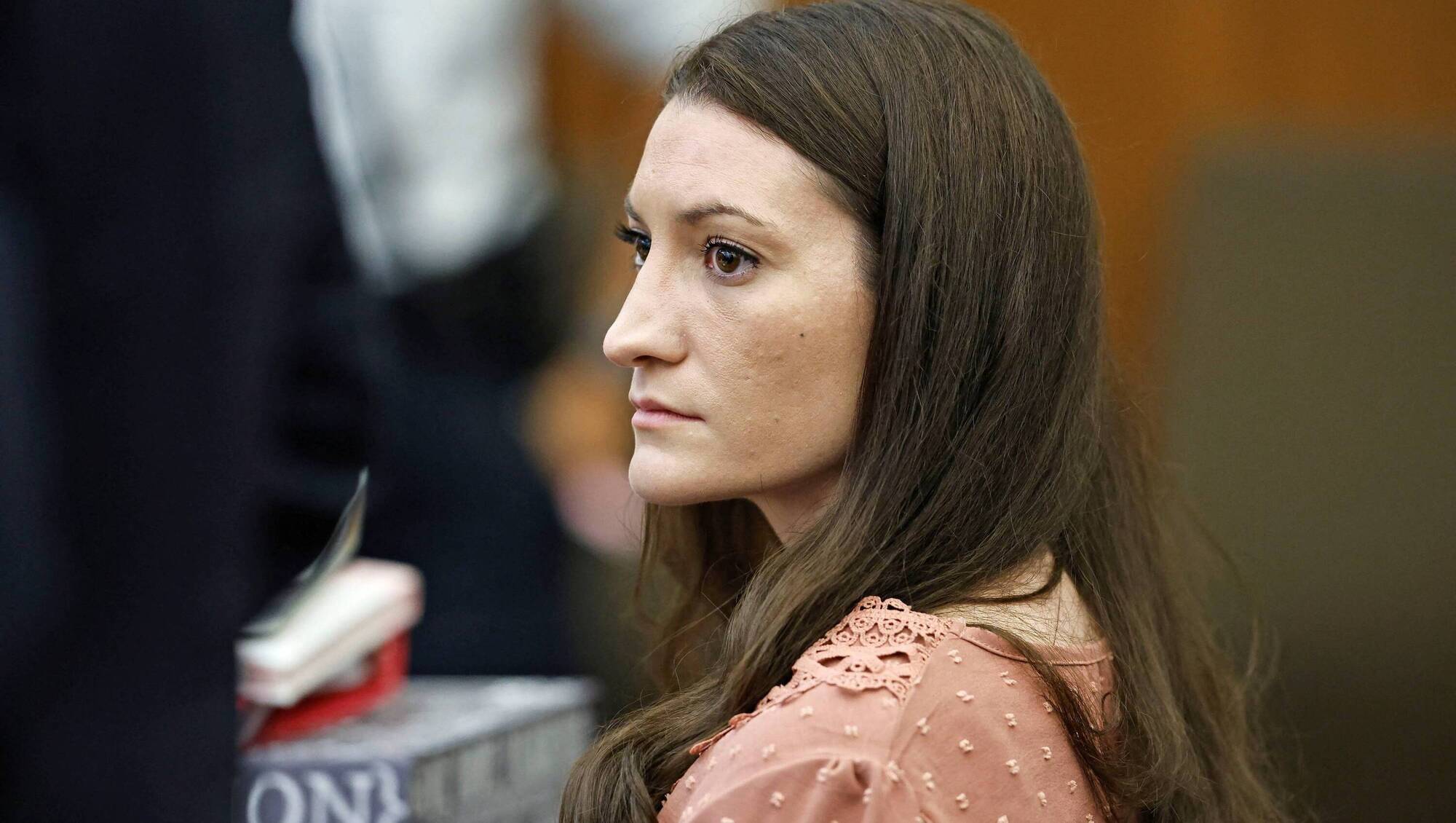
Lindsay Clancy watches as jury enters the courtroom during her murder trial at the Plymouth Superior Court, in Plymouth, US, on Monday. Picture: Greg Derr/The Patriot Ledger/Pool via Reuters
Maternal mental health is receiving significant attention at the moment. From television and radio to newspapers and social media, opinions are being shared, arguments are being made and the issue is being debated against the backdrop of the Lindsay Clancy trial in America.
Clancy, who is accused of killing her three young children, has pleaded not guilty and her defence has cited severe postpartum mental illness, including postpartum psychosis. The case has generated deeply divided reactions. There are those who see an unimaginable act and struggle to look beyond it. There are others who see a woman who was deeply unwell.
Recently, I listened to a nurse standing among a crowd of women outside the courthouse in support of Clancy. When asked why she felt the need to be there, she said she was standing there for all the women who had been diminished and let down.
Let’s talk about those women in Ireland today.
Over a year ago, after struggling with post-natal depression, I launched the Year of Care Campaign. The campaign is calling for every mother in Ireland to receive one full year of meaningful and accessible postnatal care.
Since launching the campaign, I have listened to mothers from across the country describe their experiences of navigating the postnatal period while experiencing depression, anxiety, birth trauma, postpartum psychosis and other physical and mental challenges.
Read More
One mother told me she was deeply unwell and knew she needed specialist psychiatric care but getting that care would have meant leaving her small baby. She made the devastating decision not to seek the treatment she knew she needed.
"Getting the help I needed would have meant leaving him," she told me. "I was already so unwell but leaving him would have broken me completely."
Her experience highlights one of the most significant gaps in Ireland's maternal mental health services: Ireland still does not have a dedicated mother and baby unit.
Mother and baby units are specialist psychiatric inpatient units where mothers experiencing severe mental illness can receive intensive treatment while remaining with their babies.
In 2025, the Maternal Deaths Enquiry Ireland stated suicide was and remains the leading direct cause of maternal death and the leading cause of late maternal deaths in Ireland. The enquiry found between 2019 and 2021, of 24 maternal deaths examined, eight were due to suicide. Between 2009 and 2021, suicide accounted for 12.3% of maternal deaths.
The HSE estimates one in every 500 new mothers suffer from postpartum psychosis and approximately one in seven experiences post-natal depression. Despite these figures and more than a decade after a specialised psychiatric unit for mothers was recommended for Ireland, mothers are still waiting.
Another mother who contacted the campaign had struggled with postnatal depression following the birth of her second child. When she became pregnant again, she did exactly what she was encouraged to do, she sought help early. Her consultant referred her to the Specialist Perinatal Mental Health Service.
These services are intended to support women experiencing new or existing mental health difficulties during pregnancy and throughout the first year after birth. She received a letter informing her the service was "currently not accepting applications" and she would instead be referred to the community mental health team.
This mother had been referred to the community mental health team when she had post-natal depression three years previously and had never been contacted by them.
Sadly, these are not isolated cases, they represent only a small part of a wider pattern of systemic failures affecting mothers.
Ireland has a long and uncomfortable history when it comes to the treatment of mothers. We have spent years looking back at the ways women were judged, shamed, hidden away and abandoned by both the State and society.
We have apologised for the past and promised we would learn from it, but how much have we really learned, if in 2026, mothers can still find themselves unable to access the care they need when they are at their most vulnerable?
Mothers are encouraged to speak up. Reach out early. Ask for help. One of the factors that makes the Lindsay Clancy case so deeply tragic is that she did all of those things, repeatedly, but never got the joined-up, wraparound care that was needed in such a serious case.
We rarely talk enough about what happens after someone asks for help in Ireland.
What happens when the specialist service is not accepting referrals? What happens when the community team has a lengthy waiting list? What happens when a mother needs inpatient psychiatric treatment but cannot access it without being separated from her baby? What happens when the six-week postnatal check is over but the mother begins to struggle months later?
It is not enough for services to exist on paper. It is not enough to say support is available if women cannot access it.
The Lindsay Clancy case is not Ireland's story. But it provides an opportunity to examine how we are supporting mothers, placing their experiences and needs at the very centre of the conversation. When mothers tell us they are struggling, we need to listen. When they tell us the system is not working, we need to act.
At the very minimum, every mother in Ireland should be able to expect one full year of accessible, meaningful care after giving birth, because motherhood does not end at six weeks and neither should care.
If nothing changes, mothers will continue to struggle long after the headlines have faded, the attention has shifted and the conversation has moved on.
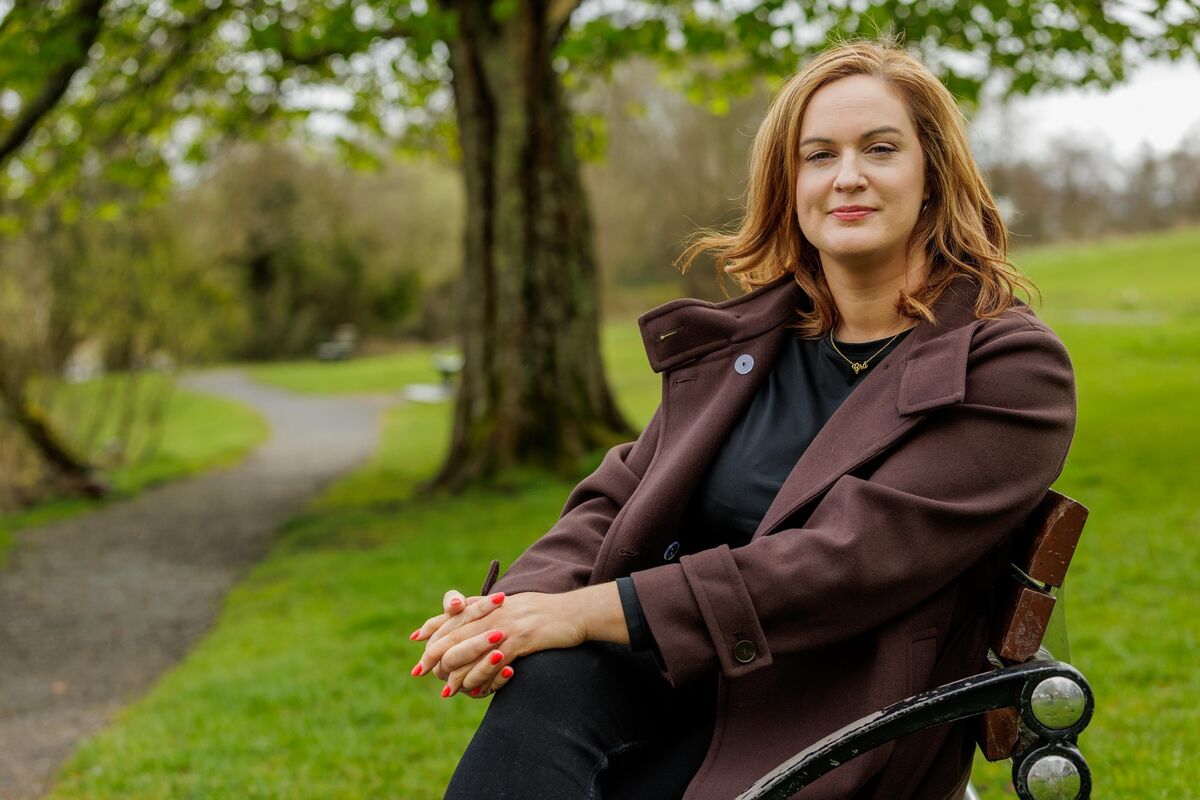
- Aolish Gormley is the founder of the Year of Care Campaign. Listen to Aolish on the Deirdre O'Shaughnessy podcast here

CONNECT WITH US TODAY



Be the first to know the latest news and updates